The Woven Edit: Pazzion's New Flats, Boots and Bags for the Season Ahead
The weave grew up
A weave usually turns up one category at a time, and almost always in the same slot: a bag for the holiday, a sandal for the beach, then back in the cupboard by the time the trip is over. This season it has arrived across flats, moccasins, heels, bags and, for the first time, an ankle boot. That last one is the giveaway. Nobody packs an ankle boot for Bali. Once the same technique shows up on a closed shoe you would wear to an office, the weave has stopped being a holiday cue and started being a texture you can use all year.
Shop the edit

-
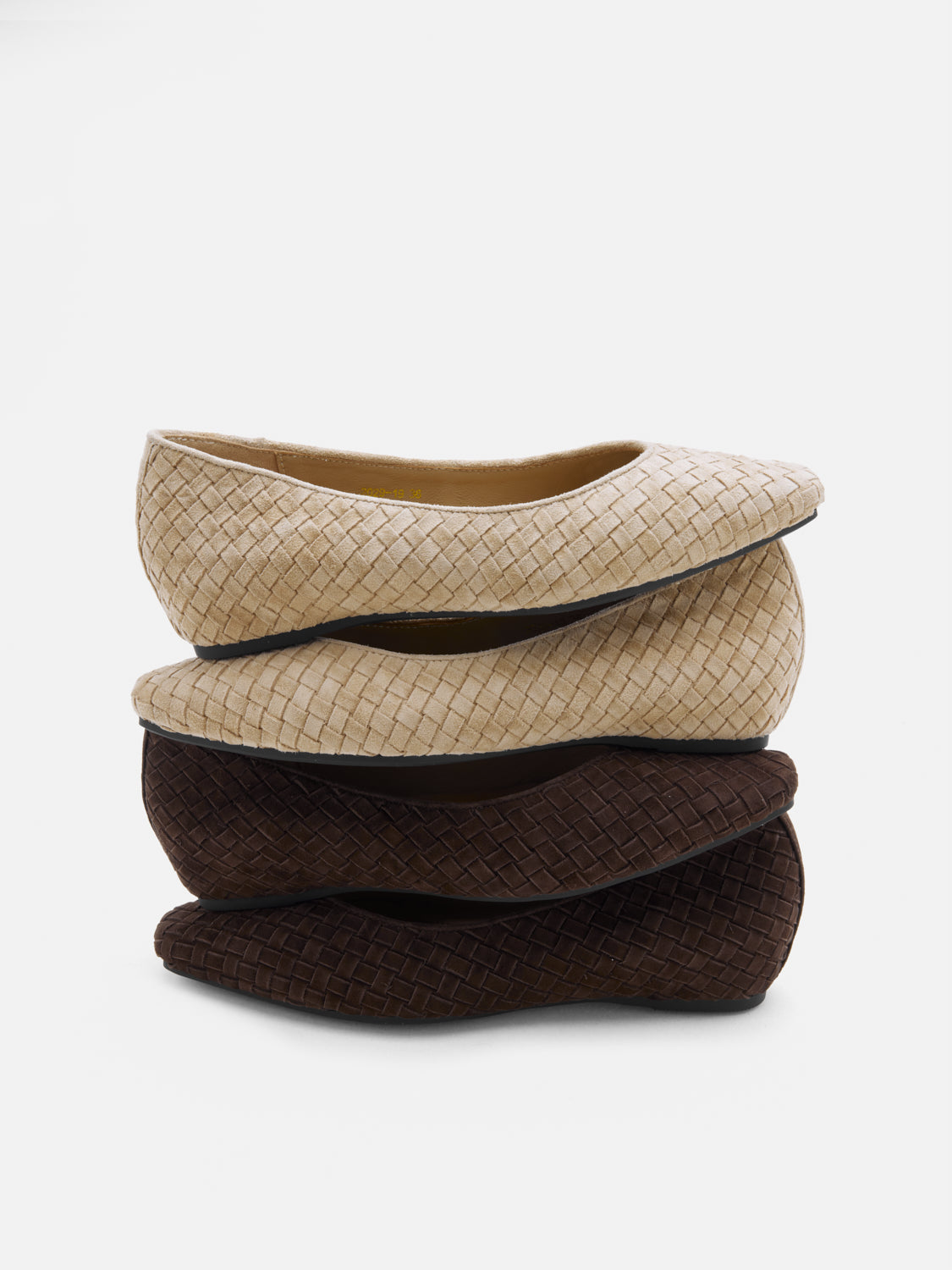
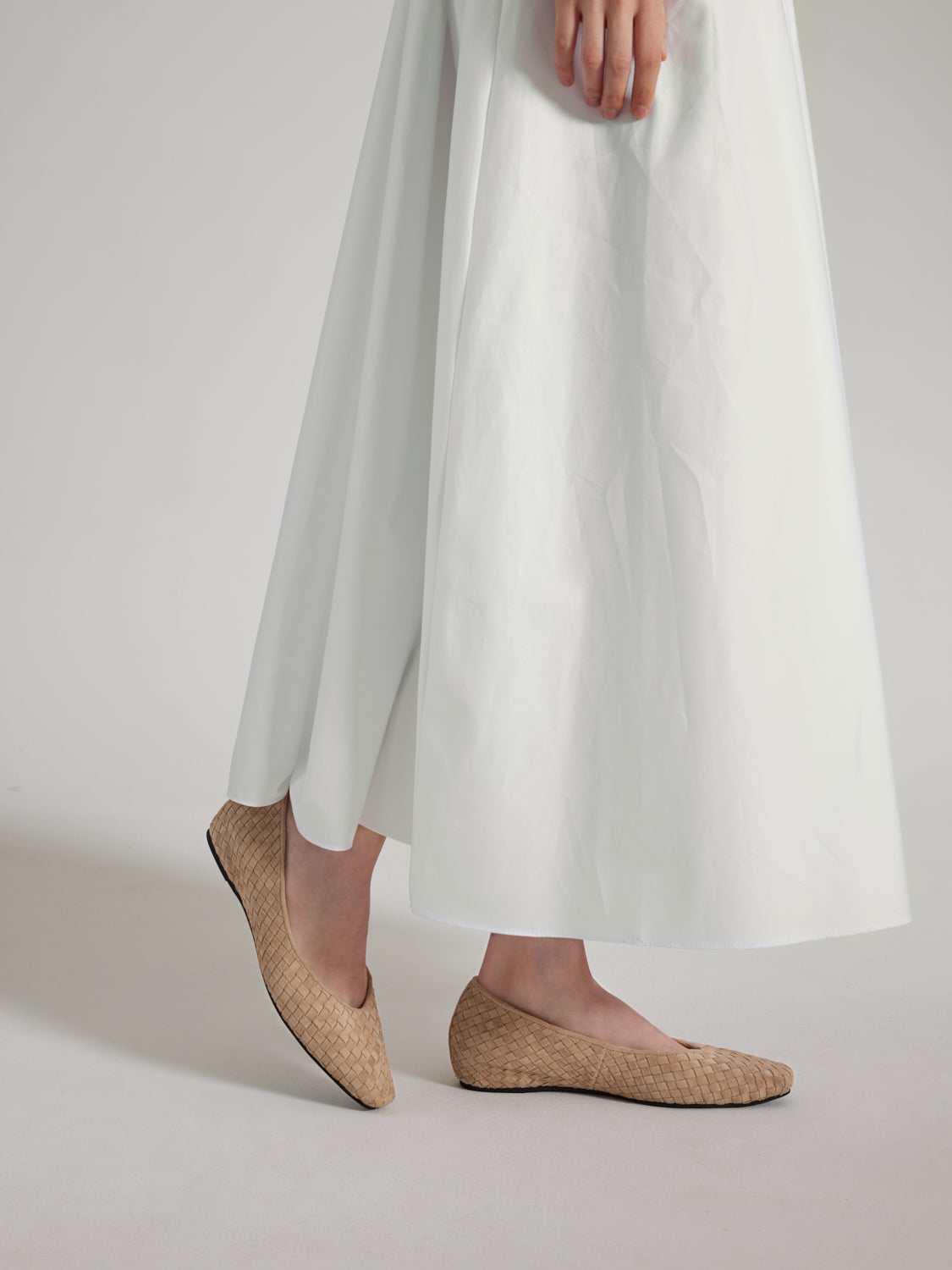
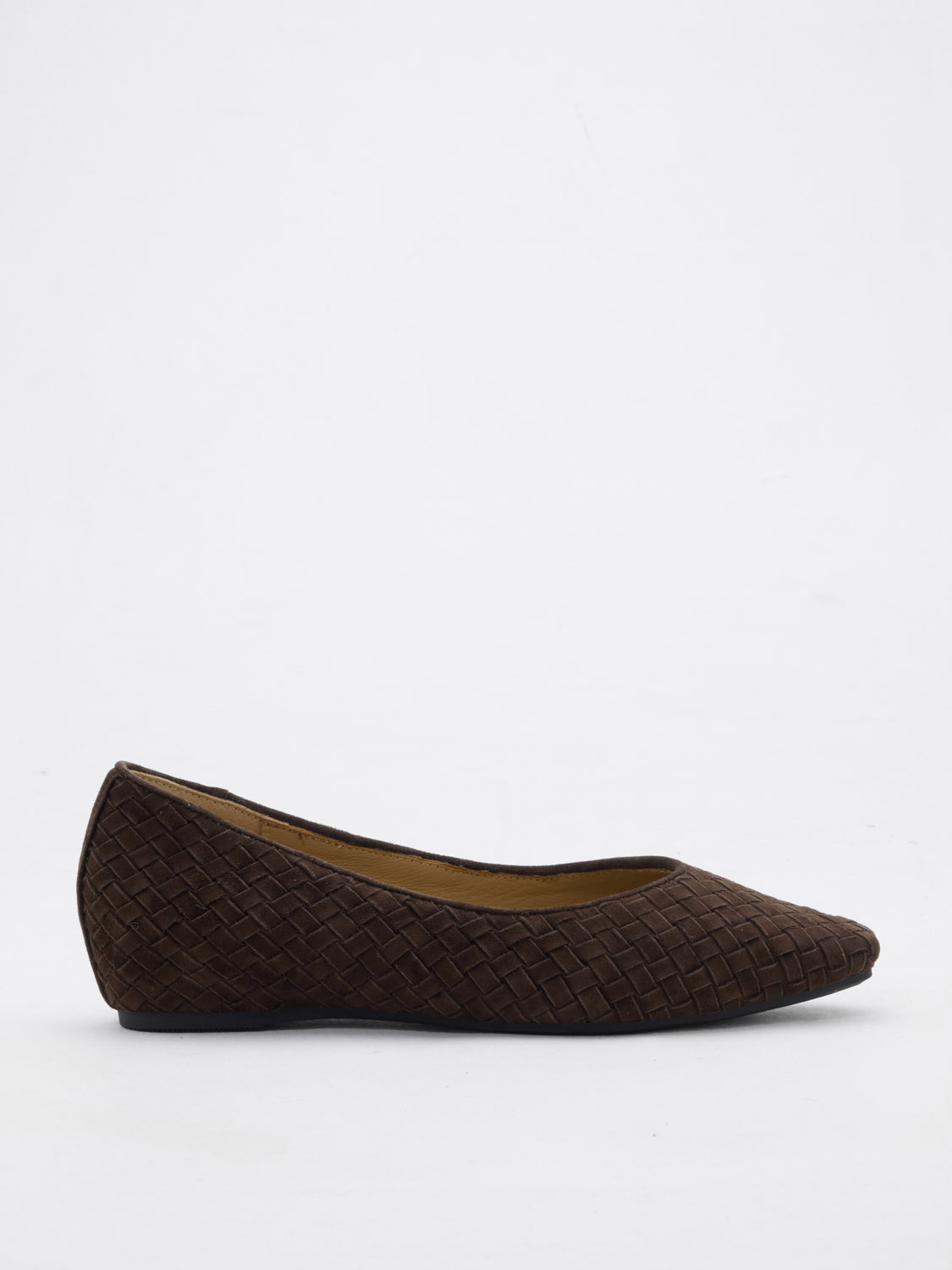
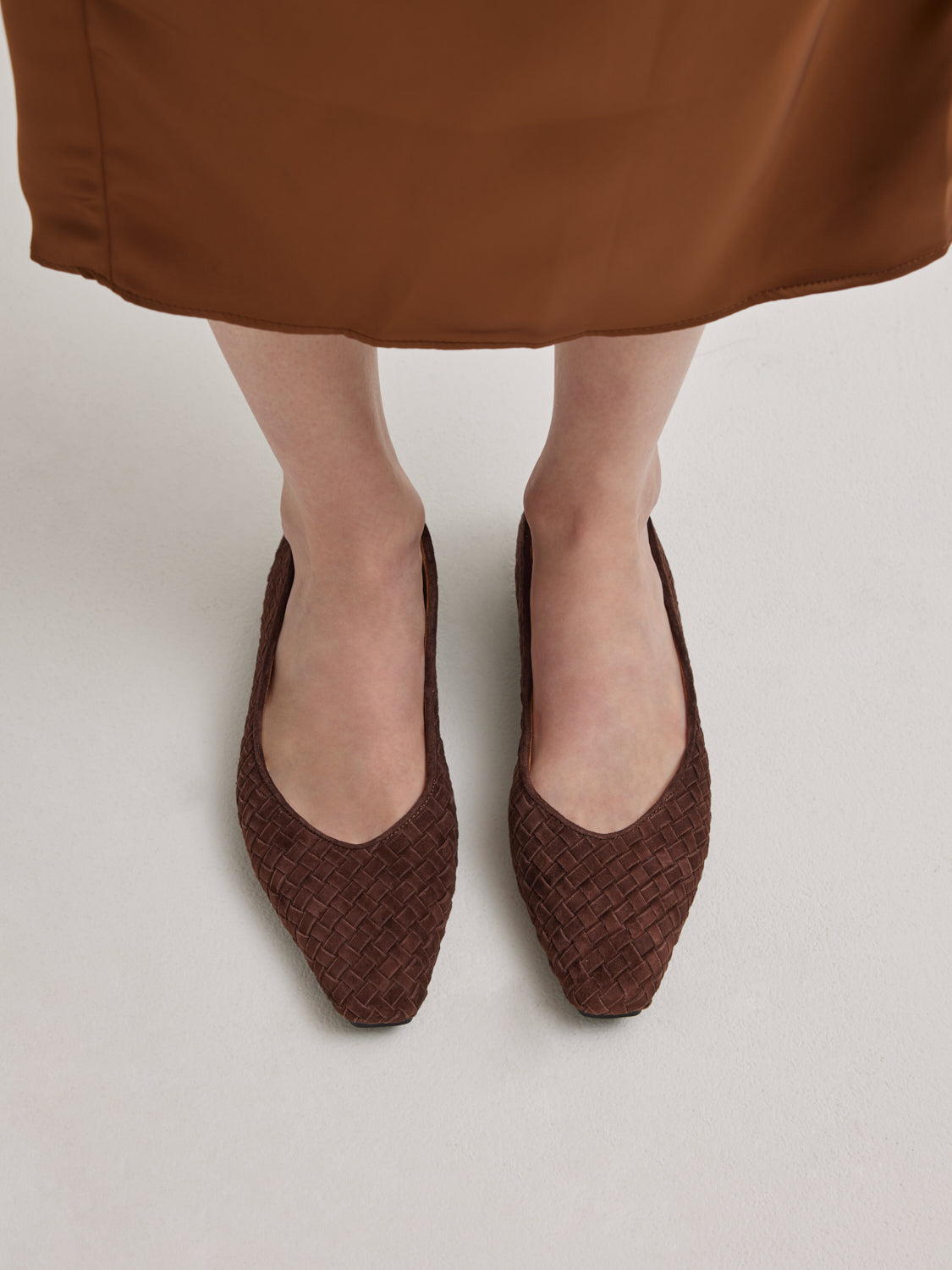
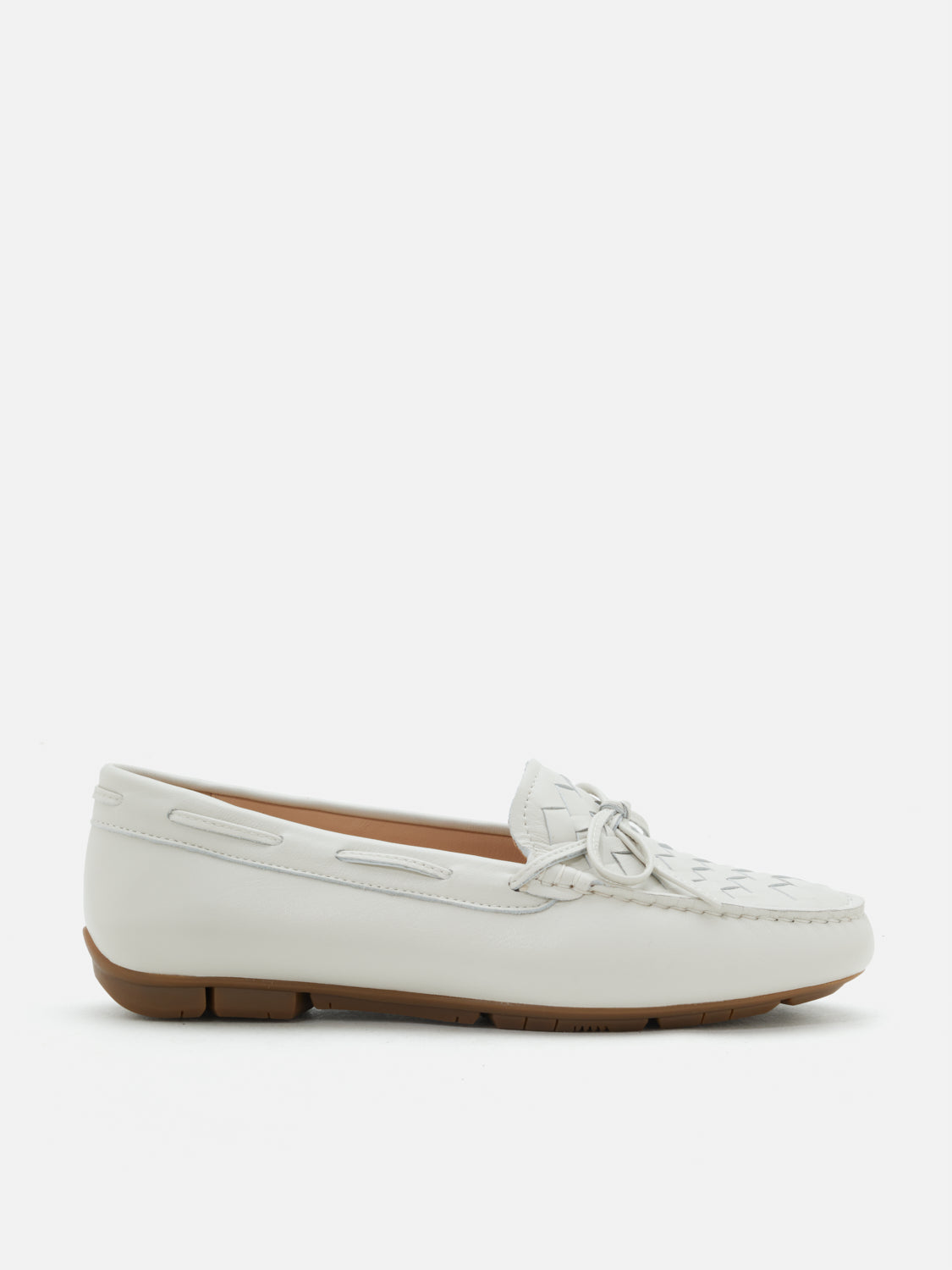
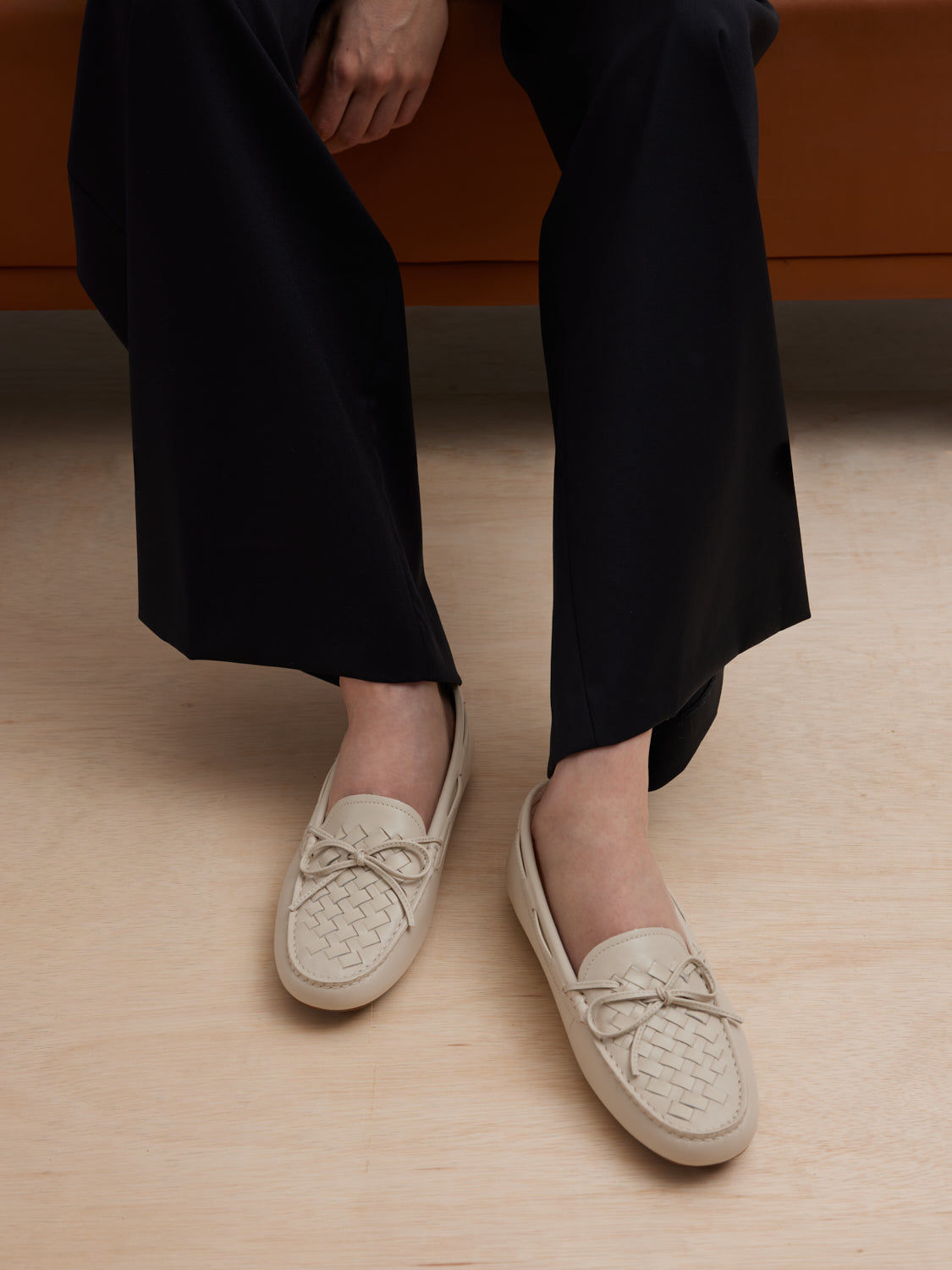
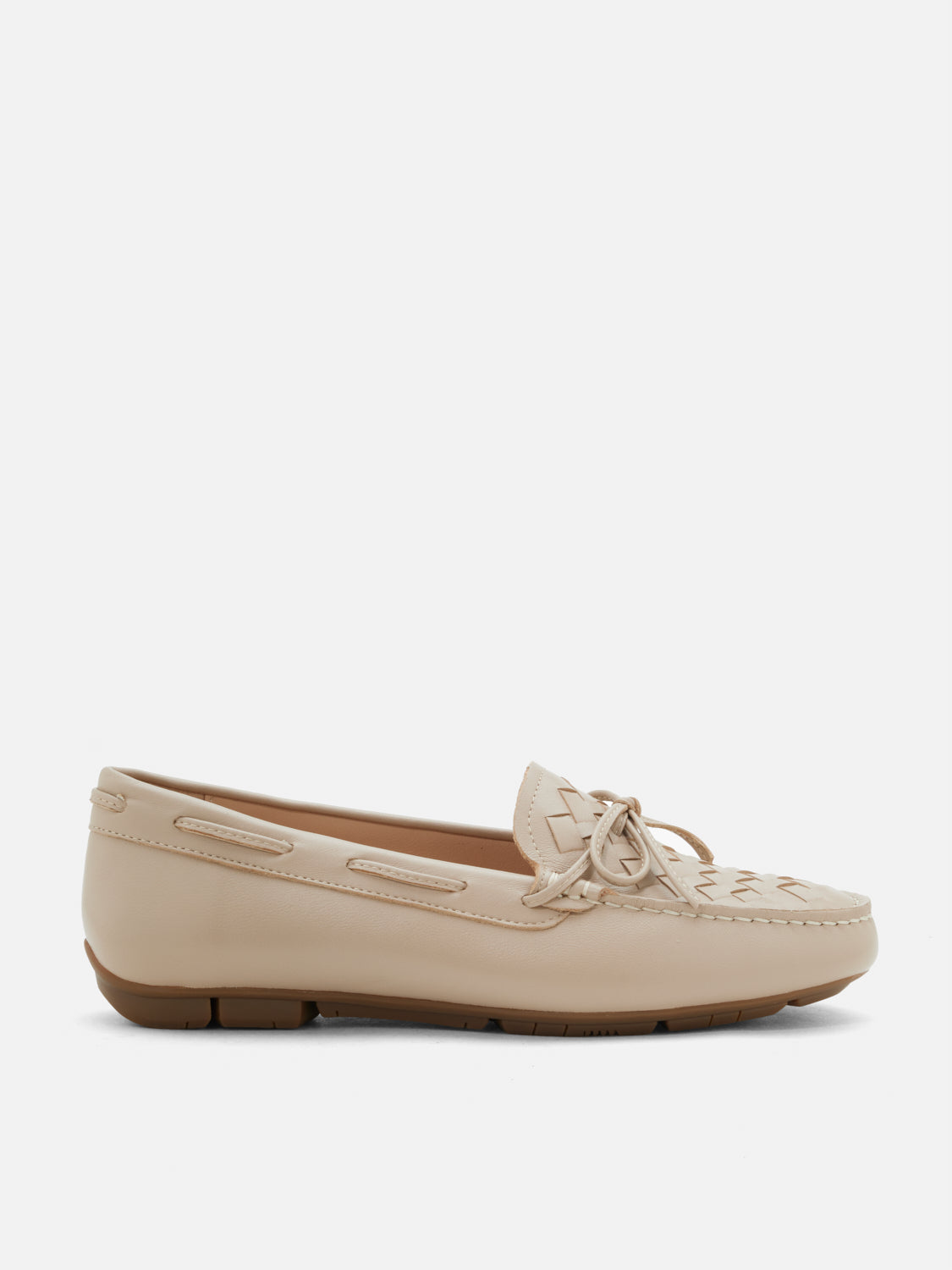
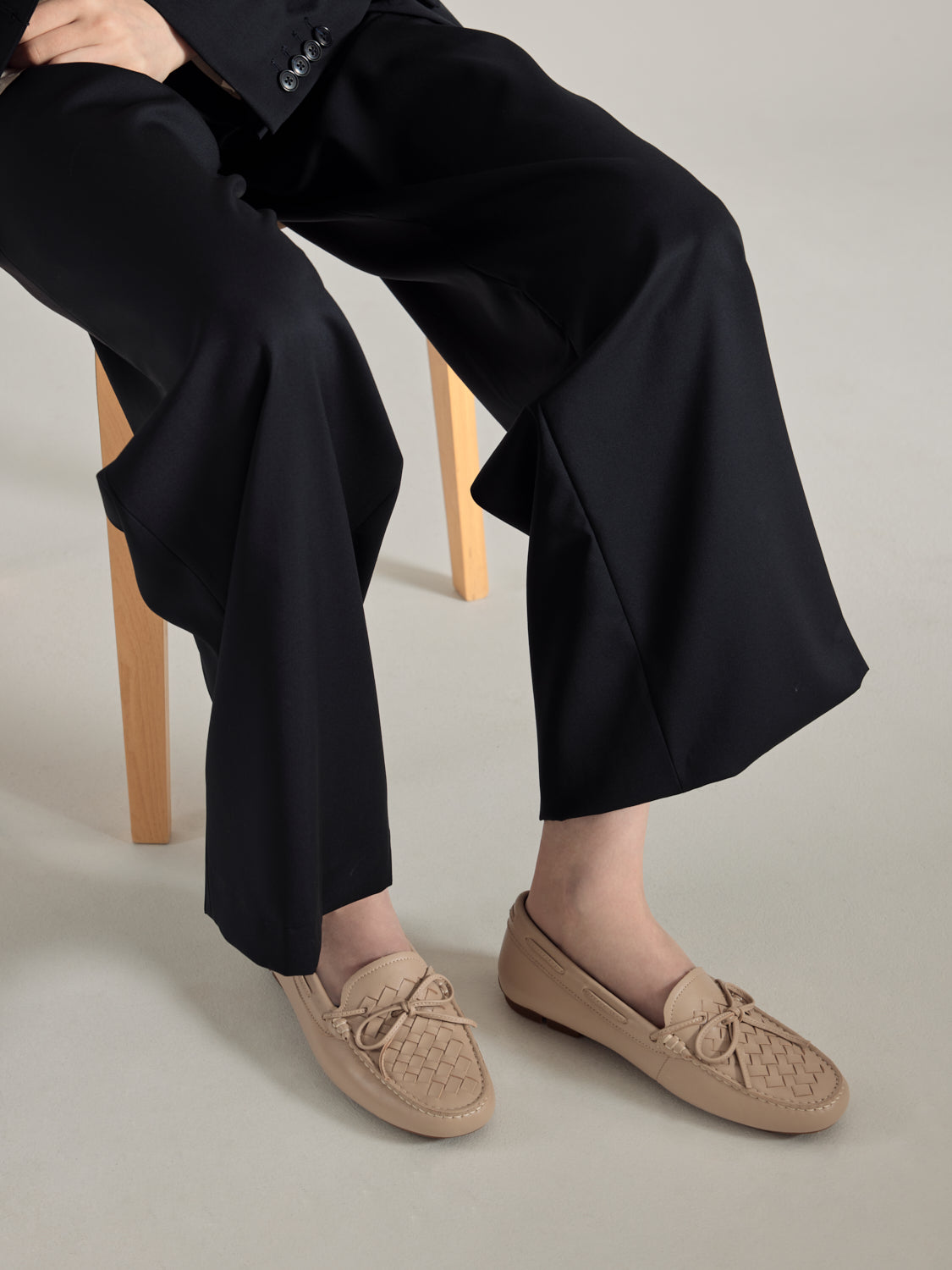
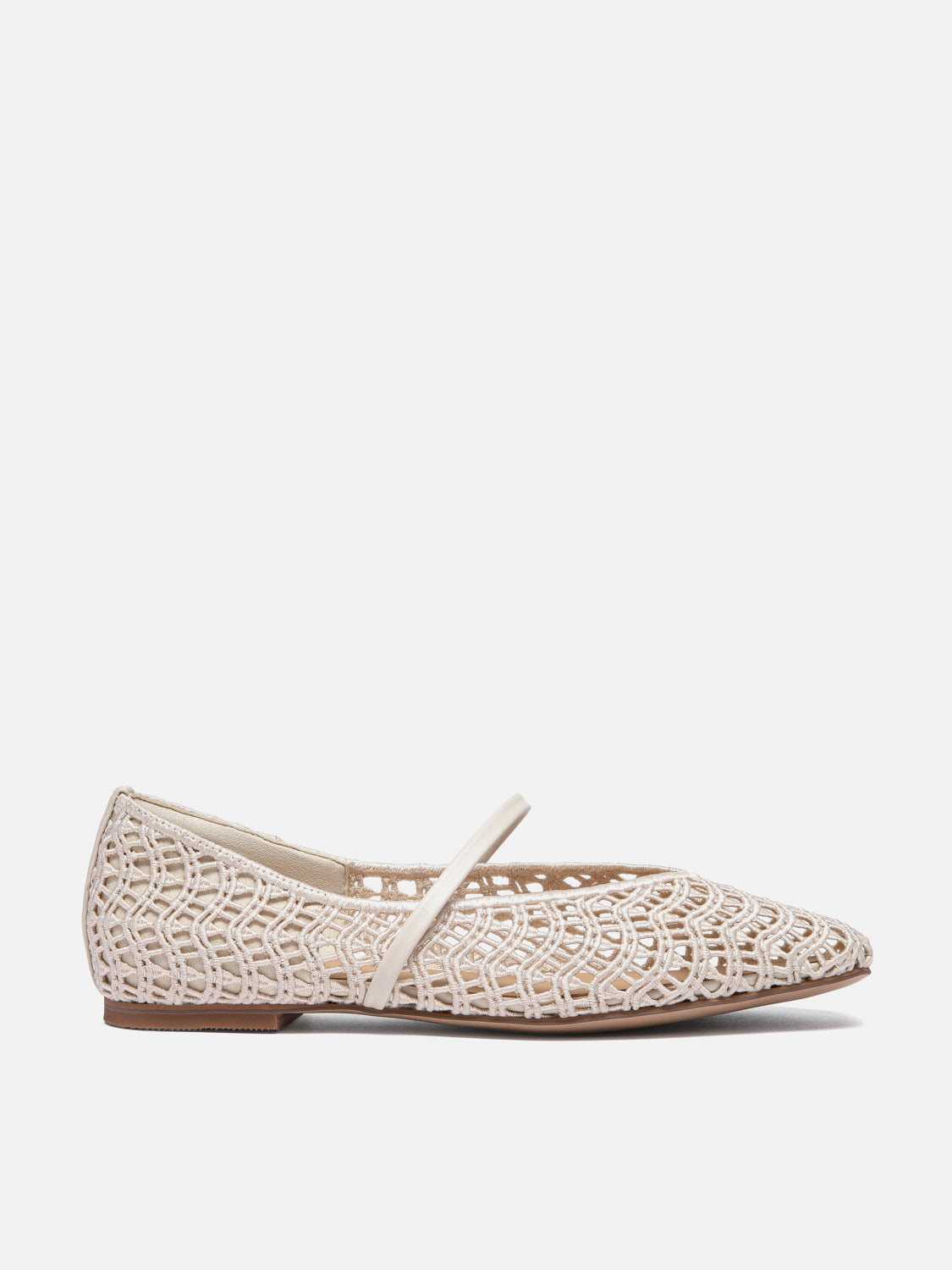
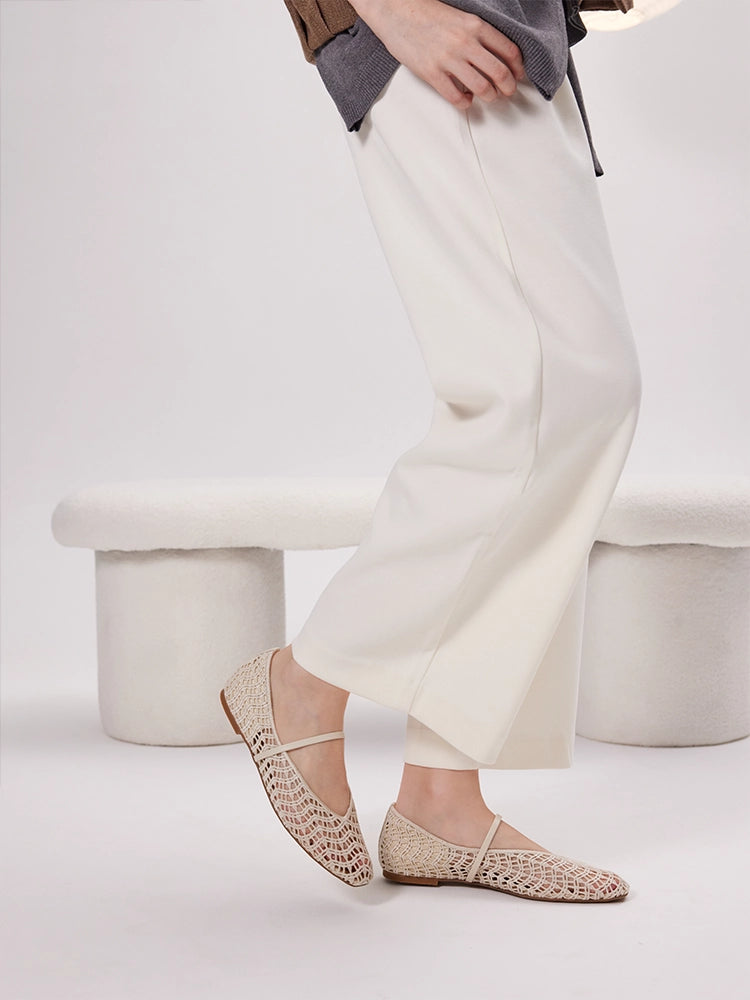
Wear: Geneva Woven Flats · lambskin worked into an all-over weave, in almond and dark brown
-
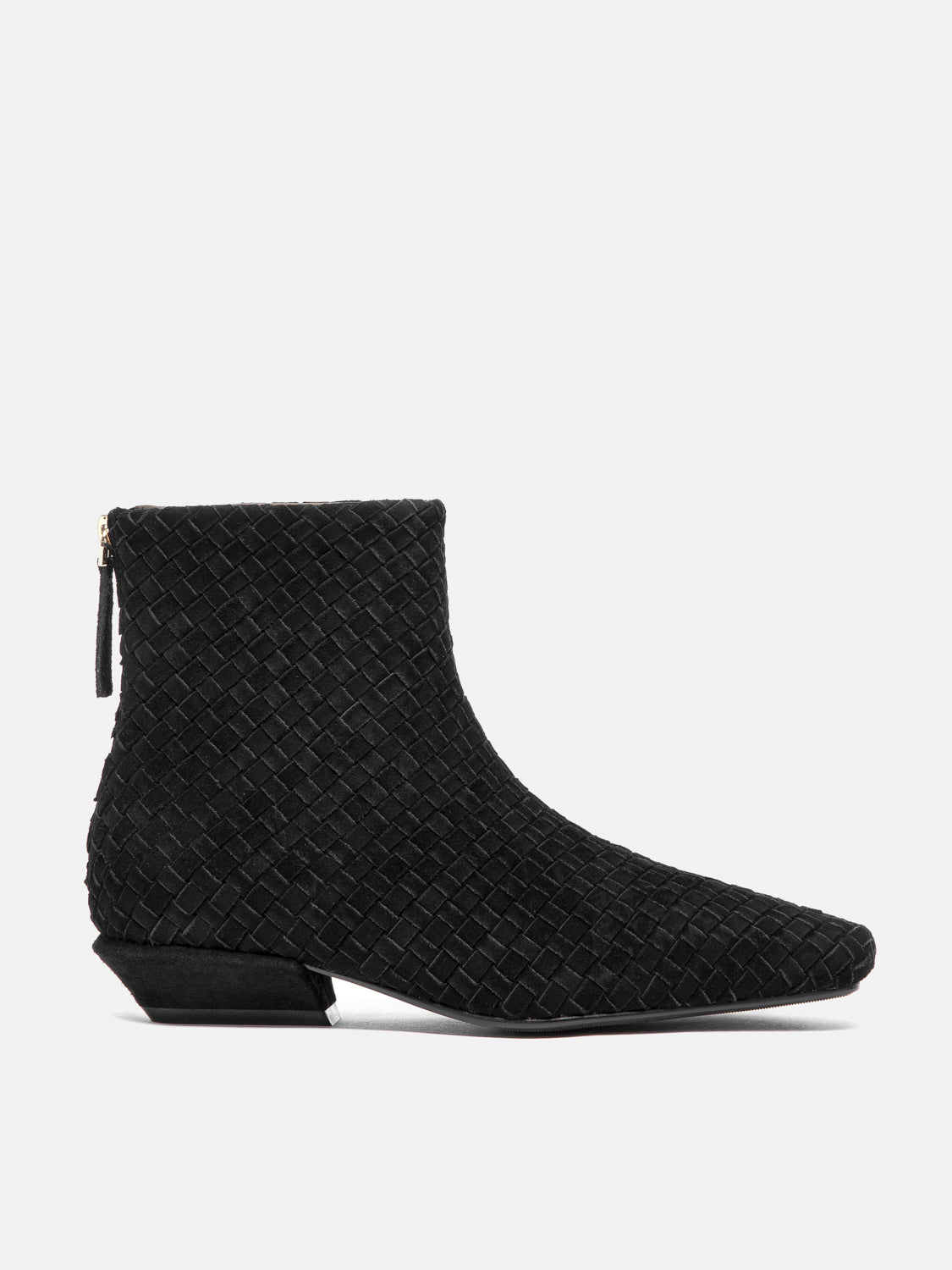
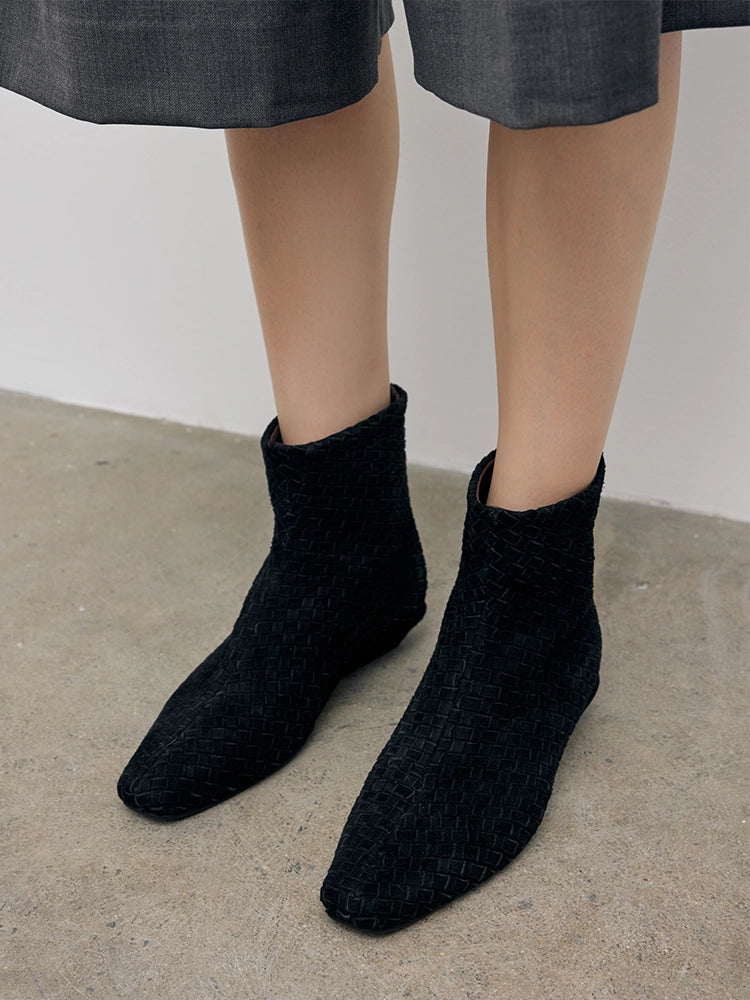
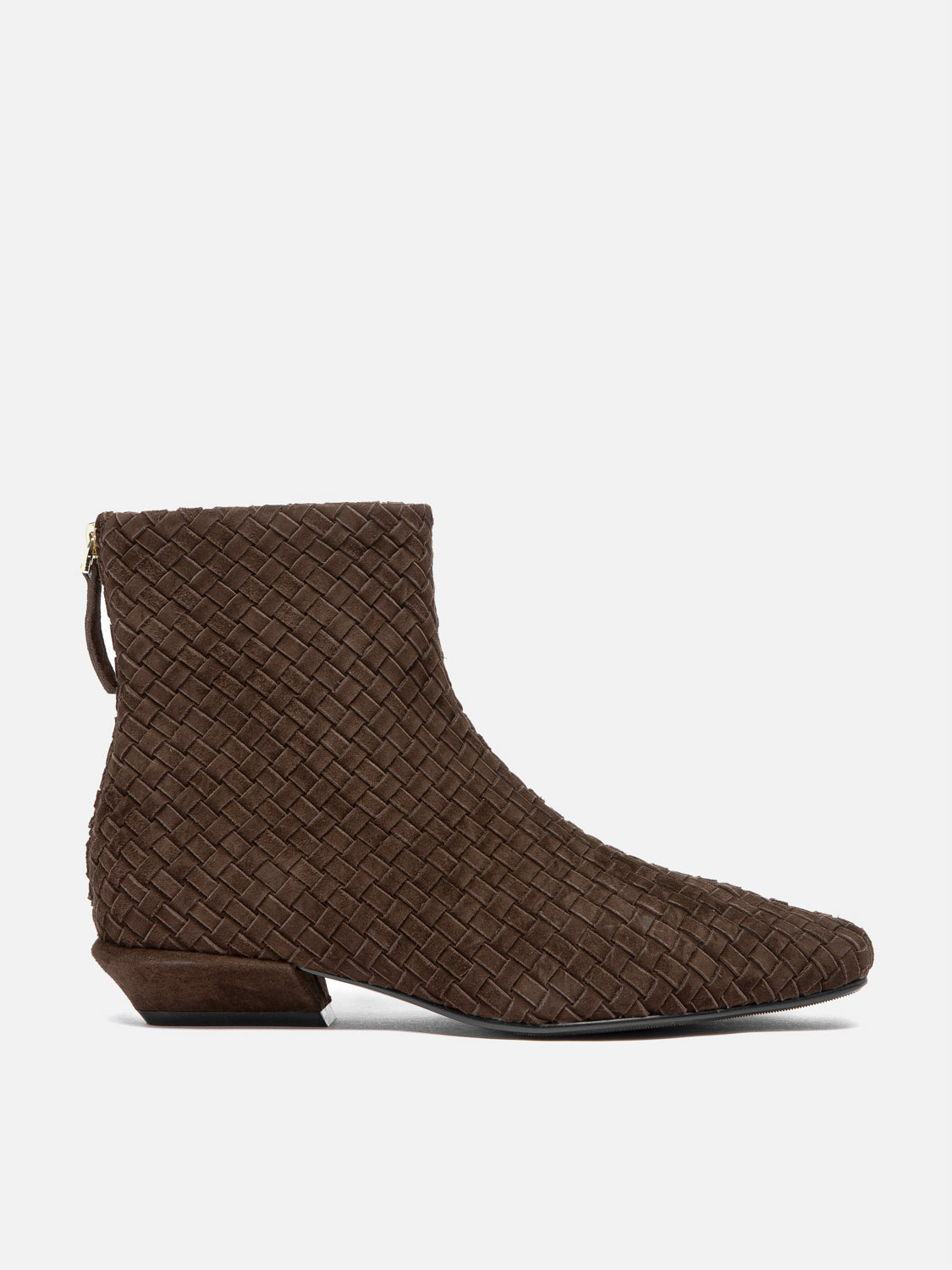
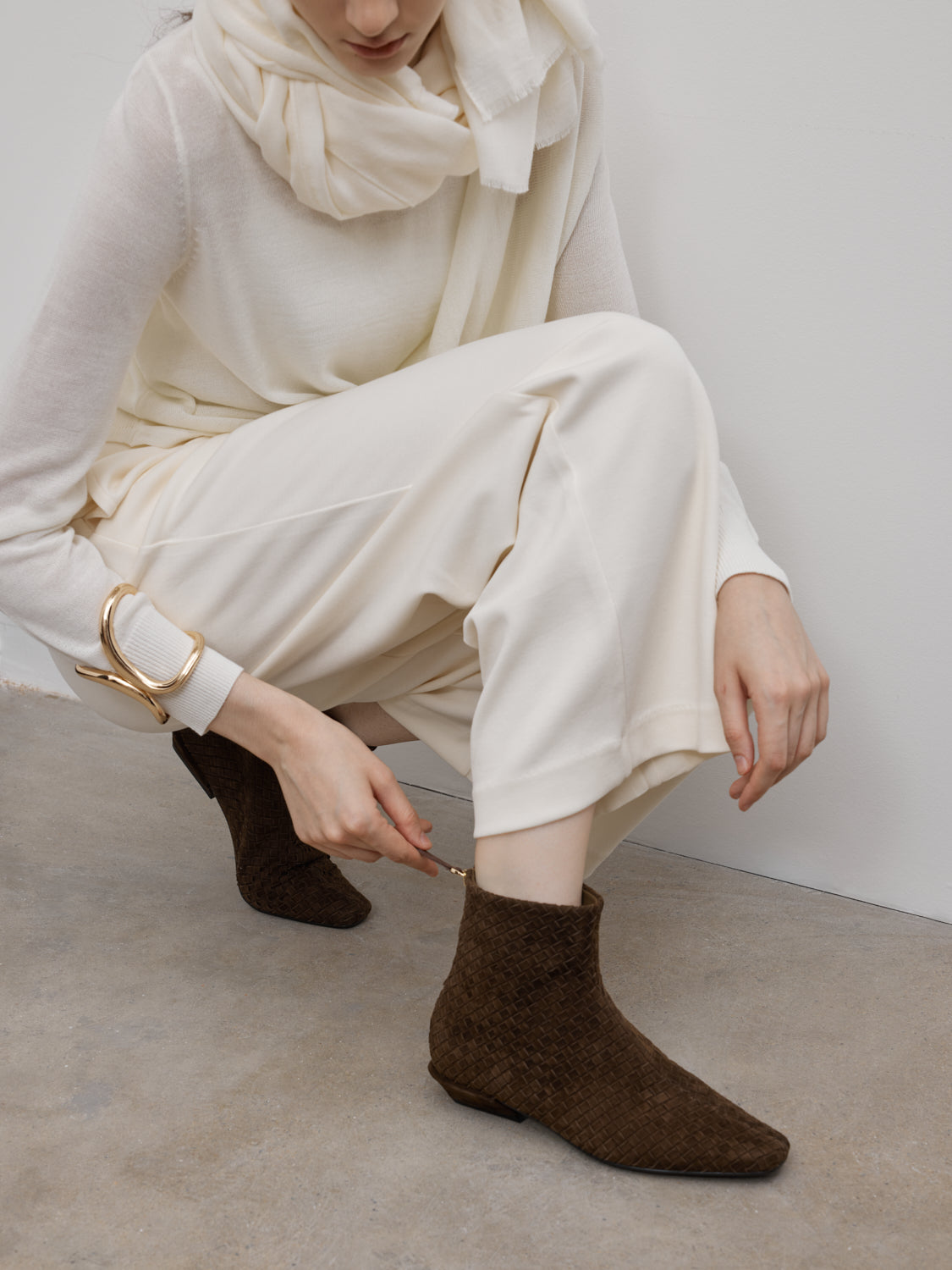
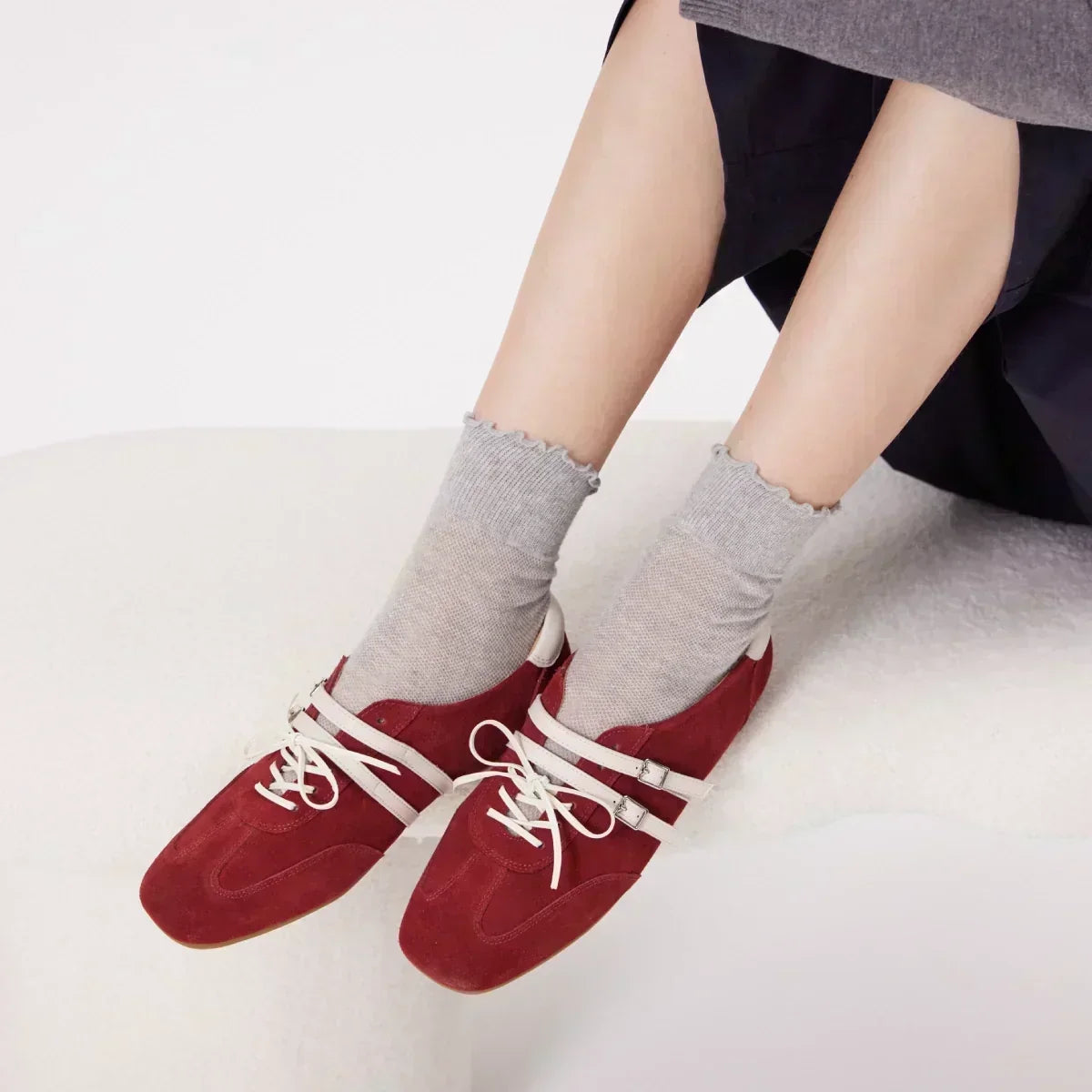
Wear: Jeanette Suede Ankle Boots · woven lamb suede on a 3cm heel, lined and insoled in lambskin
-
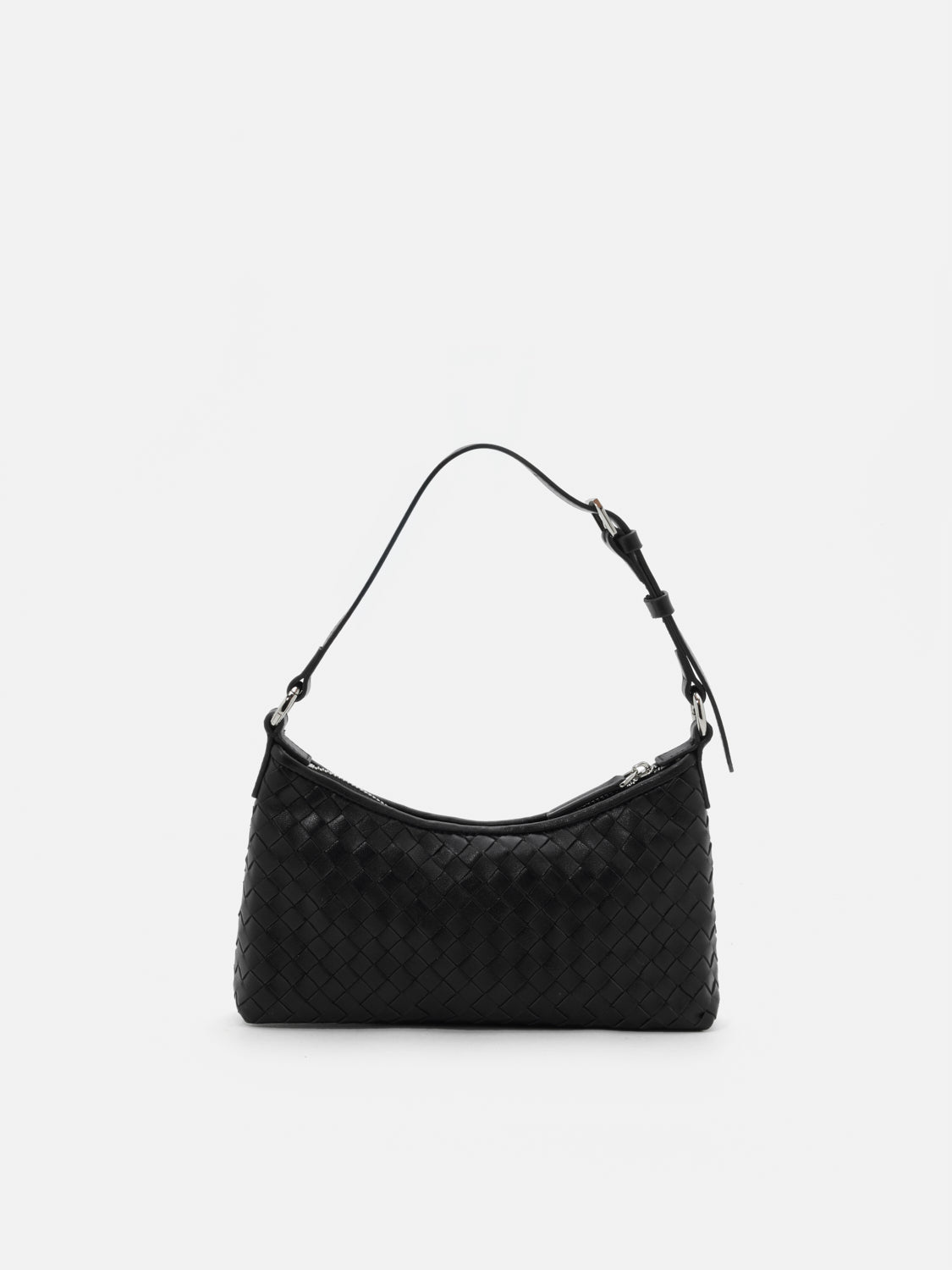
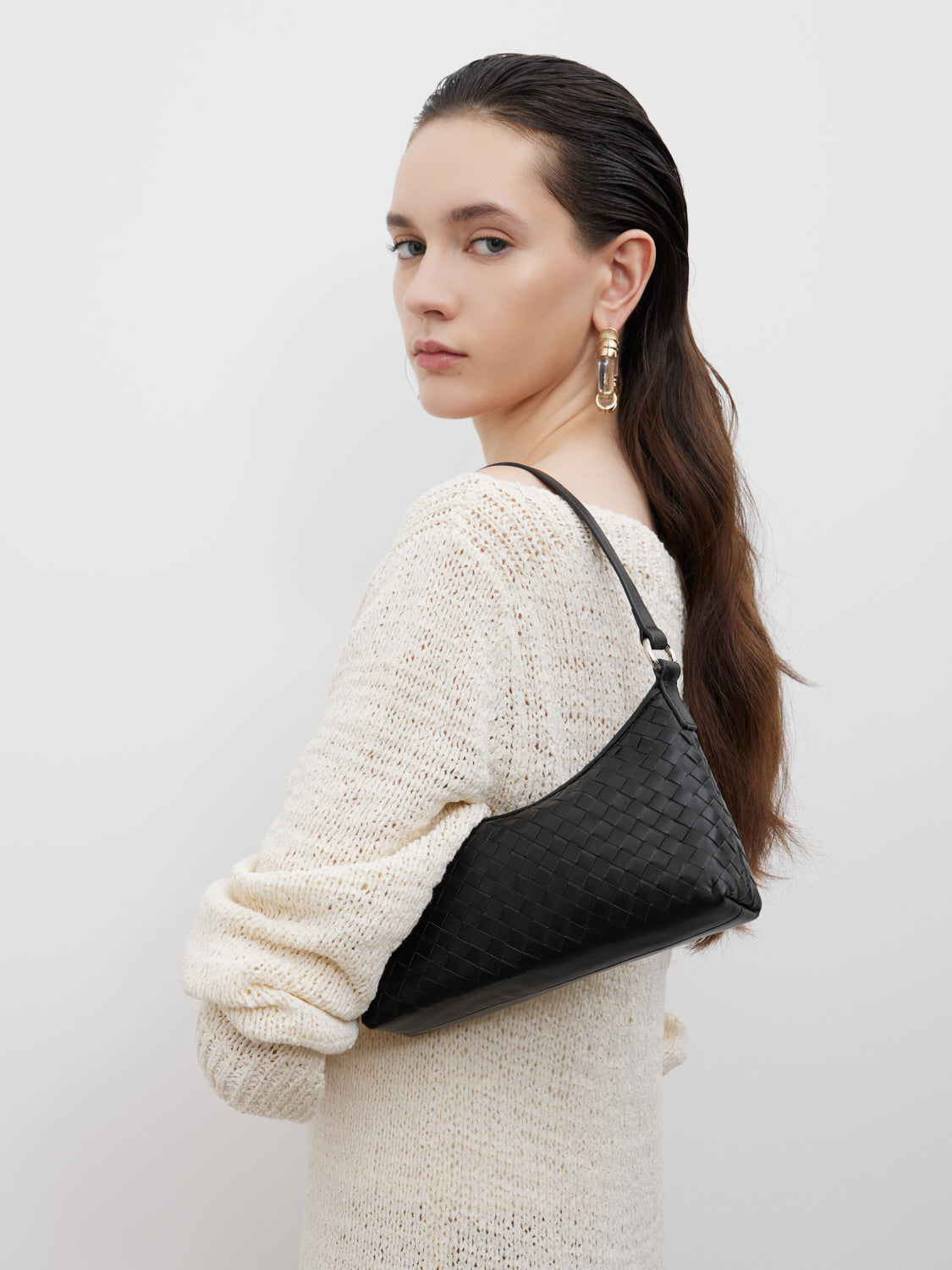
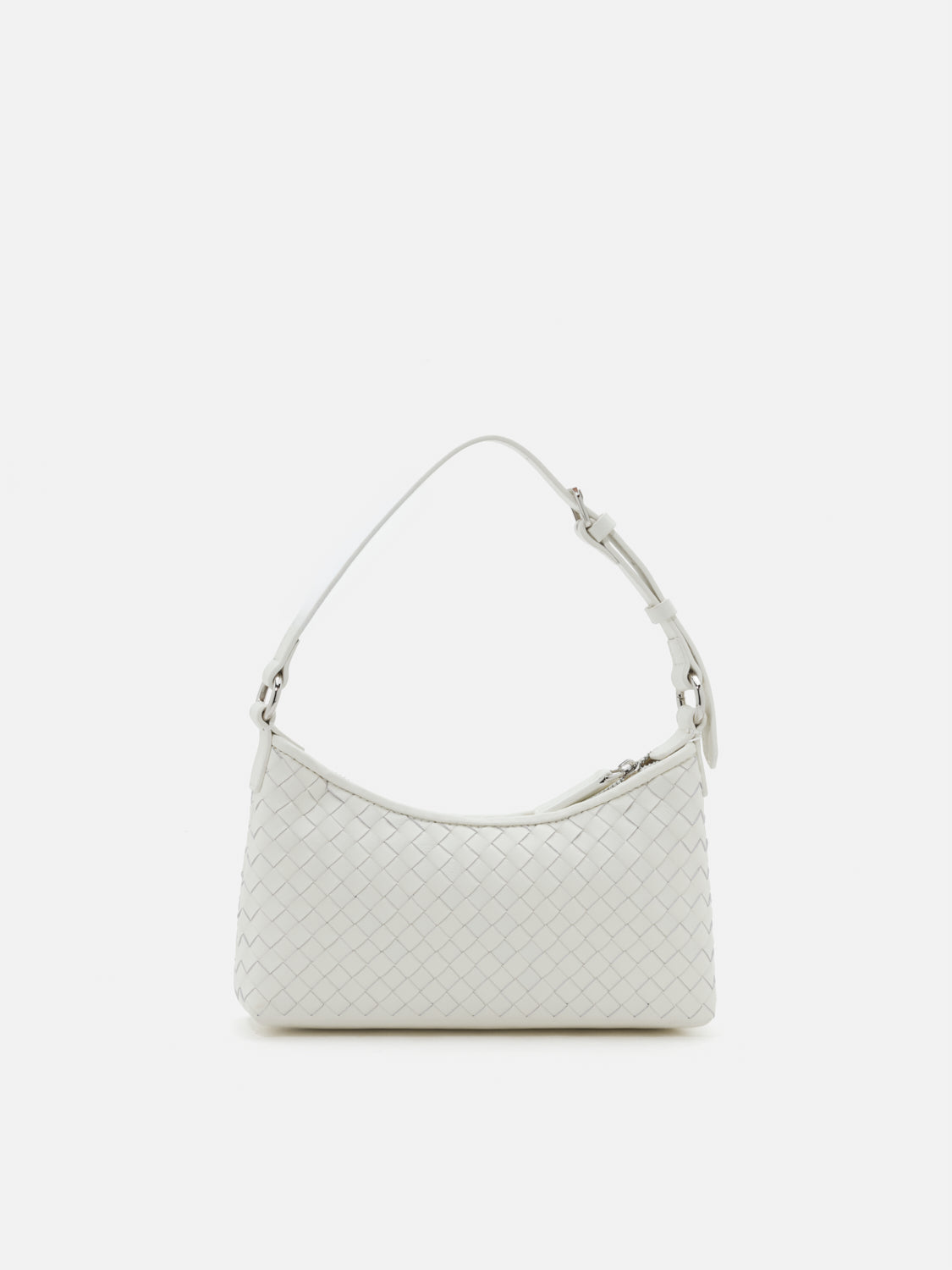
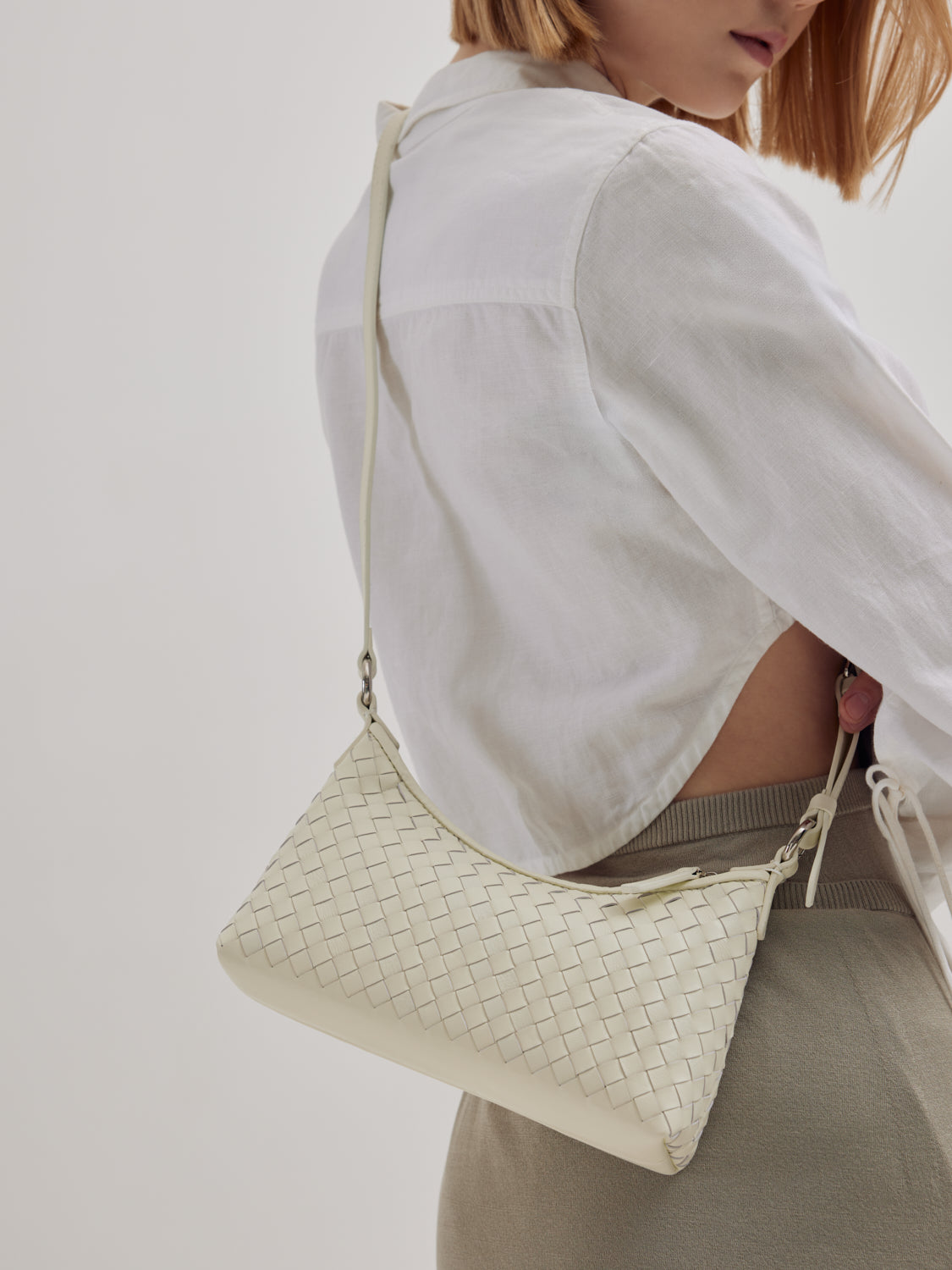
Wear: Halina Woven Leather Bag · cowhide leather shoulder bag in black or white, the cleanest of the new weaves
Raffia, woven leather, or woven microfiber?
Woven pieces get grouped together by how they look, which hides the fact that they behave very differently. Three materials cover most of what you will find, and each is doing a different job.
Woven leather is leather cut into strips and plaited, so it keeps everything leather already does. It softens with wear, takes a conditioner, and holds its shape rather than collapsing when the bag is empty. It is also the heaviest of the three, which is exactly why a woven leather bag or shoe is built to last several seasons rather than one summer.
Raffia is a fibre, plaited rather than cut, which makes it lighter and more open in texture than a leather weave, and makes a raffia bag noticeably lighter to carry over a full day. Pazzion uses it in one place, the Fleur Raffia Leather Chained Crossbody Bag, and blends it with cowhide leather rather than building the whole bag from it. That blend is deliberate: the raffia gives the texture, and the leather gives the structure and the wear resistance that an all-raffia bag would not have on a daily commute.
Woven microfiber holds a fine, even pattern and a consistent colour better than either of the other two, because it is engineered rather than cut from a hide. That is why it turns up on the dressier styles, where a crystal trim or a metallic finish needs the weave underneath it to stay uniform. It asks for less maintenance than leather and gives you a sharper pattern in return.
None of these is the upgrade of another. If you want a piece that ages, choose leather. If you want lightness and a visible texture, raffia. If you want a precise pattern for an evening shoe, microfiber. You can see all three side by side in the woven bags edit.
Wearing a weave when you are not on holiday
The reason a weave gets filed under travel is the sandal. Open woven sandals genuinely read as holiday shoes, and they drag the whole material into that category with them. A closed shape has more room to move, and the ankle boots are where that shows up clearest: nobody packs a boot for a beach holiday, woven or not.
Woven flats in a neutral like almond or dark brown sit under tailored trousers the way any leather flat does, with the weave adding its own quiet texture instead of a single smooth panel. They are the easiest way into the material if you have never worn one, doing the work of a pattern without asking you to commit to an actual print.
The woven boots carry that argument the furthest. A 3cm heel and a closed suede upper is a proper autumn shoe elsewhere in the world, and in Singapore it is a strong aircon-office and travel shoe: enough coverage for a cold meeting room, not so much that it becomes unwearable in the taxi queue. The weave keeps it from looking heavy, which is usually what makes a boot feel wrong here.
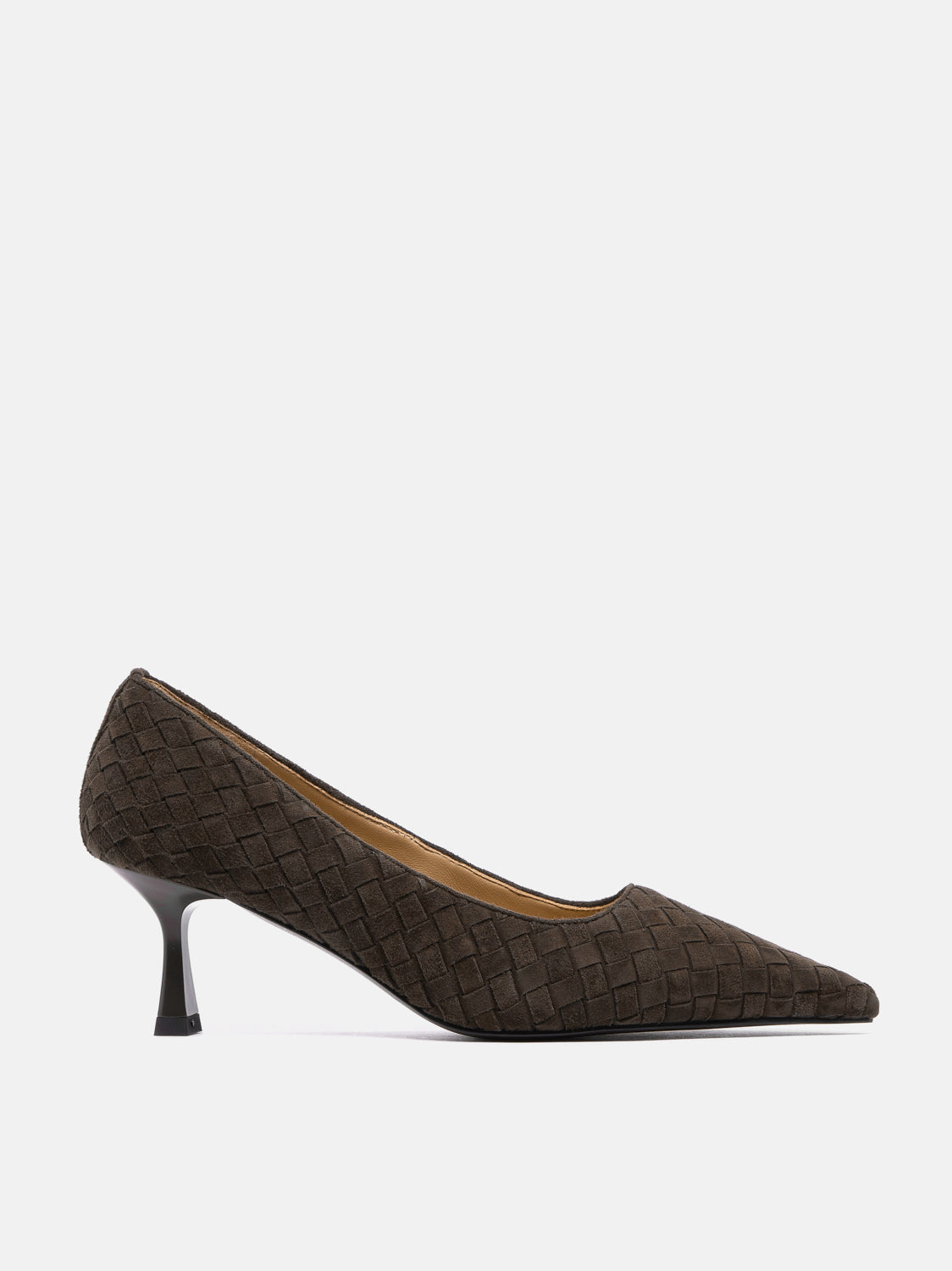
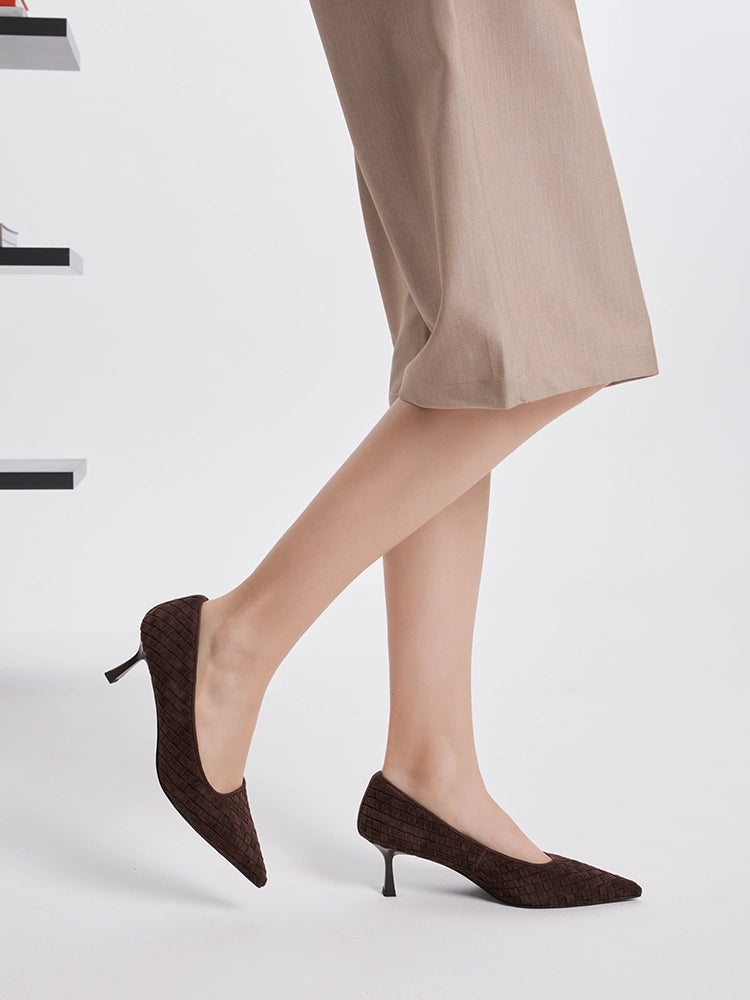
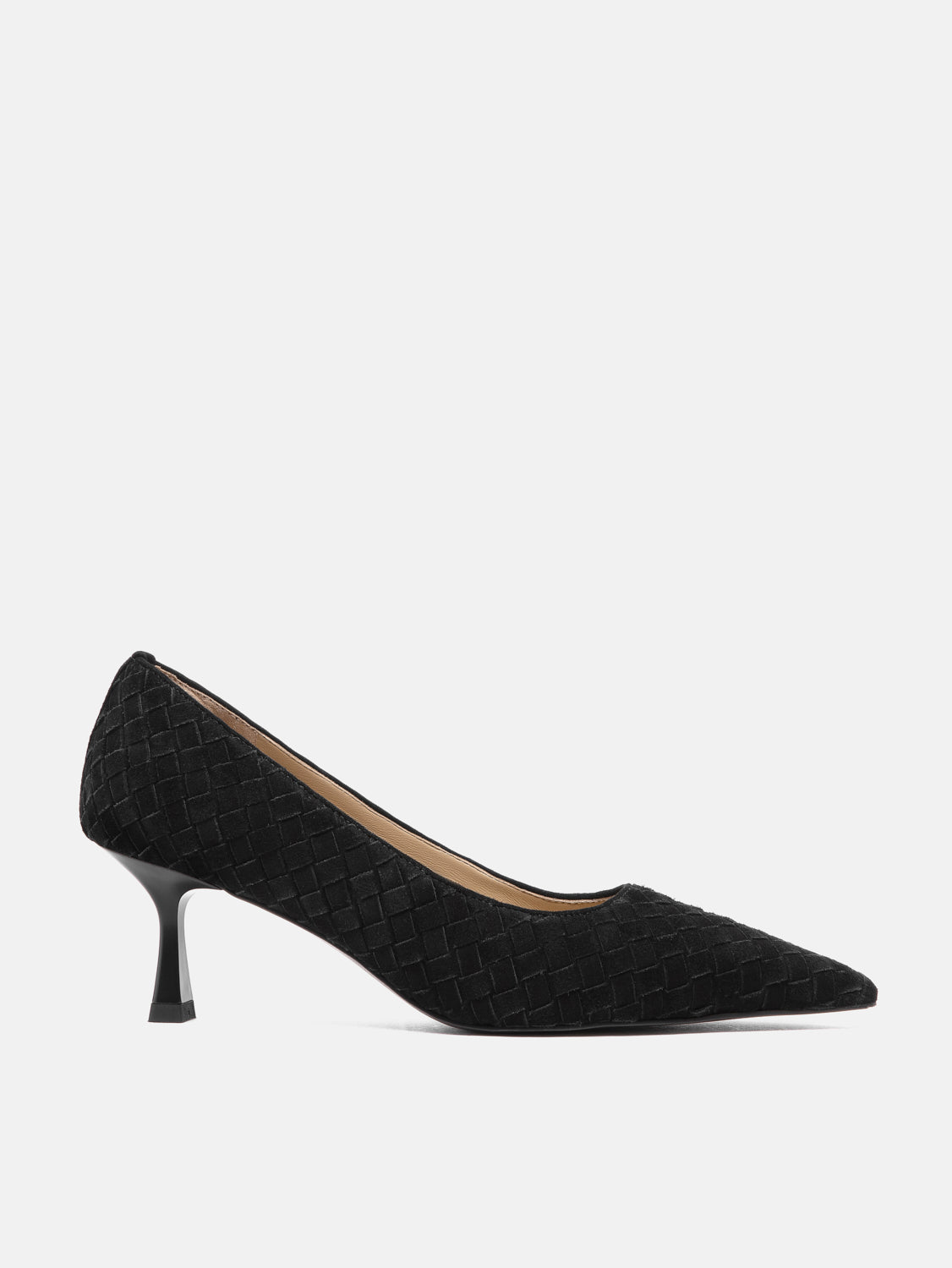
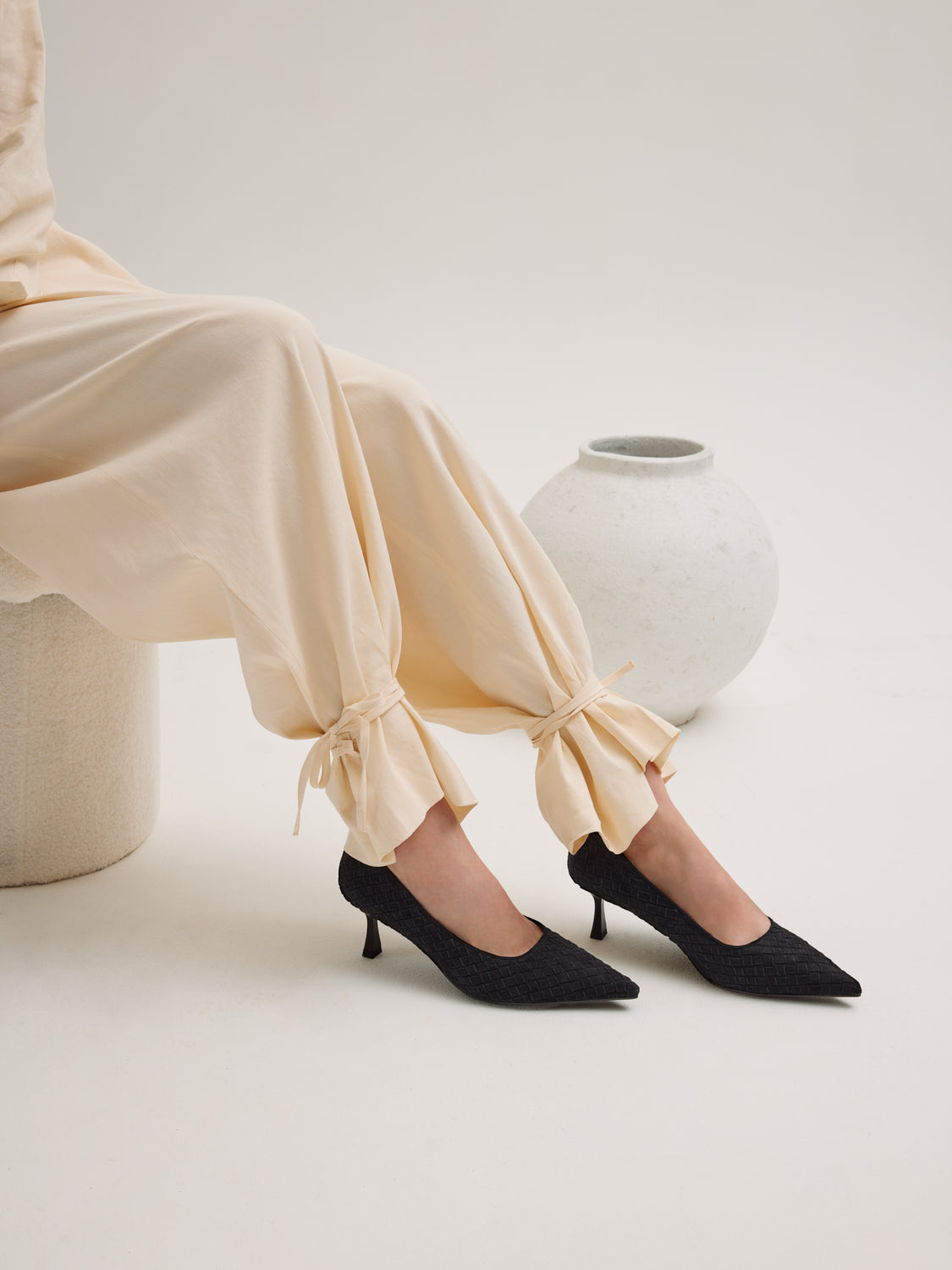
For anything dressier, a woven heel carries the same lift as an embellished one, minus the shine, for a room that calls for a touch more than the everyday pair.
A weave with a weave
The question that comes up as soon as you own more than one piece is whether a woven shoe and a woven bag can be worn together. They can, with one rule: keep the two weaves at different scales, or keep the colours close.
A fine, tight weave on a flat sits comfortably with a looser, more open weave on a bag, because your eye reads them as two textures rather than a repeat. Two identical weaves in two different colours is the combination that starts to look like a set. If both pieces have the same weave, put them in the same colour family and let them read as deliberate.
The safer version, and the one that works for most people, is one woven piece and one plain. A woven sandal with a smooth leather tote, or a woven tote bag with plain flats, gives you the texture without the outfit having to be about it. For the full range of bag shapes and which occasion each one suits, our guide to the best woven bags for work, weekends and travel goes through them properly. The woven shoes edit is the other half of the same wardrobe.
Keeping a weave in good shape here
A weave has more surface than a flat leather panel and more places for things to settle, and Singapore's humidity makes both of those matter more than they would somewhere drier.
Dust collects in the interlace (the gaps between the plaited strips) rather than sitting on top where a cloth would catch it. A dry, soft brush along the direction of the weave lifts it out. Wiping across the weave pushes it further in, which is the opposite of what you want.
Moisture is the more serious one. A weave holds damp in the gaps between the strips long after the surface feels dry to the touch, and that is where mould gets its start in a closed cupboard. Let a piece dry fully in open air before it goes away, and give woven pieces more room on the shelf than you would give a plain bag, since air moving around them is what keeps the gaps dry.
A mark that has already worked into the weave is the one job a cloth cannot do, because a cloth only ever reaches the top of the strips. Work at it dry first with a soft brush, then with a barely damp cloth pressed into the gap rather than dragged across it, and let each pass dry before deciding whether it needs another. The mistake to avoid is soaking it. Water sits in the gaps of a weave far longer than it would on a flat panel, and you can finish with a water mark wider than the one you set out to remove.
Beyond that, treat the piece as whatever it is made of. Woven leather takes a leather conditioner every few wears, worked in with a soft cloth. Woven suede wants a suede brush and no water at all. Both are in the shoe care collection, and our guide to suede and leather care covers the full routine for each.
Shop the collection
The new arrivals sit across both halves of the woven collection. Start with the woven shoes for the flats, boots and heels, or the woven bags if the texture is easier to try in an accessory first.
Shop The Look