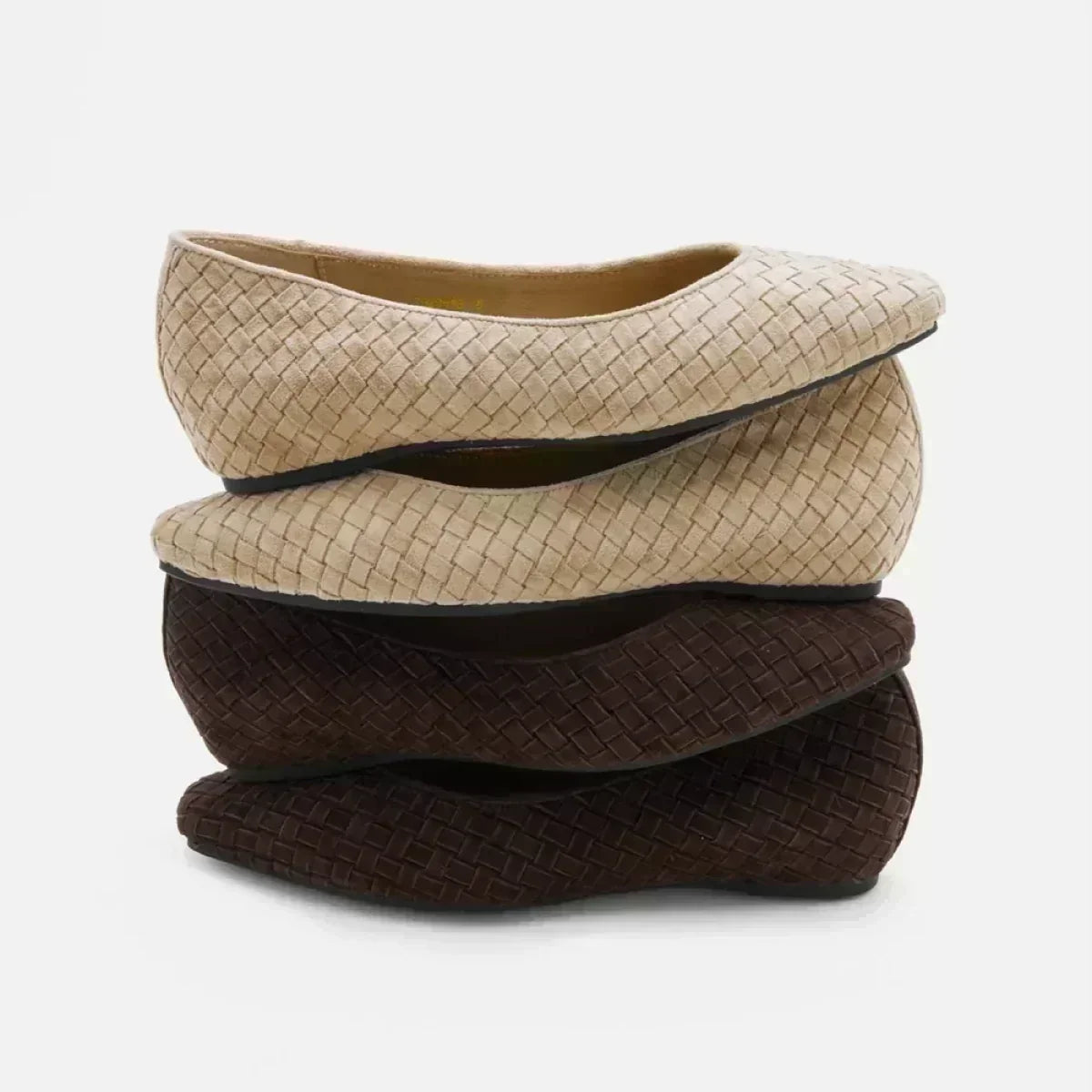
Ballerina Sneakers, Reinvented: Why Sneakerinas Are Pazzion's Most Comfortable Flats Yet
A sneakerina isn't two shoes glued together
Ballerina sneakers get treated like a compromise: not quite a trainer, not quite a flat, a bit of both stitched onto one sole. That undersells what's actually going on. A sneakerina is built with a specific job in mind, sneaker-level ease and flex without the bulk or the heat of a closed trainer, and once you see it that way, the appeal stops being about the look and starts being about how the shoe actually feels by hour six.
Shop the edit 
-
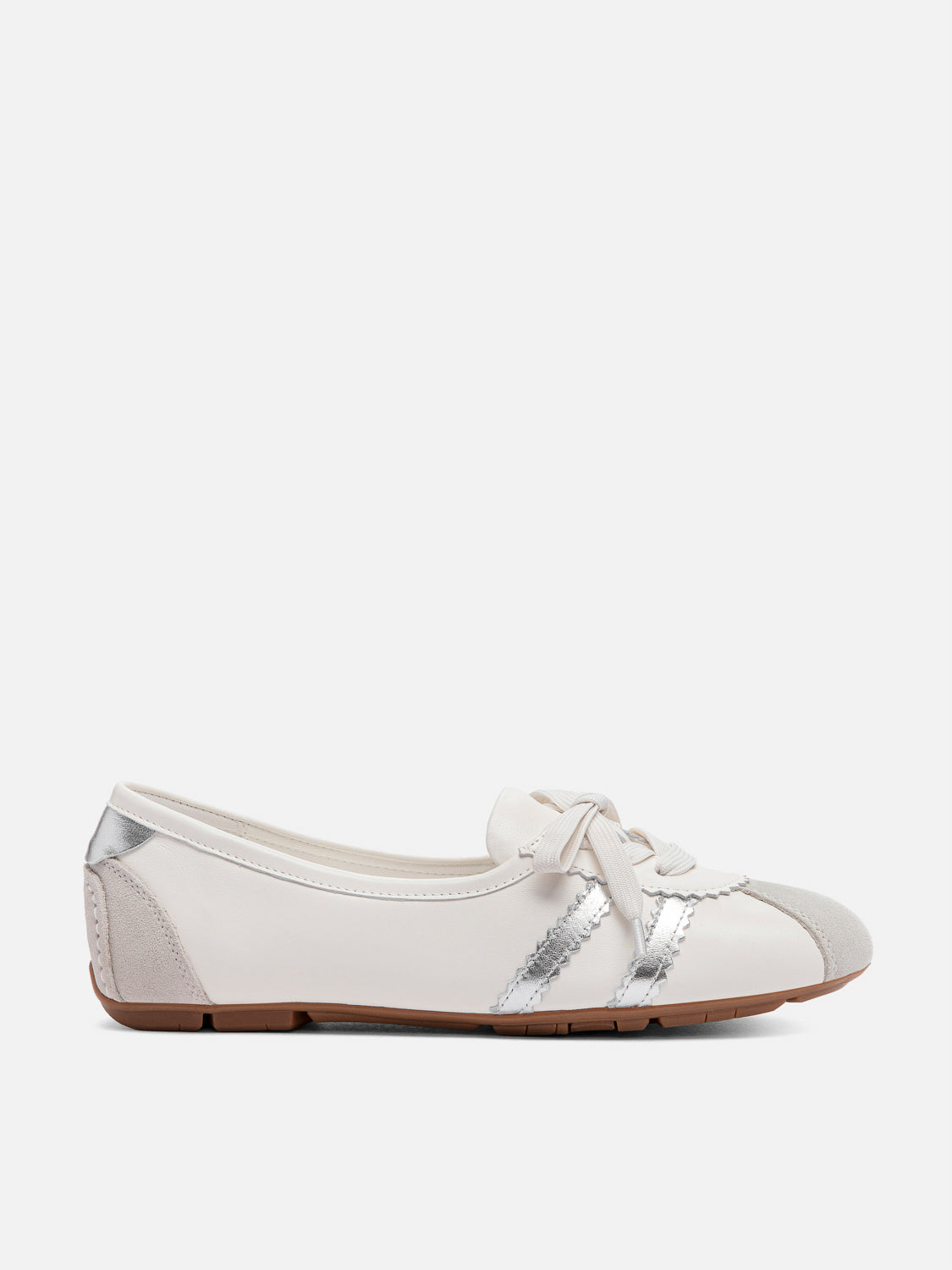
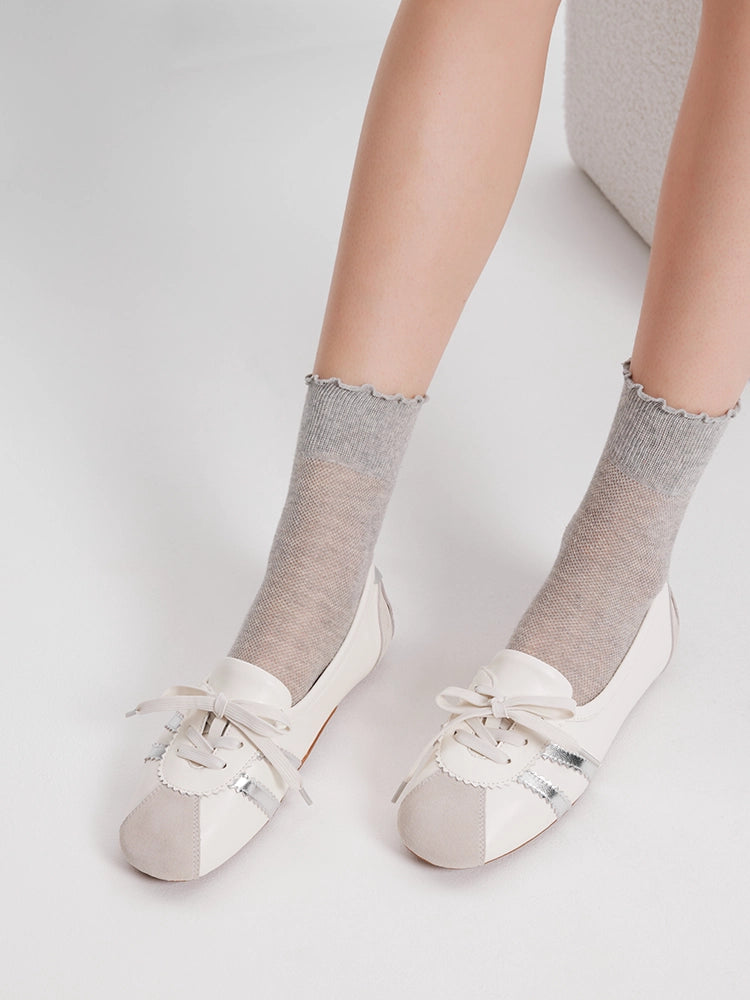
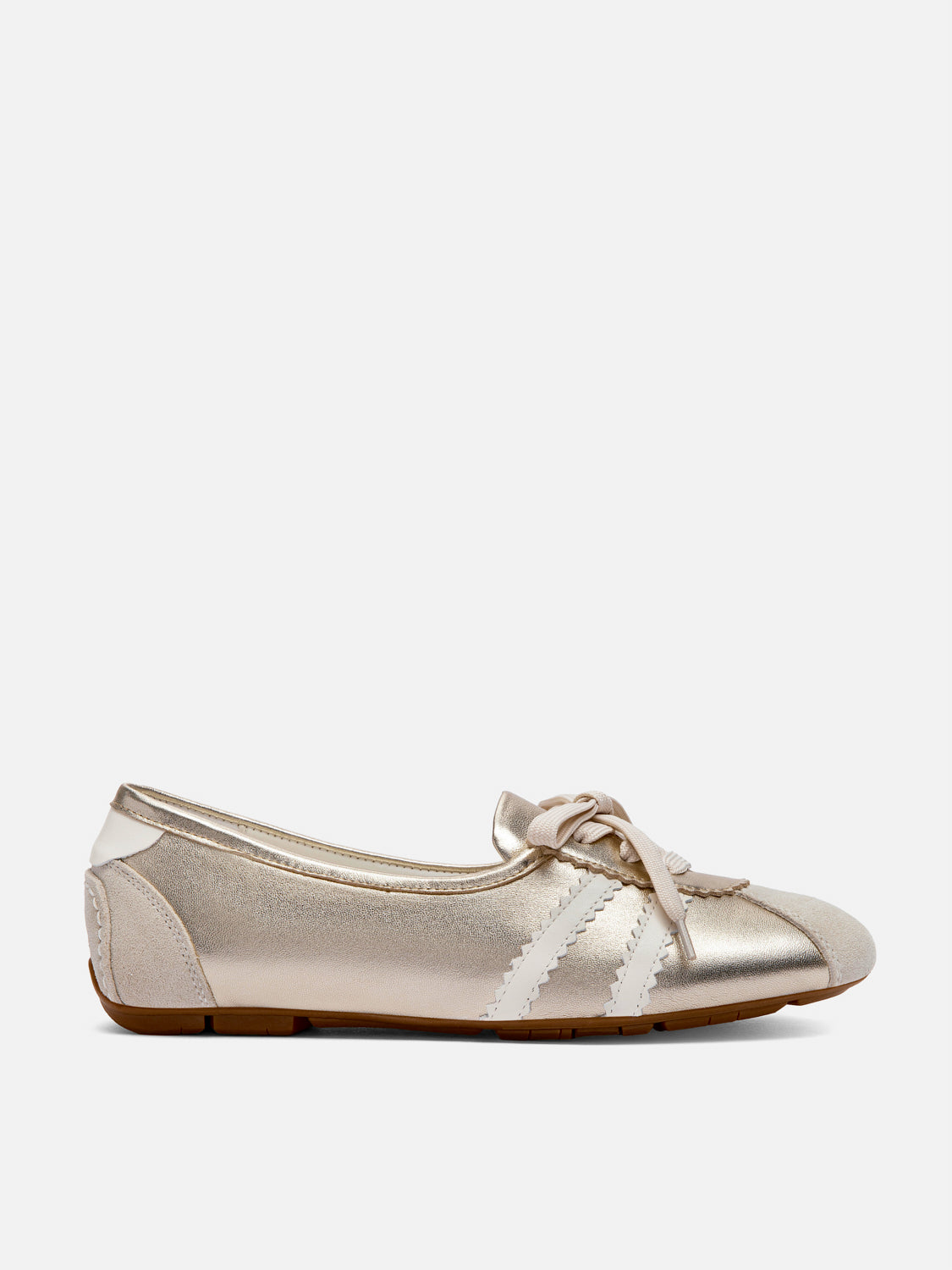
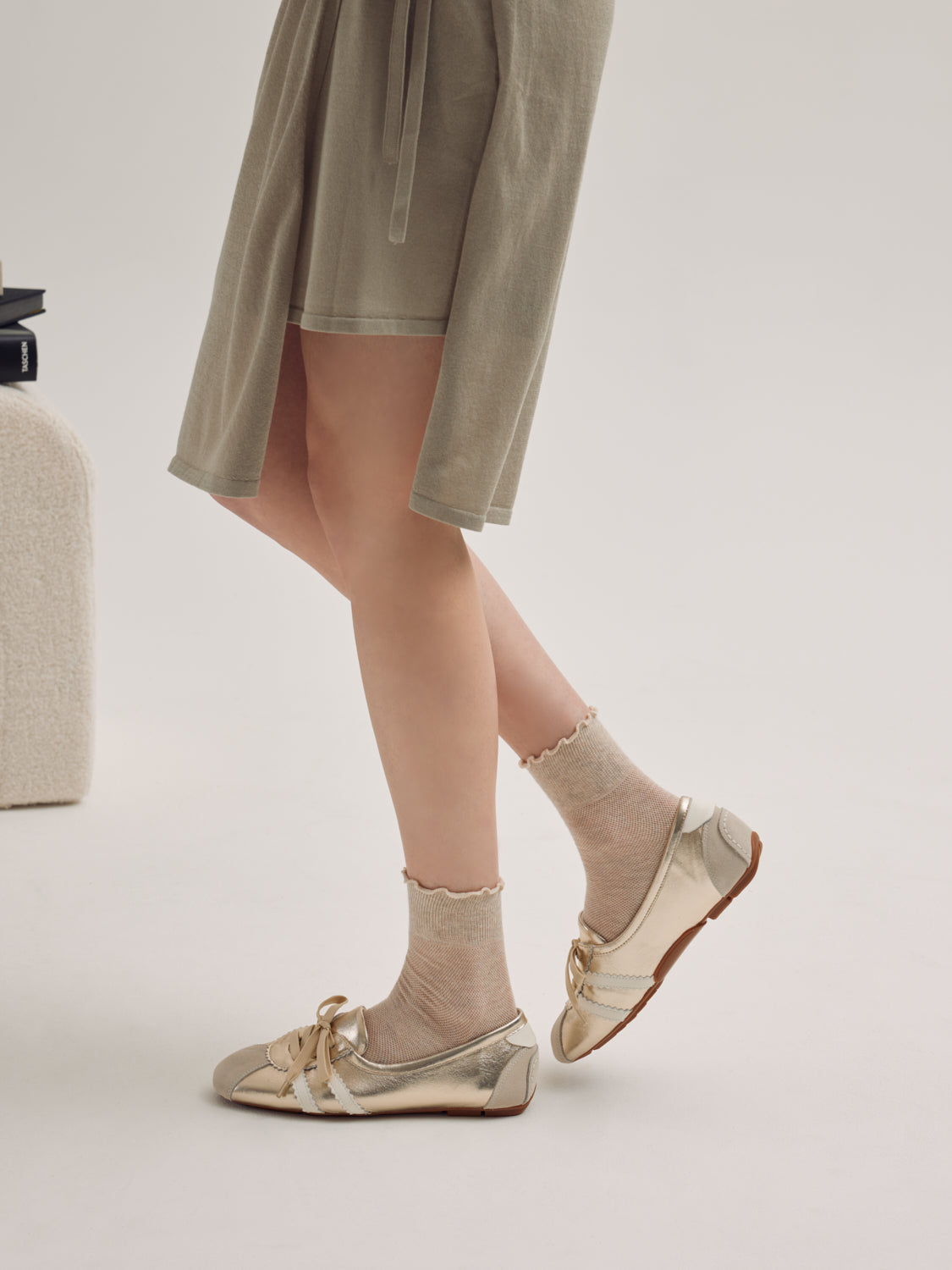
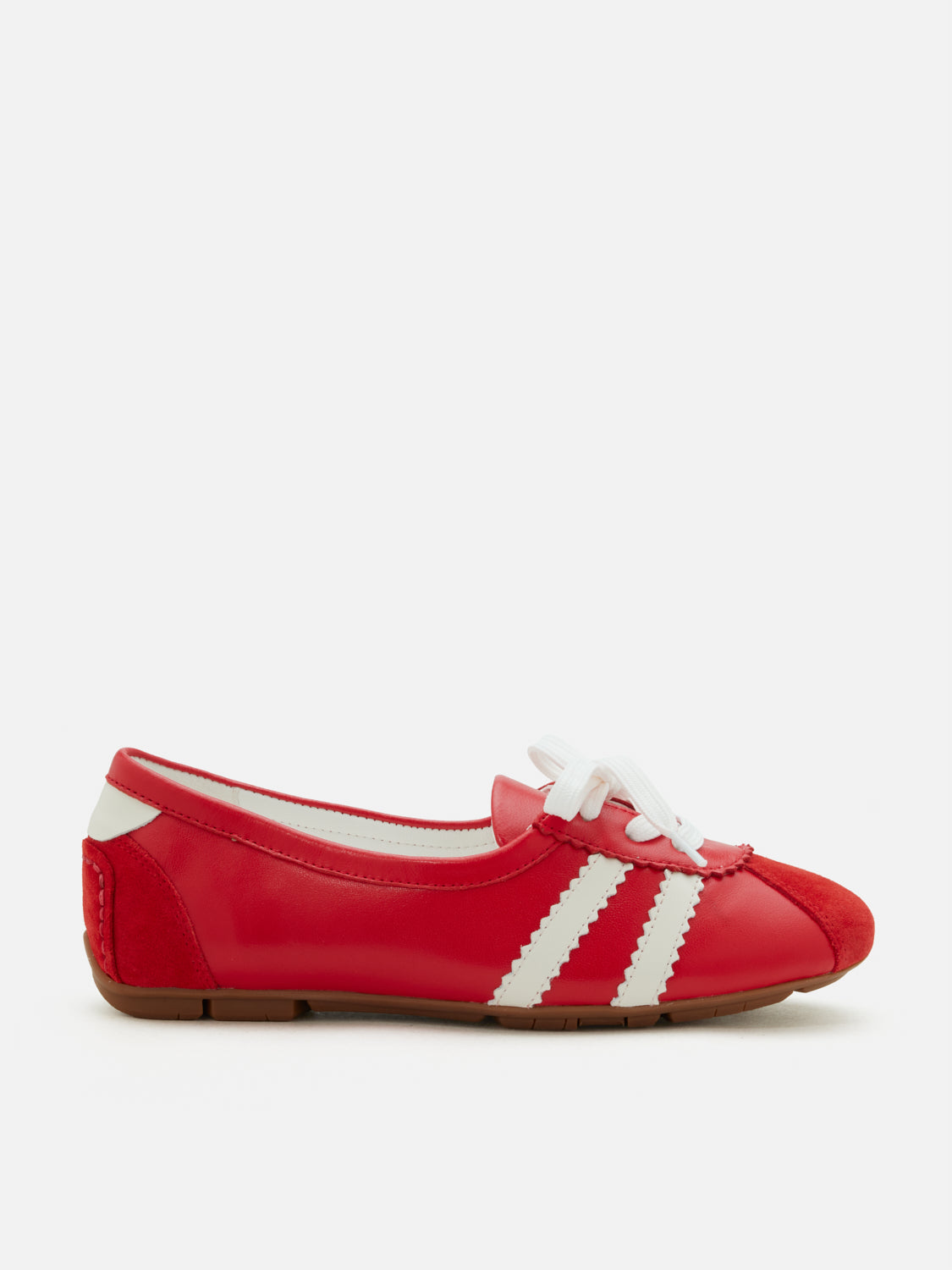
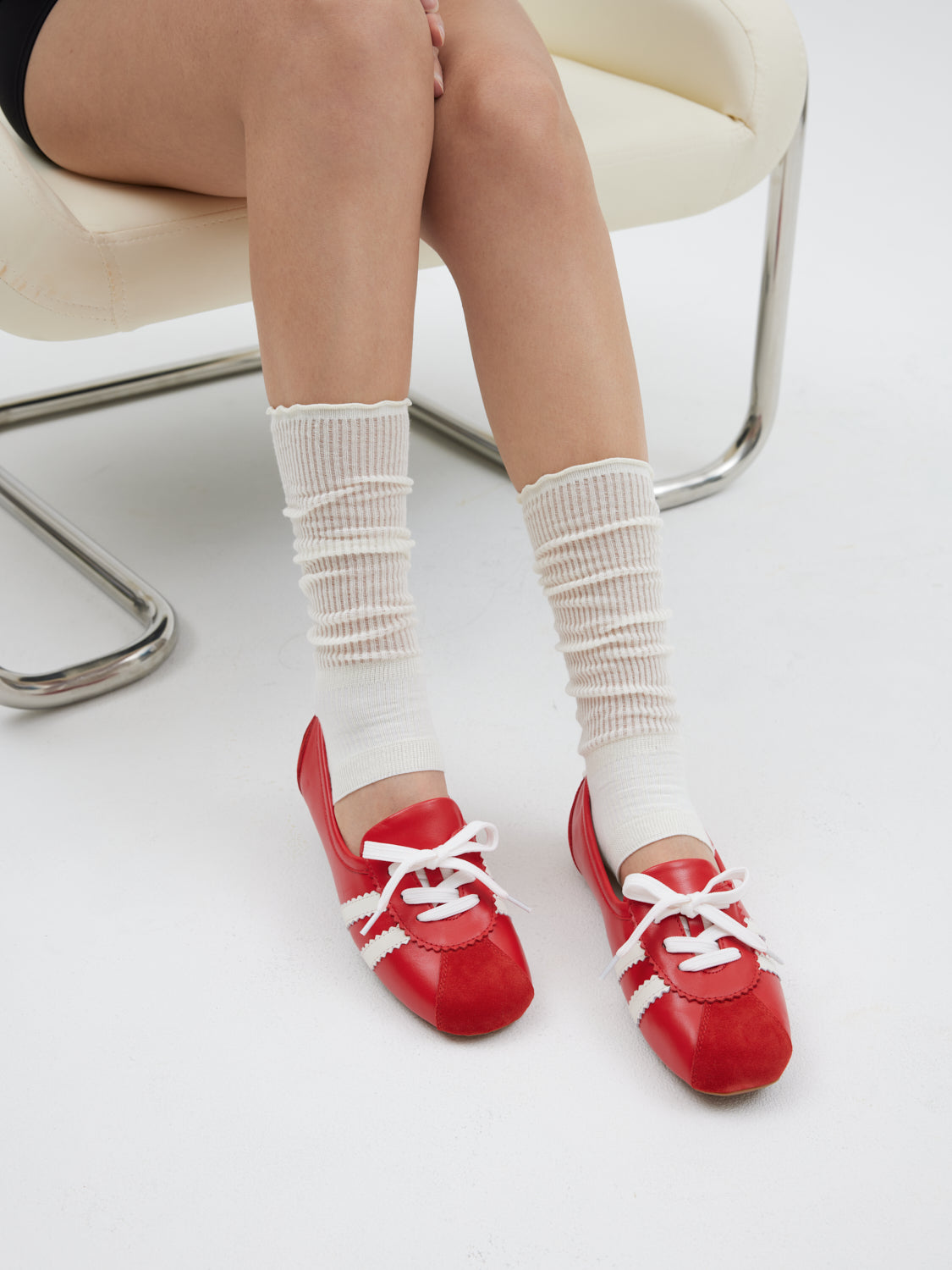
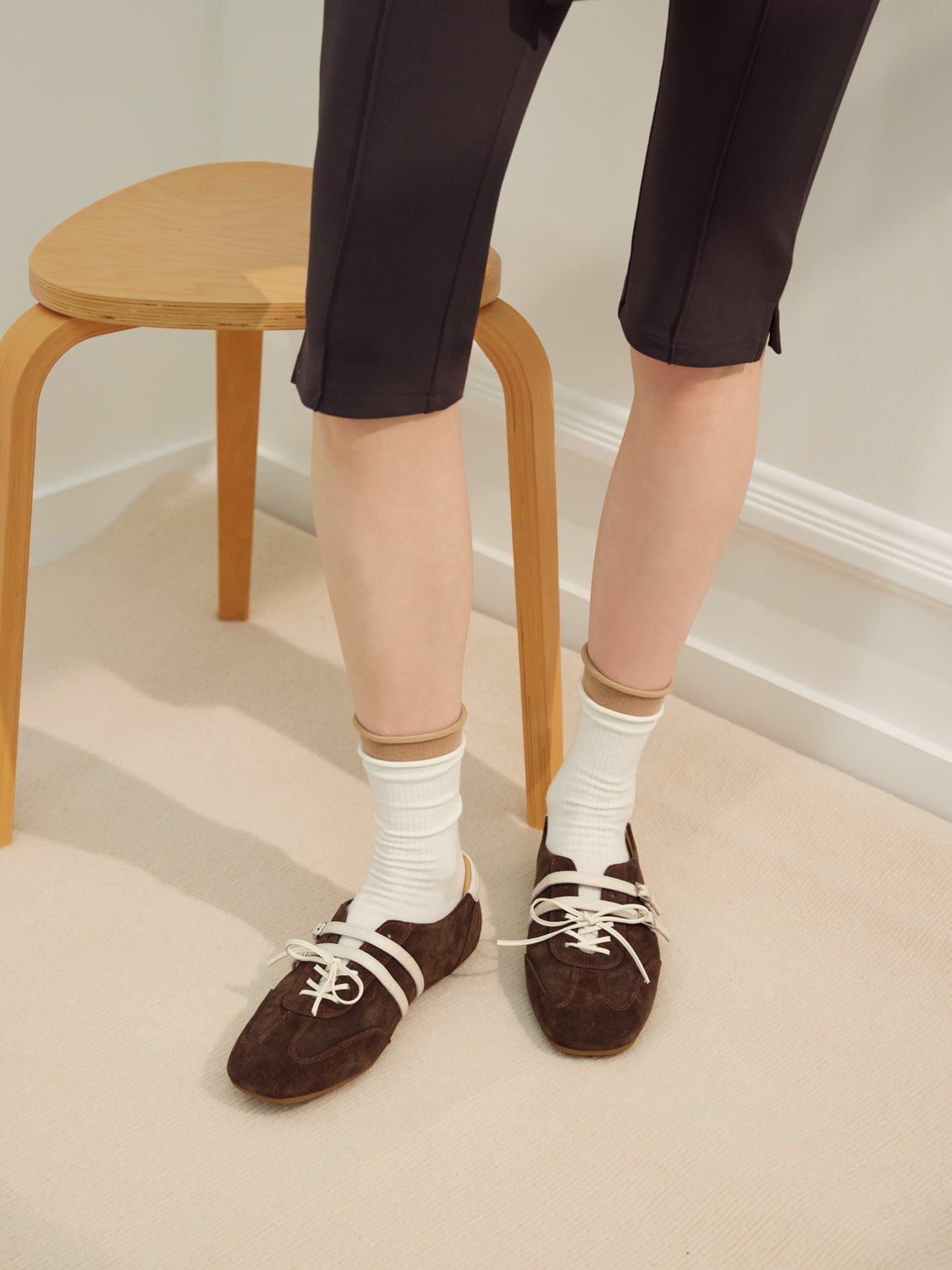
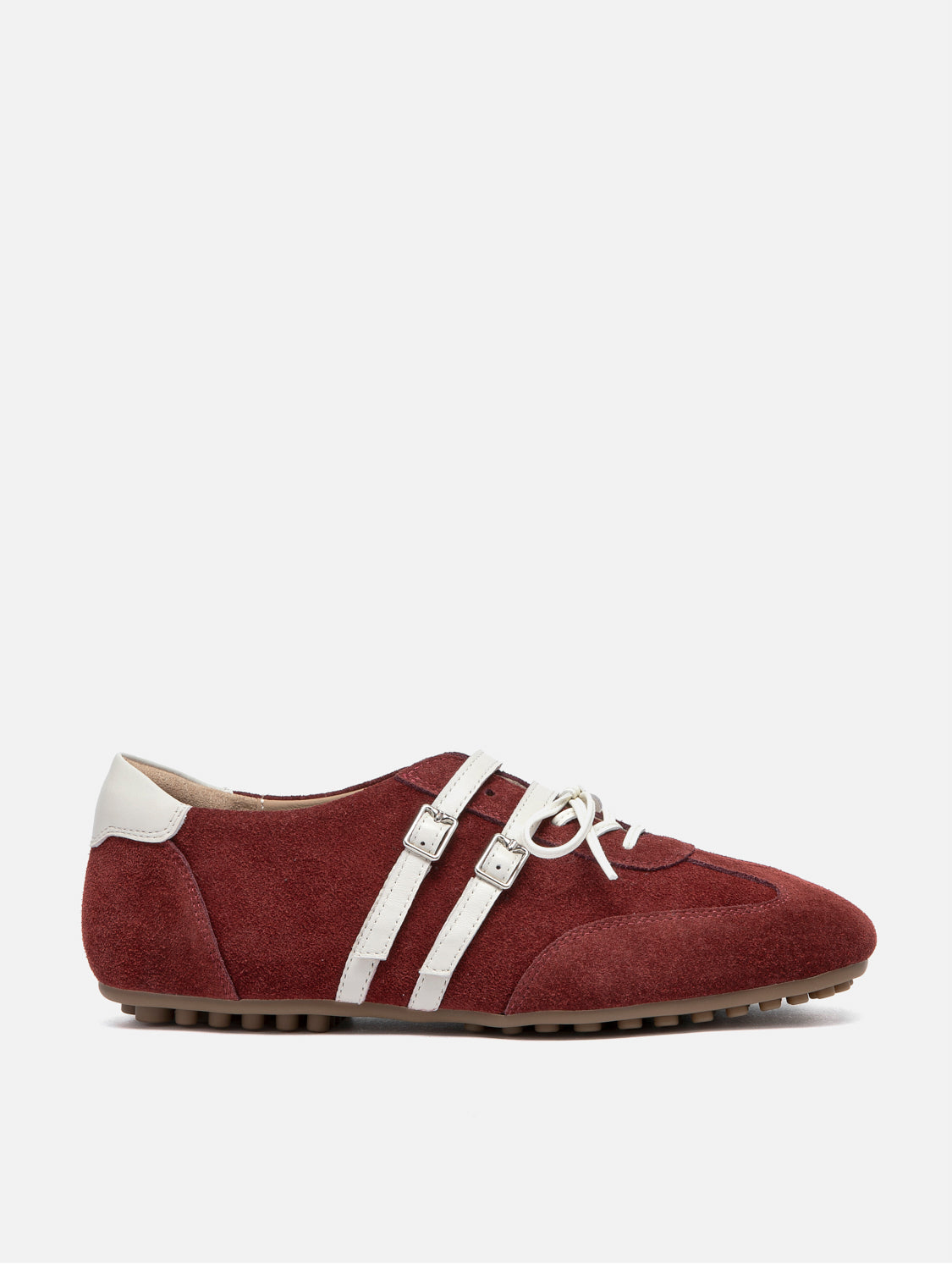
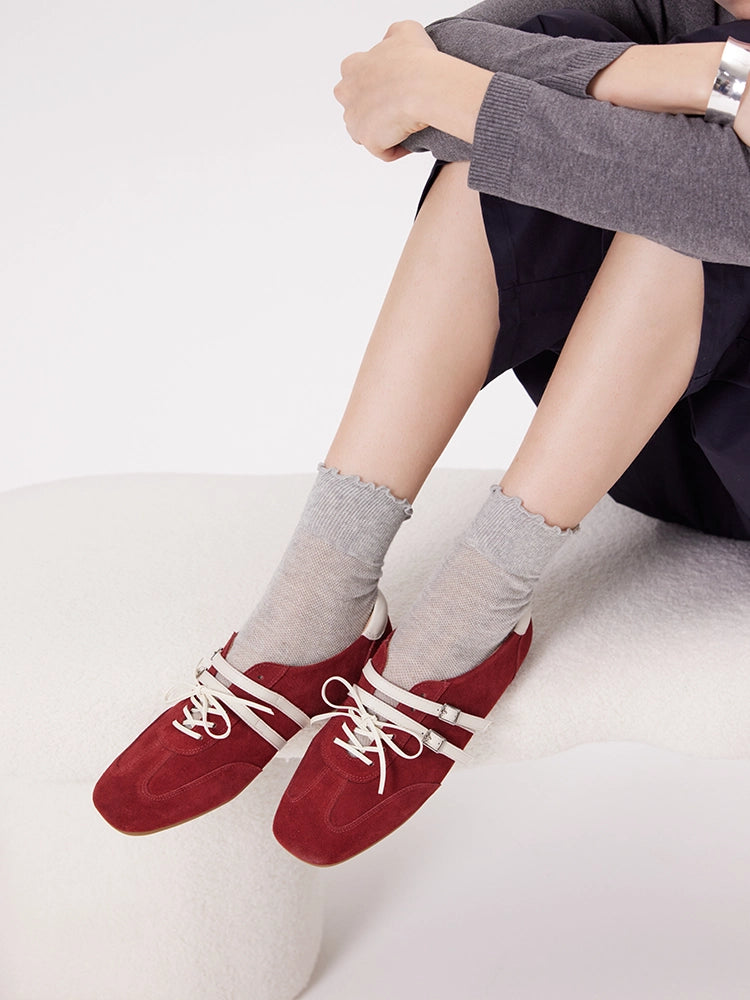
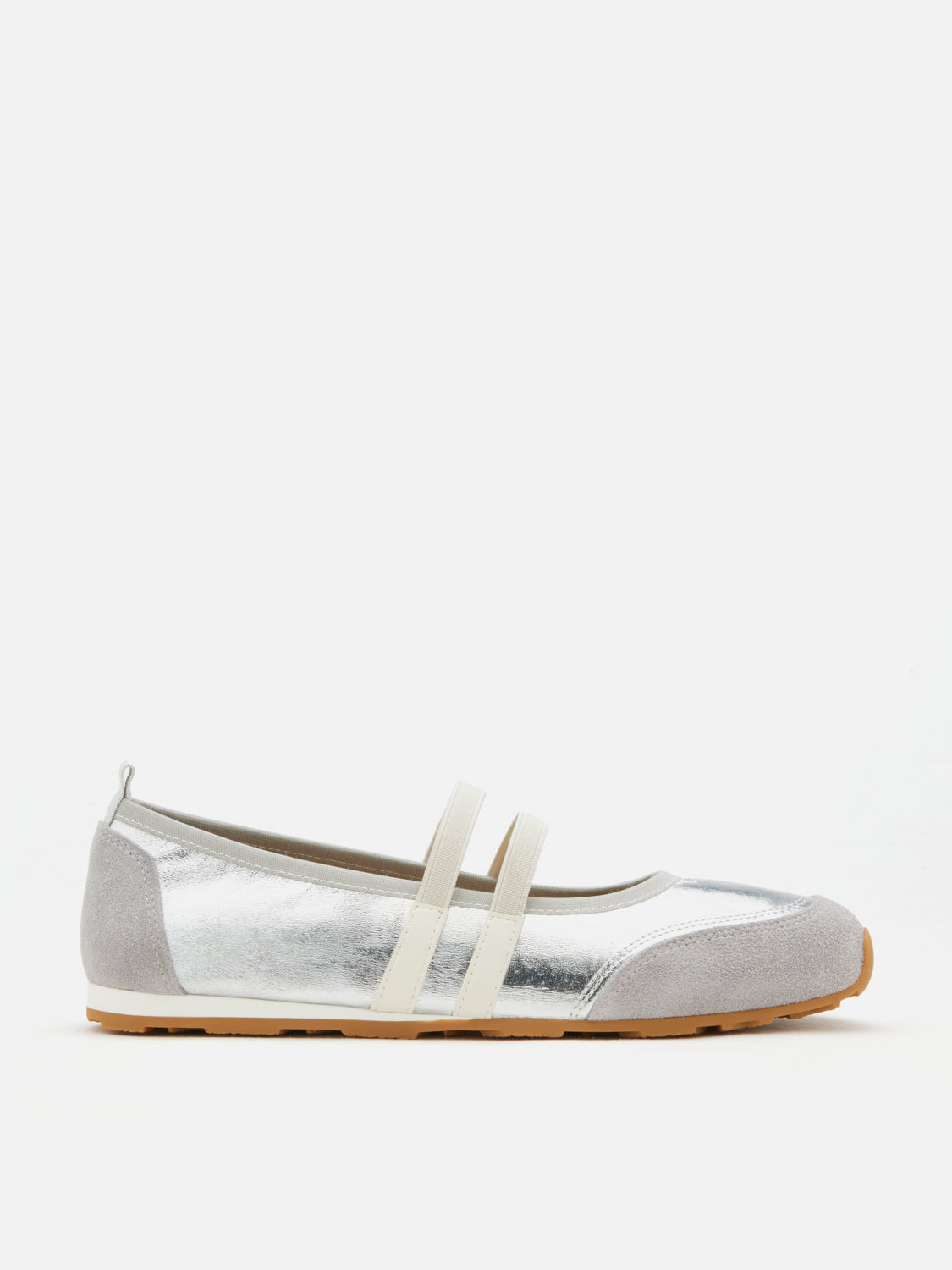
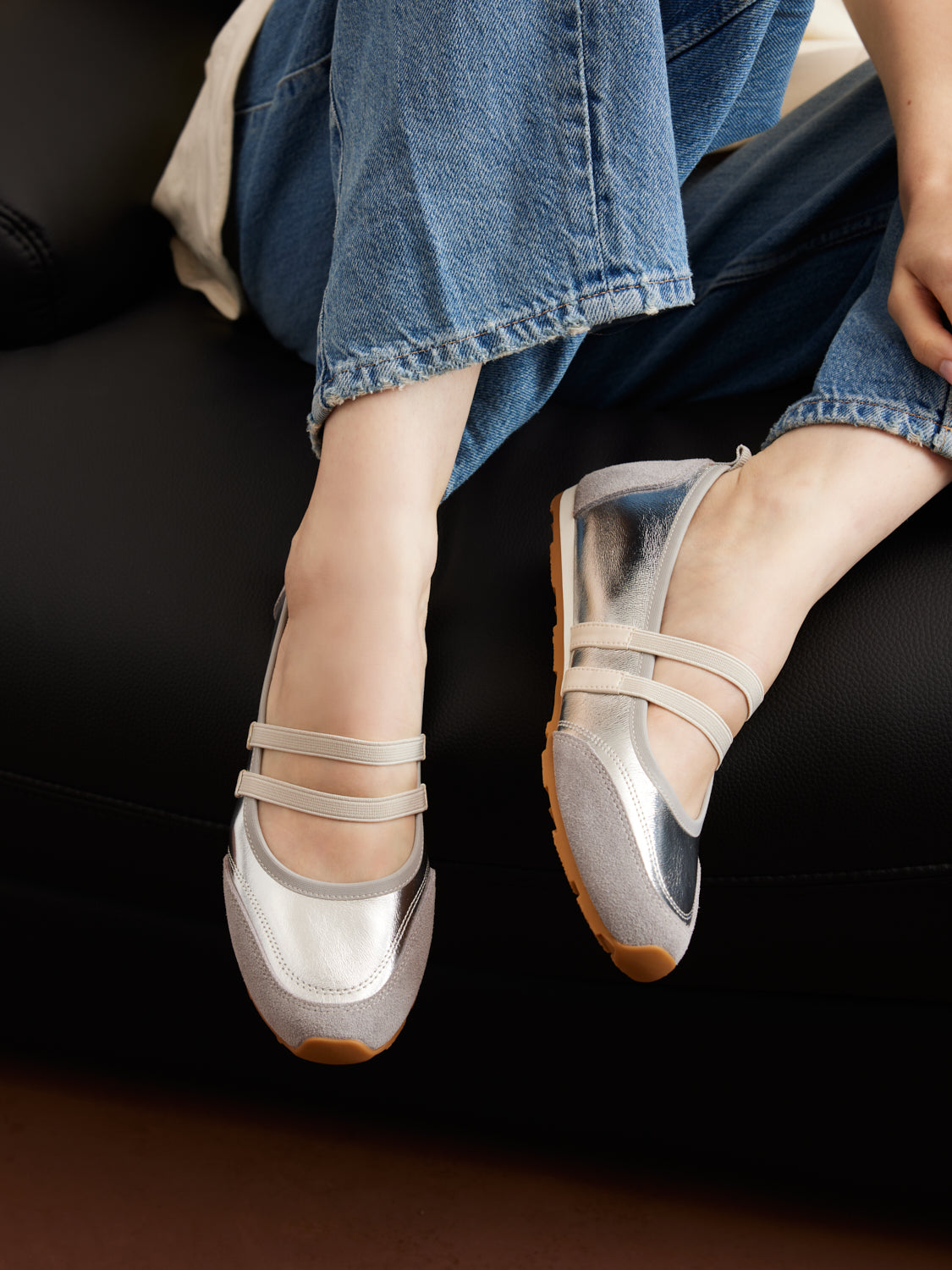
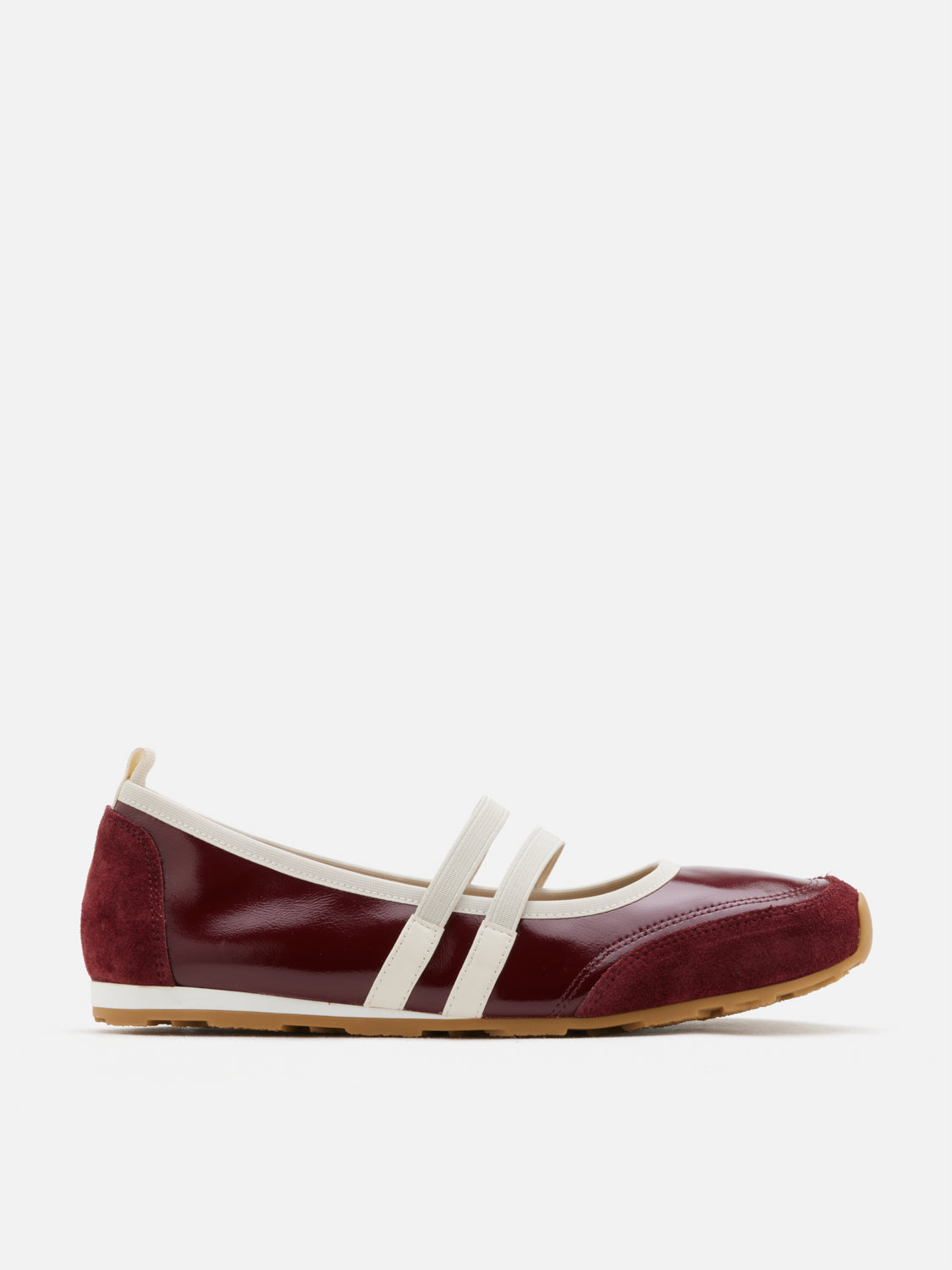
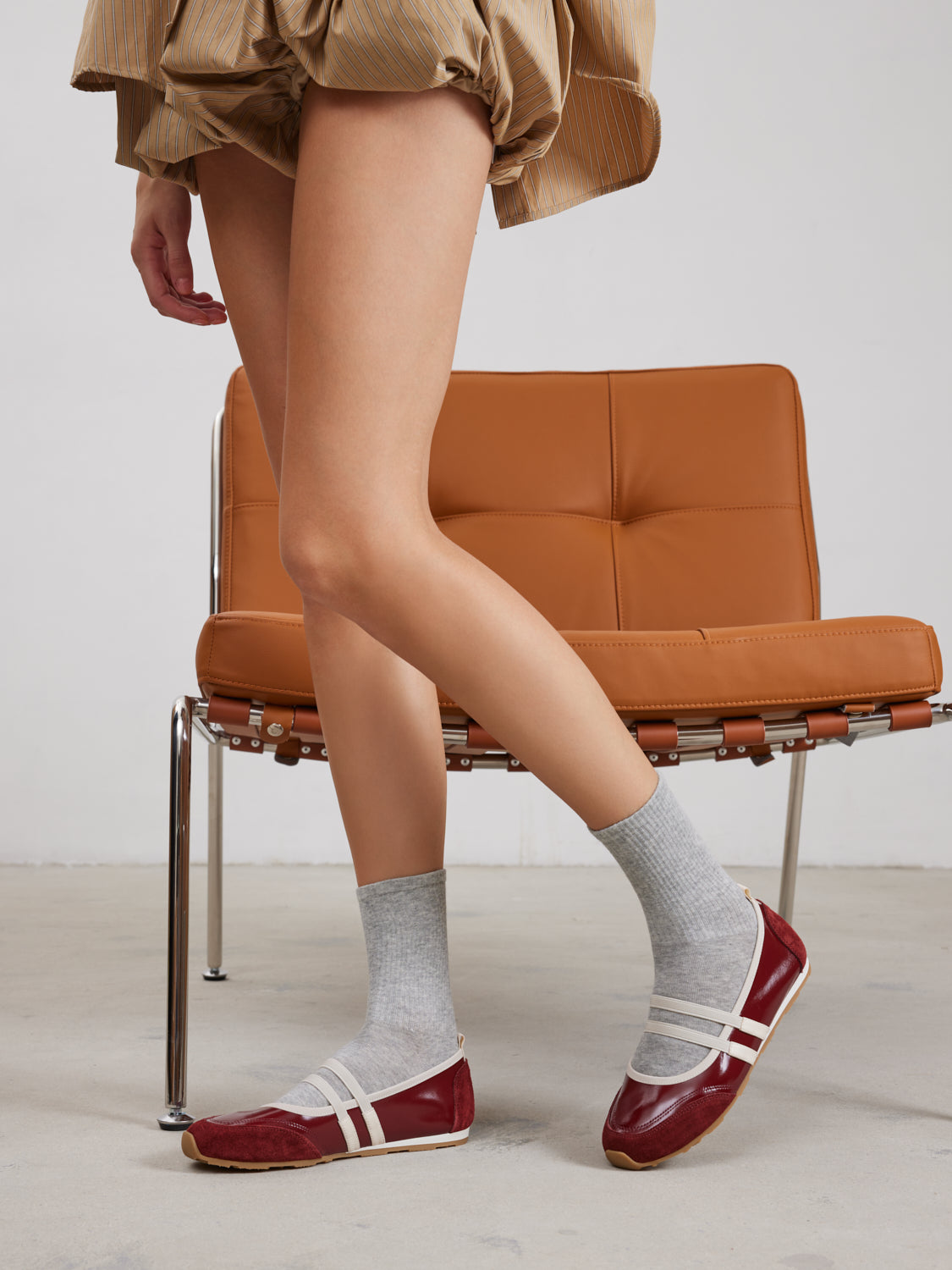
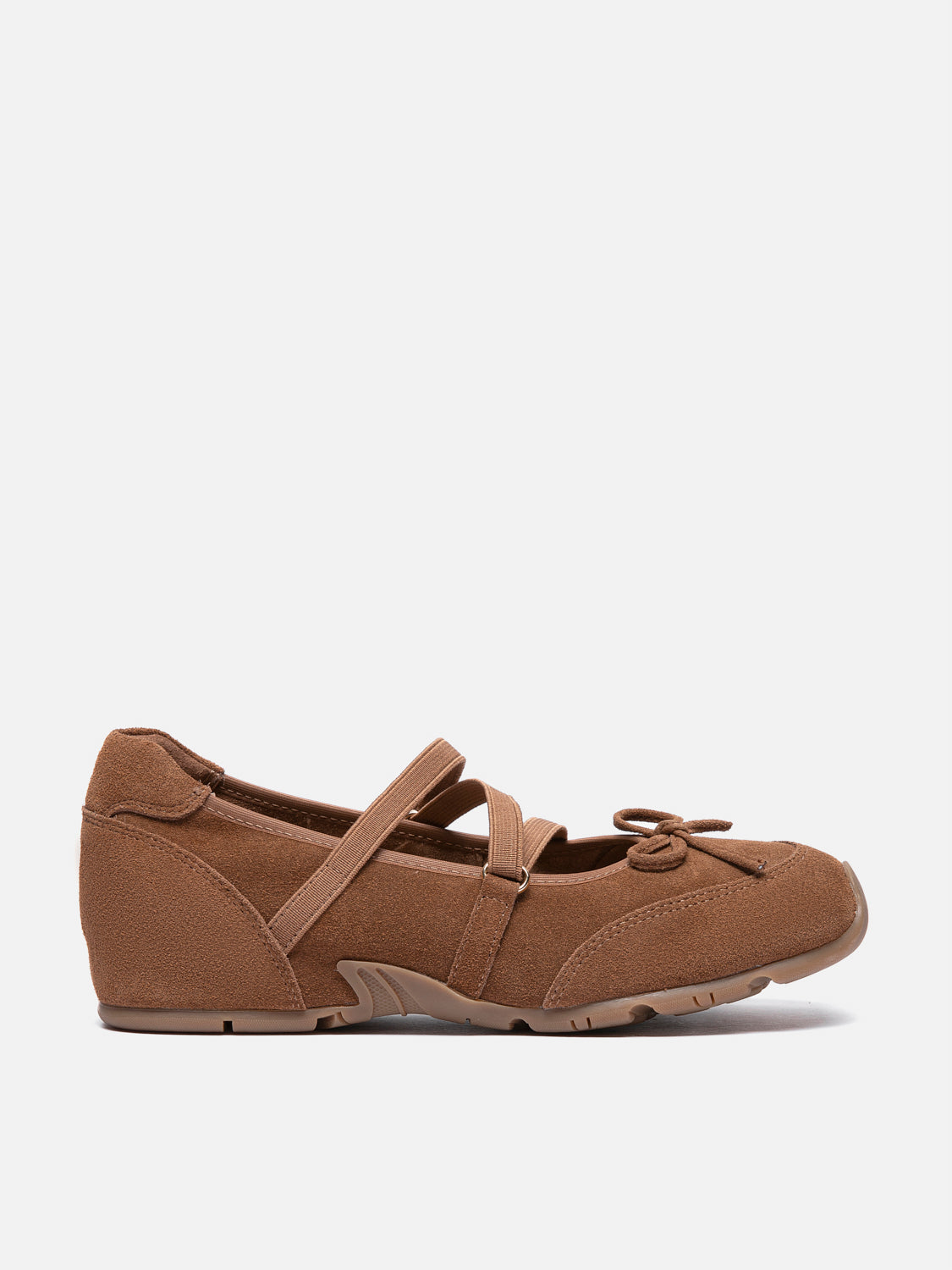
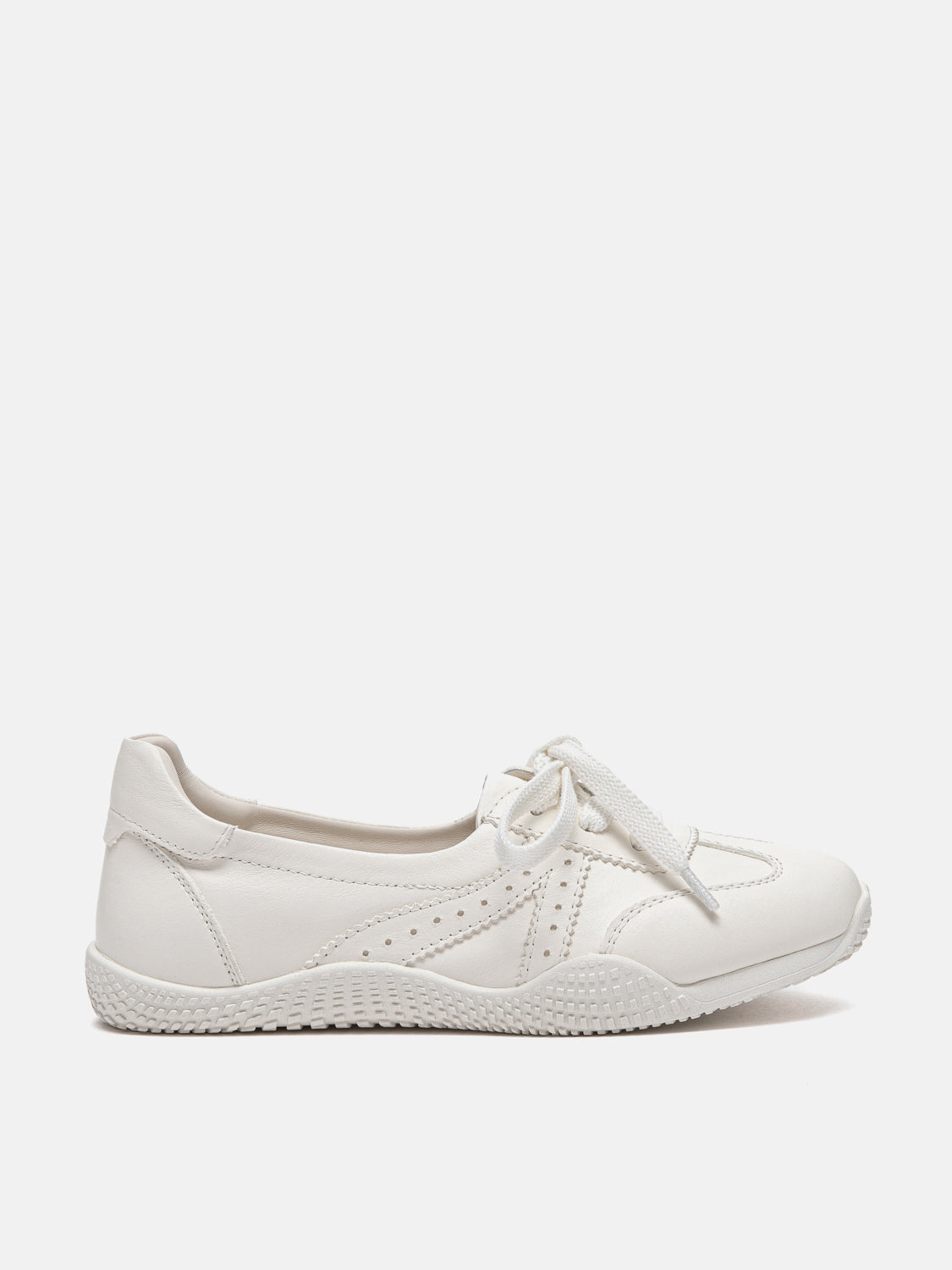
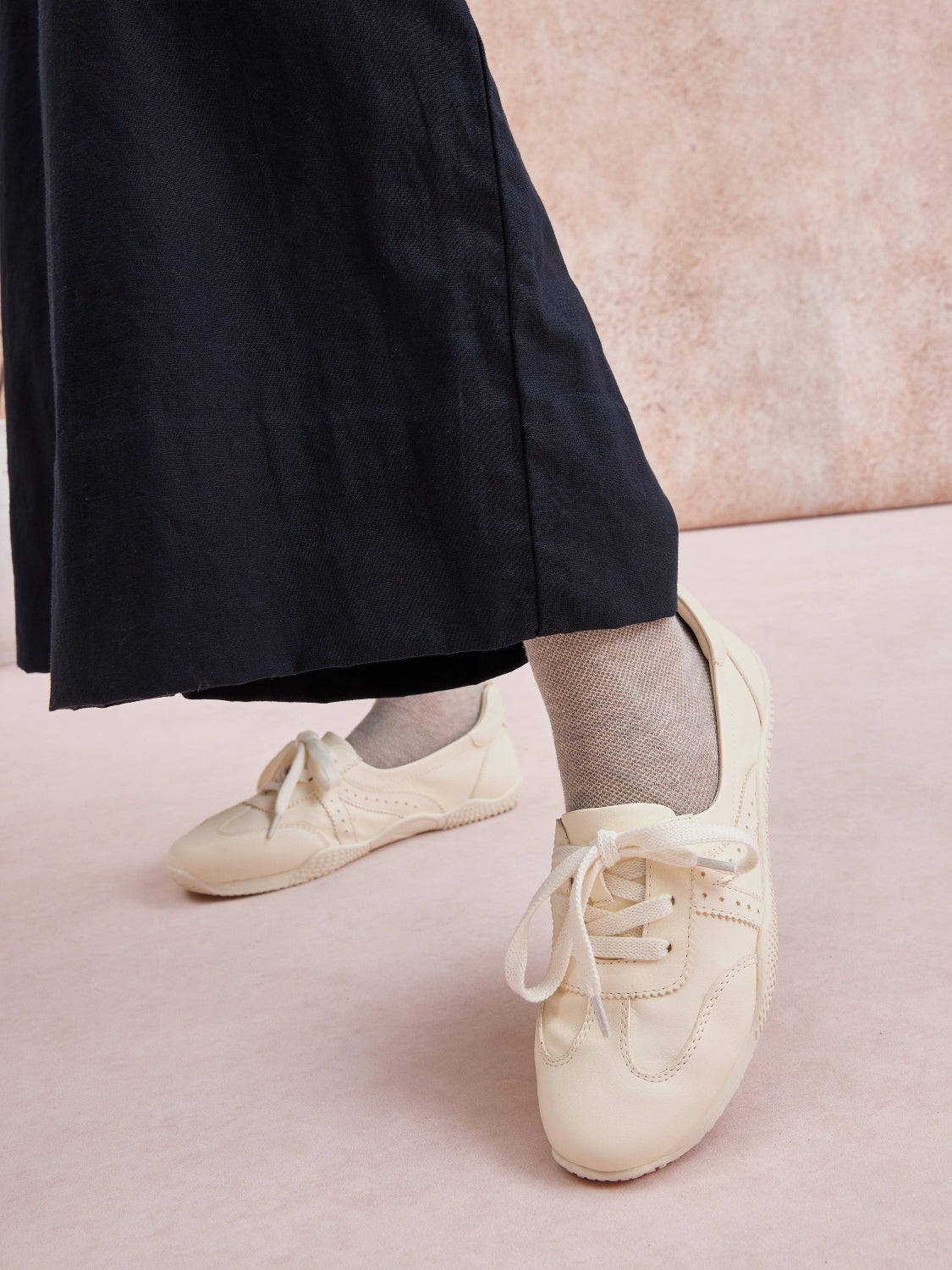
Wear: Alice Ballerina Sneakers · lambskin and cowhide suede upper with a lambskin lining and insole, lace-up closure that gives it more structure than a bare ballerina flat
-
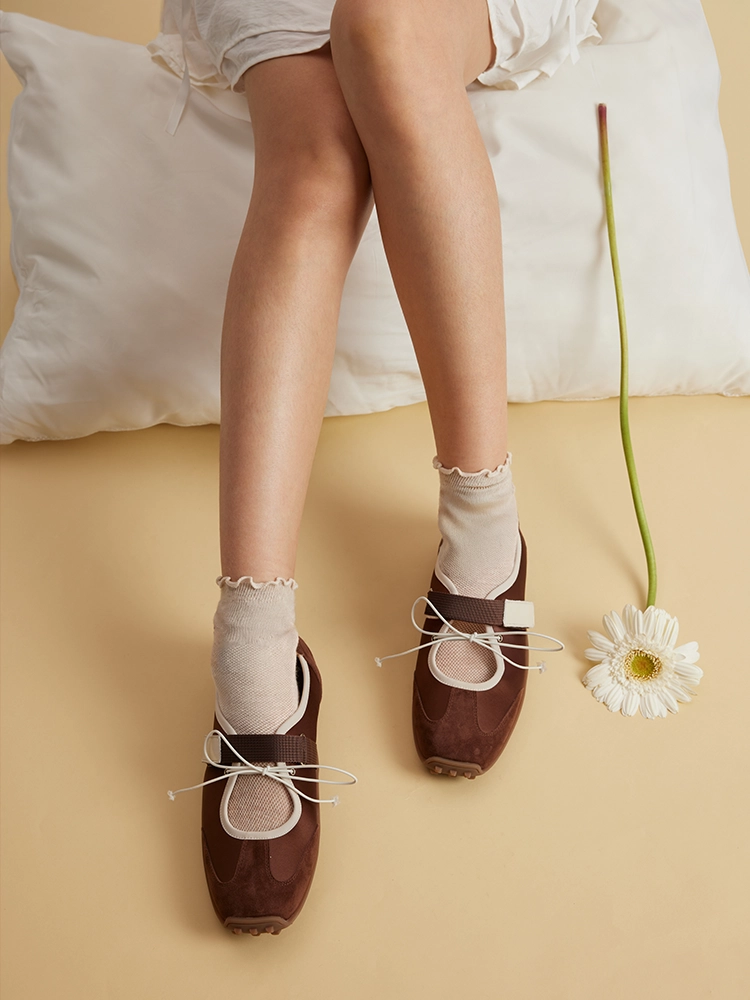
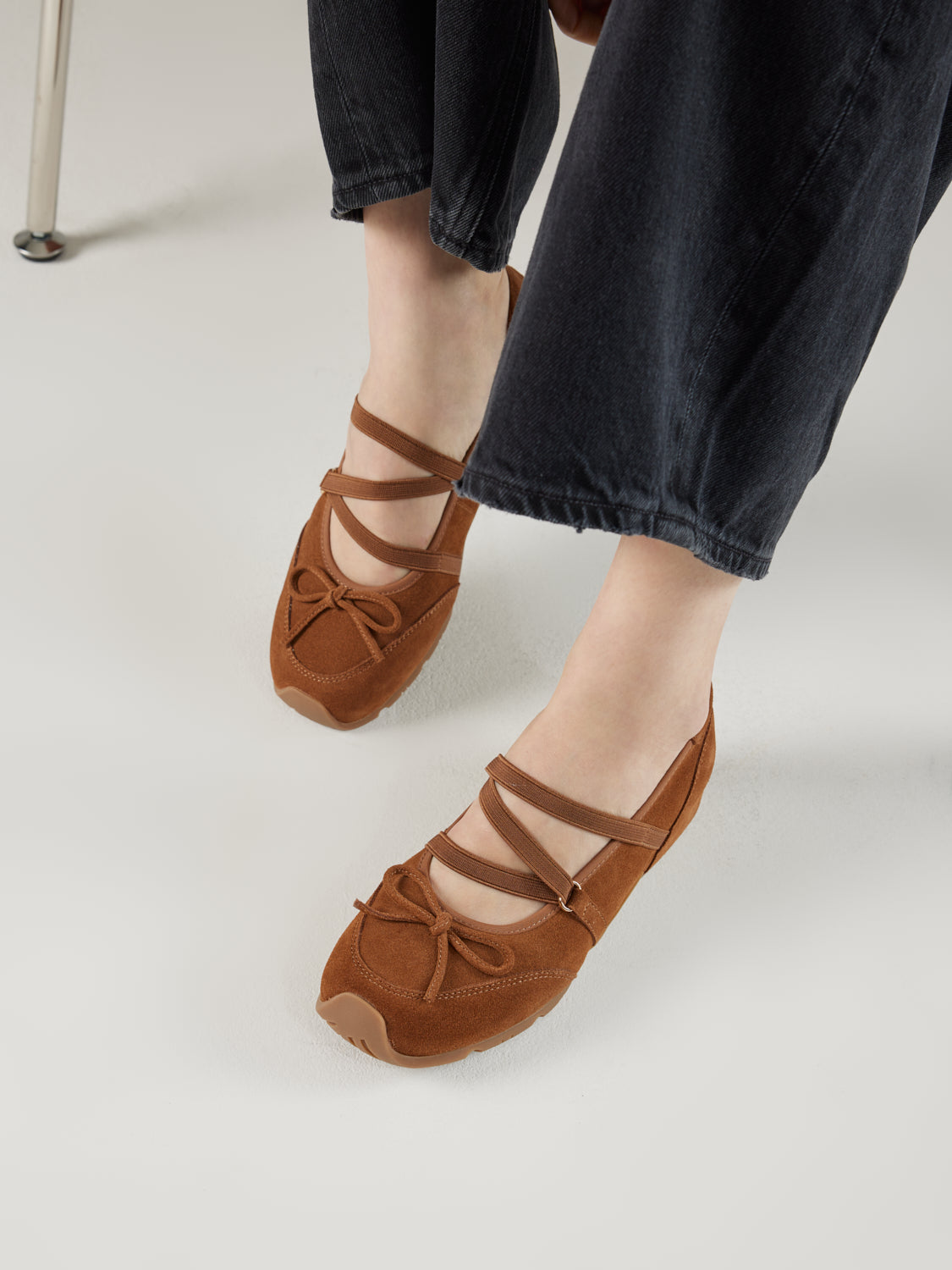
Wear: Oravienne Bow-Tied Velcro Sneakers · lamb suede and silk with a small bow and adjustable velcro straps, padded at the back for all-day wear
-
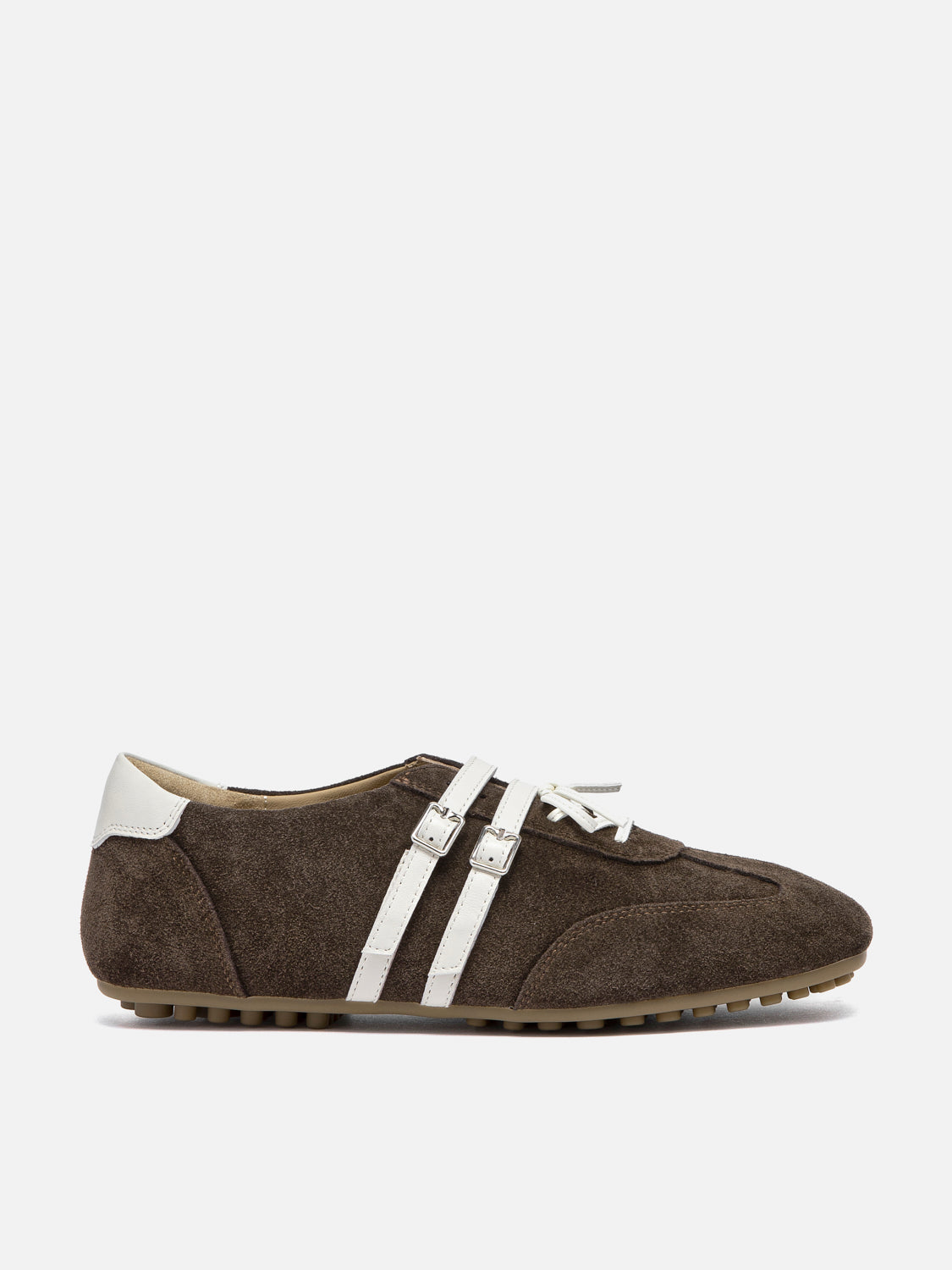
Wear: Samira Suede Sneakers · cowhide suede with contrasting leather straps and a cushioned lambskin insole, built lightweight with a square-toe silhouette that still reads sneaker-easy
What is a sneakerina, actually?
The name does most of the explaining if you break it down. The "ballerina" half is the shape: a closer-cut vamp (the top-front part of a shoe that covers the toes and the top of the foot), a rounder toe, less bulk than a trainer, closer to how a ballet flat actually sits on the foot. The "sneaker" half is the sole and the closure: a flexible, cushioned sole instead of a thin flat one, and a lace-up or velcro strap that holds the foot in place the way laces do on a trainer, instead of relying on a snug vamp alone to keep the shoe on. Some searches call the same idea sneaker flats, which is really just the plainer version of the same construction.
Put the two together and you get a shoe that sits lower and lighter than an actual trainer but holds on and flexes more than a bare ballet flat does. That's also why the trend has legs beyond a single season. It sits inside the same balletcore, softer-dressing shift that's brought bows and ballet-flat shapes back across the board, but it solves a real fit problem rather than just following a look, which is part of why PAZZION keeps adding to the range rather than treating it as a one-off drop, and why sneakerinas now get their own spot in the main shoe navigation rather than sitting as a seasonal tag.
Browse the sneakerinas collection to see how that plays out across closures and materials, from lace-up to velcro to a plainer slip-on.
Are sneakerinas actually comfortable?
Comfortable is the word every sneakerina gets sold on, and it's worth asking what's actually doing the work.
-
Sole flex. A sole that bends at the ball of the foot, rather than staying rigid like a trainer's midsole, is what makes a sneakerina feel closer to a flat when you're walking and closer to a sneaker when you need the extra give. Press the sole before buying: it should give where your foot naturally bends, not along the whole length.
-
Arch support. A cushioned insole does real work over a full day, the same way it does in any flat that claims to be comfortable. A shoe with nothing under the arch will tire you out by mid-afternoon, sneaker-shaped or not.
-
A soft, real upper. Genuine suede or leather molds to the foot after a few wears, where a stiff synthetic upper stays exactly as tight as it was on day one. It's a big part of why the same silhouette in leather and in a cheaper synthetic can feel like two completely different shoes by week two.
That construction question is also what's really behind the worry that flats are bad for your feet. The honest answer is that it comes down to what's under the foot, not the silhouette: an unsupported insole and a stiff sole will tire you out in any shape of shoe. A sneakerina answers it with a flexible sole and a closure you can tighten. A well-made ballet flat answers it with the insole and the leather. Same problem, different parts doing the work.
Singapore's heat adds a fourth factor most comfort claims skip entirely. A closed trainer traps heat against the foot on a hot pavement in a way a lighter, more open hybrid doesn't, which is part of why a sneakerina can genuinely feel like the more comfortable choice for a full day out here, not just the more stylish one.
Sneakerina, sneaker, or ballet flat?
A regular sneaker gives you the most structure and the most cushioning, at the cost of bulk. It's the right call for actual walking distance or a full day on your feet where nothing else will do.
A ballet flat gives you the least bulk and the cleanest line, and does without the sole flex and closure a sneaker has to get there. It's the right call when the outfit wants to stay minimal and the day is more sitting than walking. It also breathes the best of the three. Without a closure to take up slack, though, it wants a more precise fit from the start, especially as feet swell slightly by mid-afternoon in the heat.
A sneakerina sits between the two on purpose, not as a hedge. Enough sole flex and closure to hold up over a longer day than a flat can manage, without the bulk that makes a trainer feel wrong under tailored trousers or a dress. It's also the least likely of the three to work against you by mid-afternoon here, holding the foot as it swells without closing it in. It earns its place on a commute-and-errands day, a travel day where one pair needs to work with everything in the suitcase, or a smart-casual work setting where an actual trainer reads too relaxed but a heel is more than the day calls for.
None of this makes a sneakerina the right shoe for every day, and it's worth saying so plainly. A proper trainer still wins for genuine exercise or a day spent mostly on your feet outdoors, and a bare ballet flat still wins when you want the least possible shoe under a dress. A sneakerina is the middle option worth having in rotation, not a replacement for either end of that range.
Fit and care notes
Lace-up and velcro styles, like Alice and Oravienne, give more room to adjust than a slip-on sneakerina does, so if you're between sizes, a style with a closure you can tighten is the safer choice. New suede and leather uppers also take a few wears to soften and mold to your foot, the same as any leather shoe, so expect the very first outing to feel slightly firmer than the fifth.
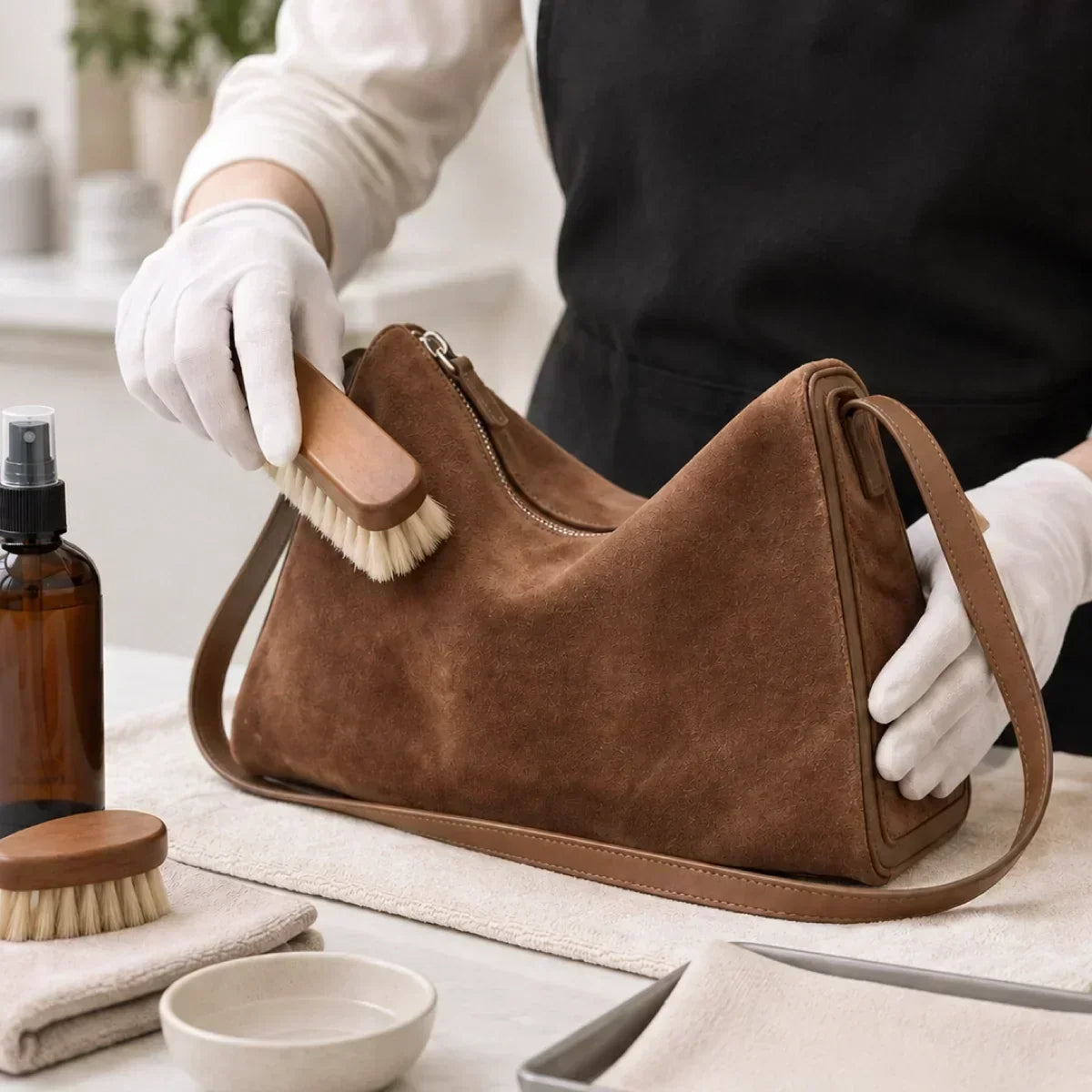
Care depends on the upper. Suede wants a dedicated suede brush rather than a wipe, and should stay away from water entirely. Leather and lambskin uppers want a soft cloth and a proper leather conditioner worked in every few wears, both of which sit in the shoe care collection. Whichever material, let a damp pair dry naturally before the next wear rather than reaching straight for it again the next morning, and give suede a few minutes to air out after a sweaty day in Singapore's humidity before it goes back in the cupboard. Our guide to suede and leather care goes through both in full.
Shop the collection
Ready to see what the fuss is about? Browse the sneakerinas collection, or read Coquette Classics: The Softer Side of Sneakers for how to actually wear them once you've picked your pair.
Shop The Look