Comfortable Women's Shoes: Complete Buying Guide
Comfort is something you can check
A pair of shoes can look right in the box and feel wrong by the second hour. Comfortable women's shoes are less of a mystery than they seem. Wherever you shop in Singapore, comfort comes down to a handful of things you can check before you buy: how the shoe fits, how much room the toes have, what sits under the foot, how the sole bends, how high and steep the heel is, and what the upper (the part that wraps over your foot) is made of.
Shop the edit

-
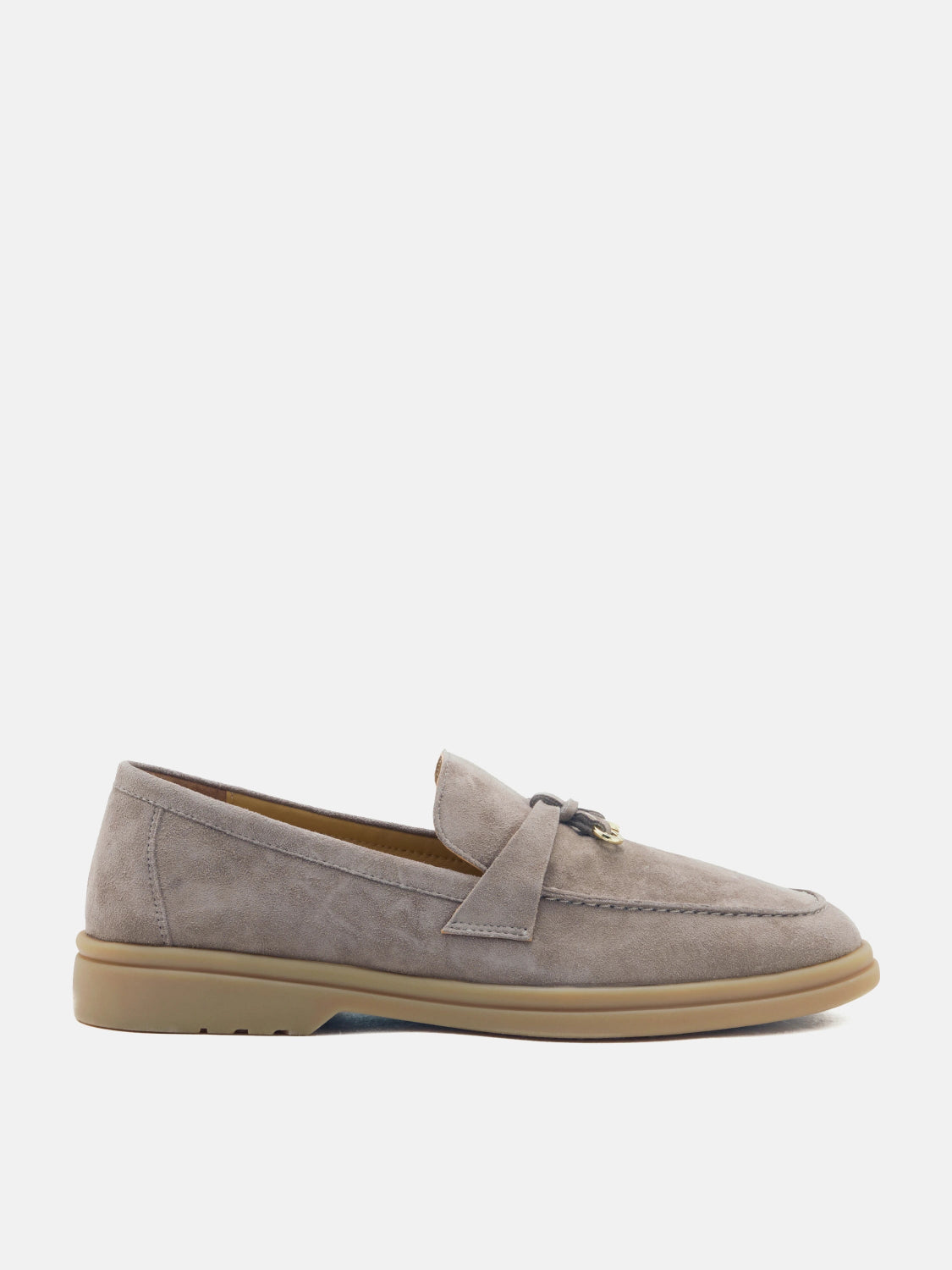
Wear: Phoenix Knot Detail Suede Loafers · lamb suede with an almond toe, a slip-on shape and a rubber grip for stable all-day wear
-
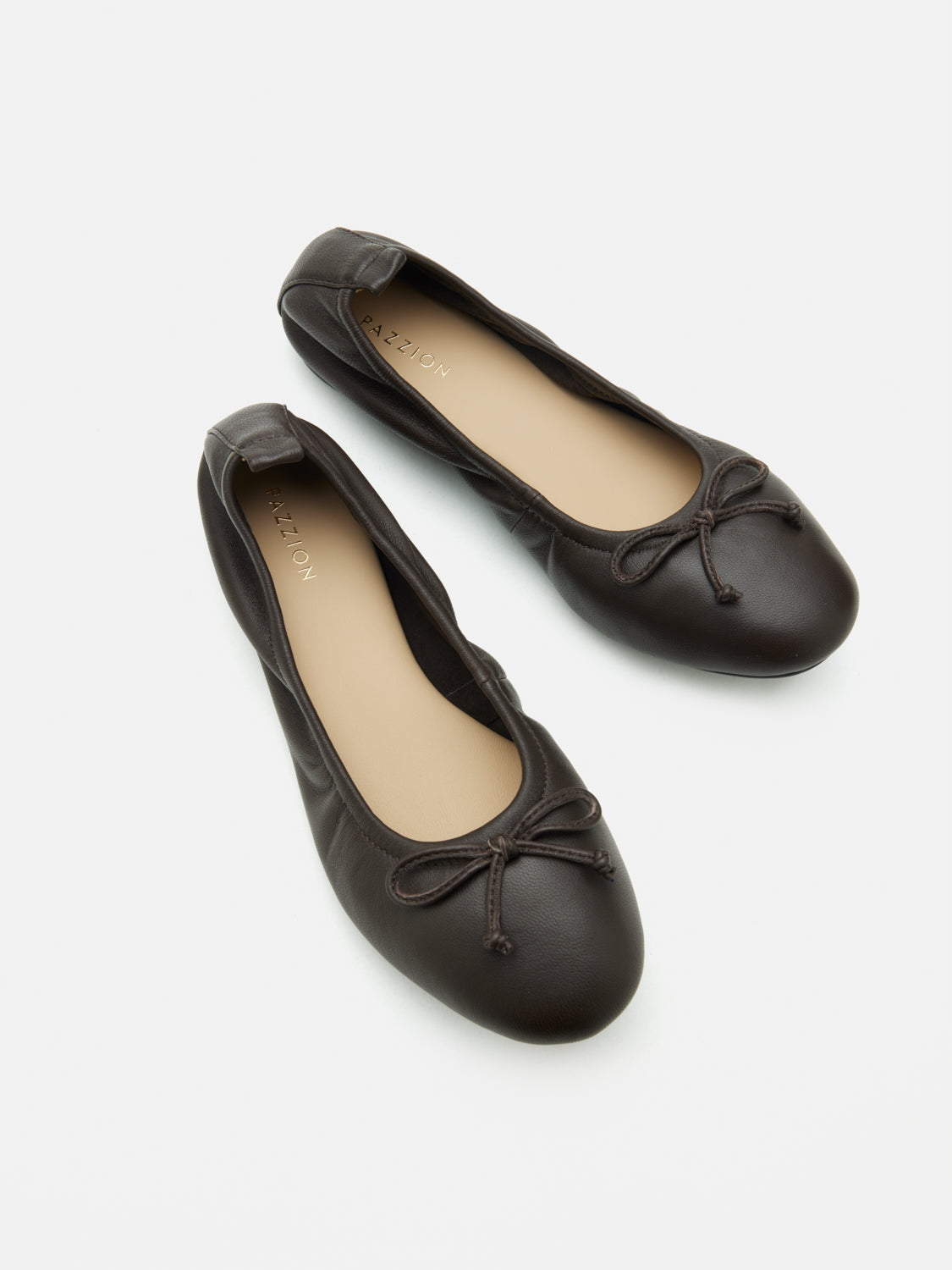
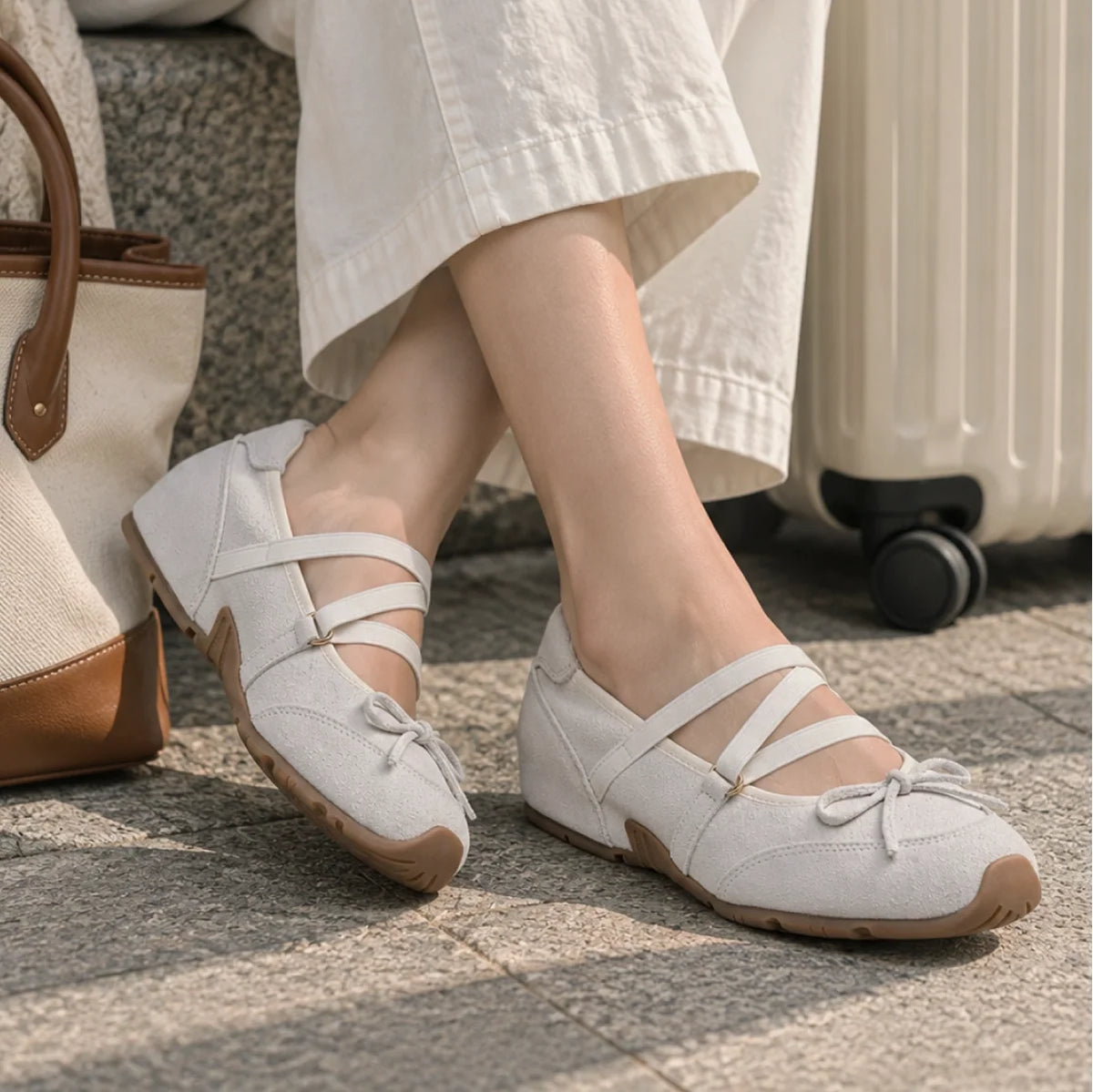
Wear: Avery Bow Covered Flats · rounded toe with a bow, in lambskin with a lambskin lining and insole
-
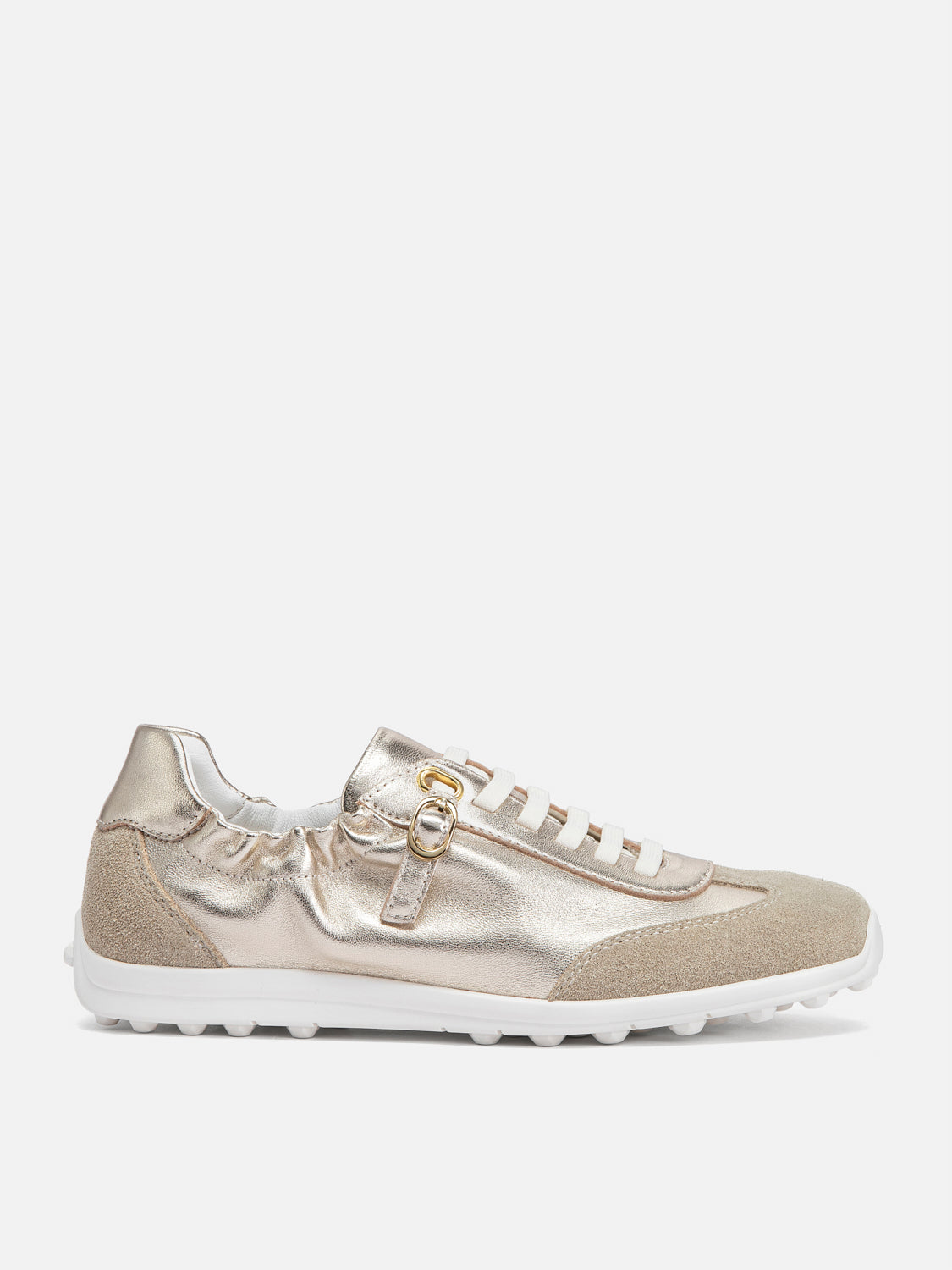
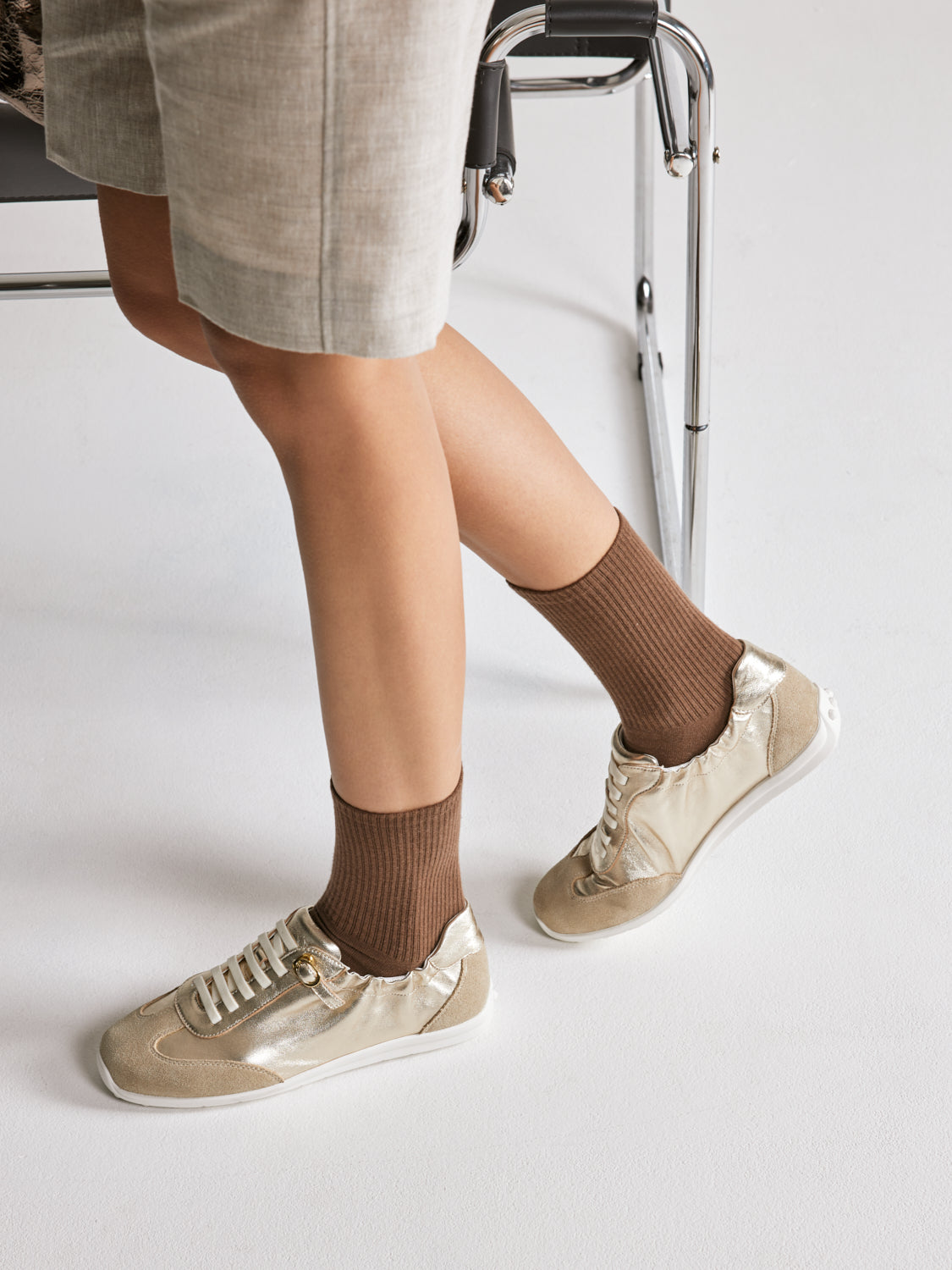
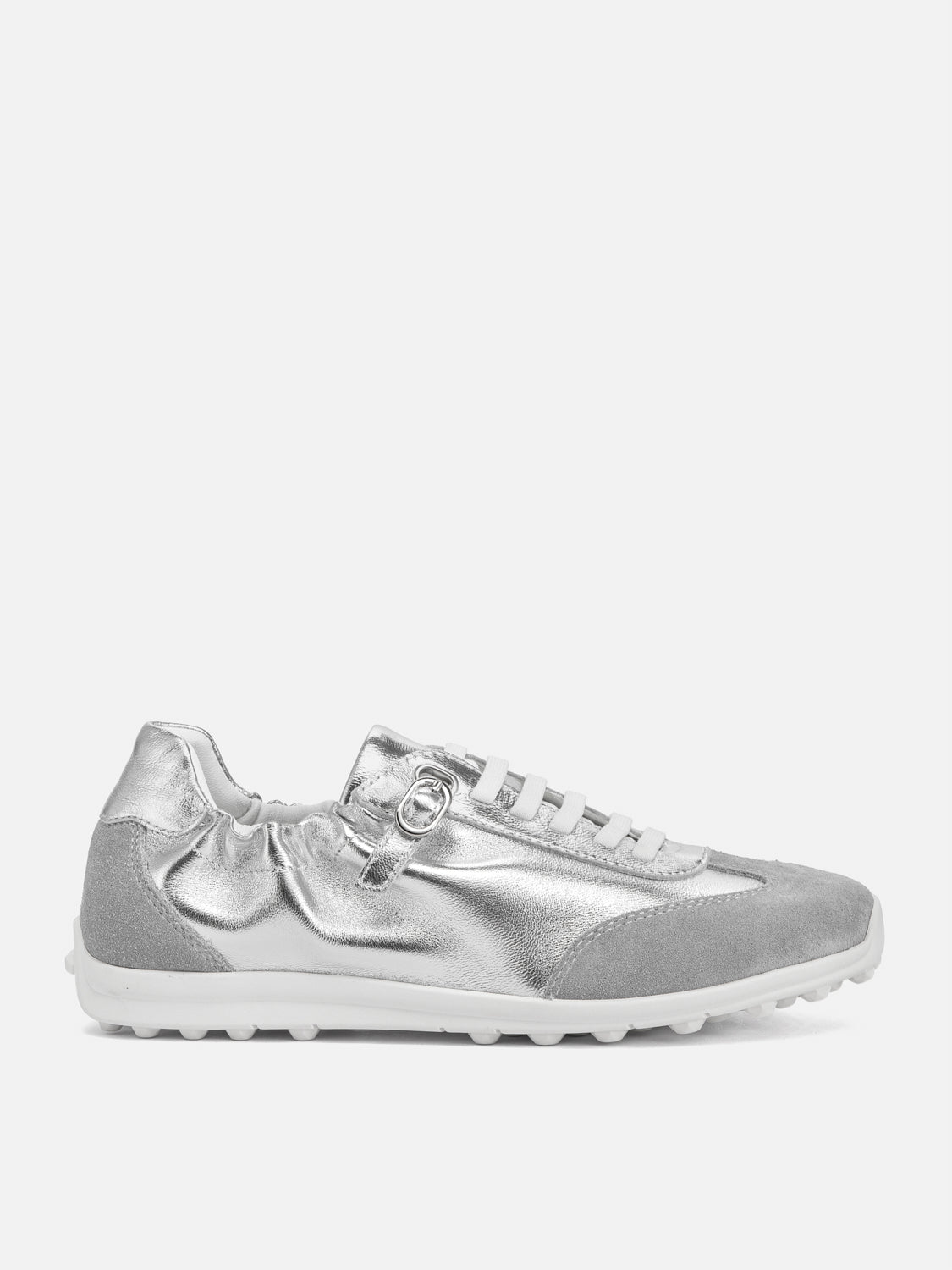
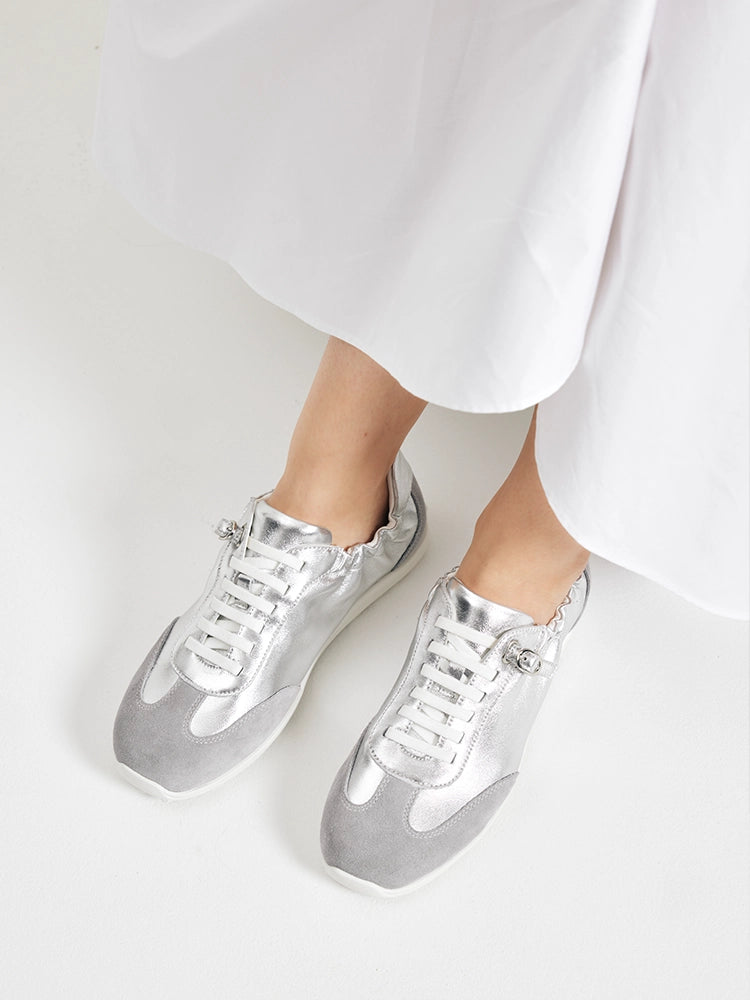
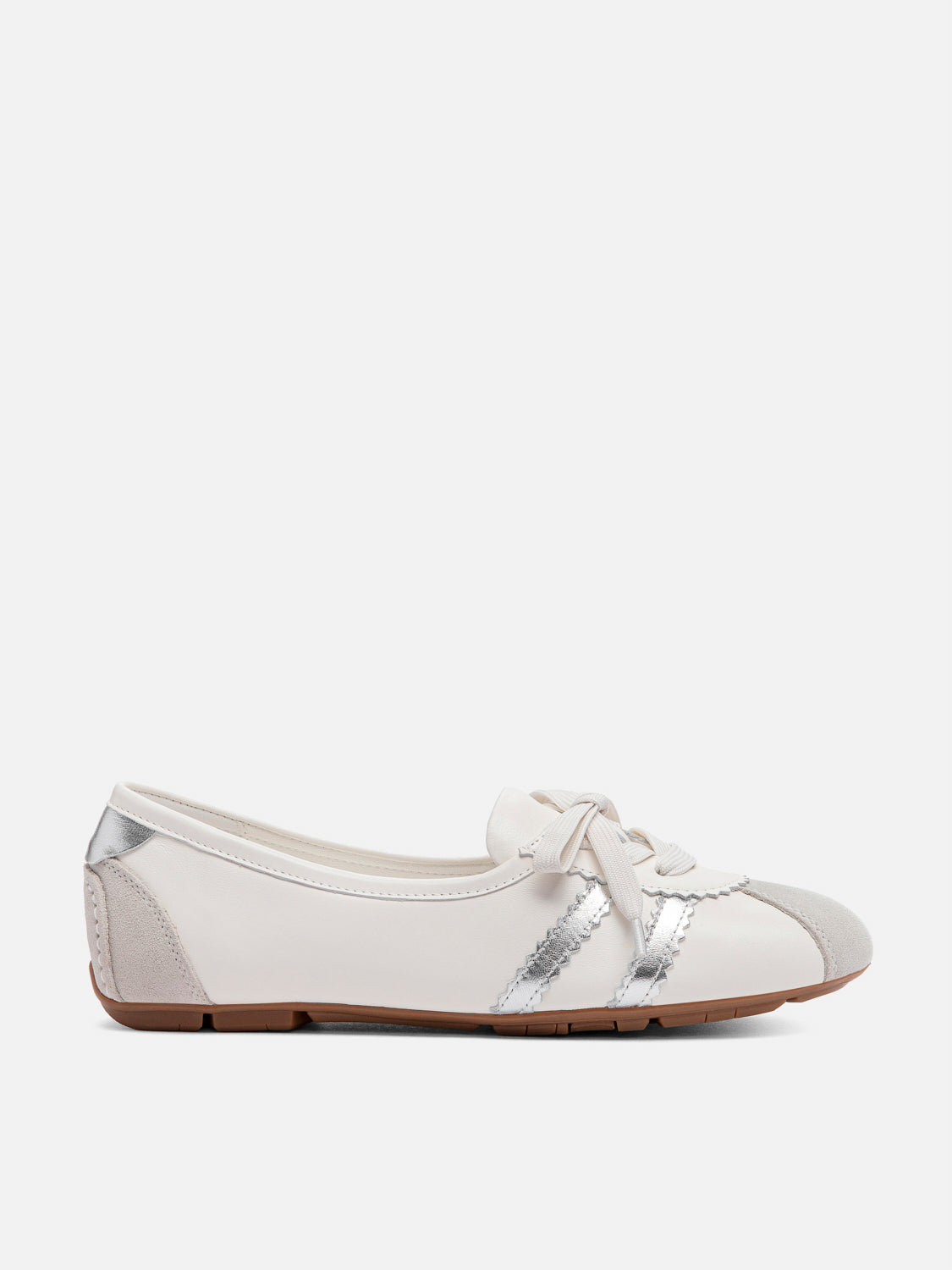
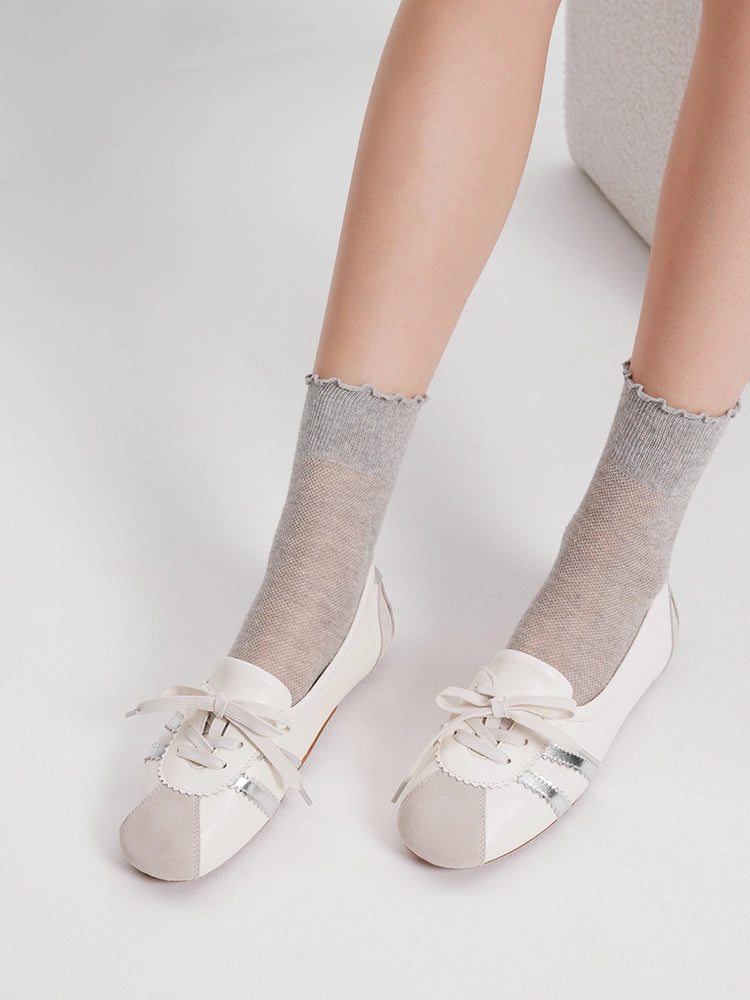
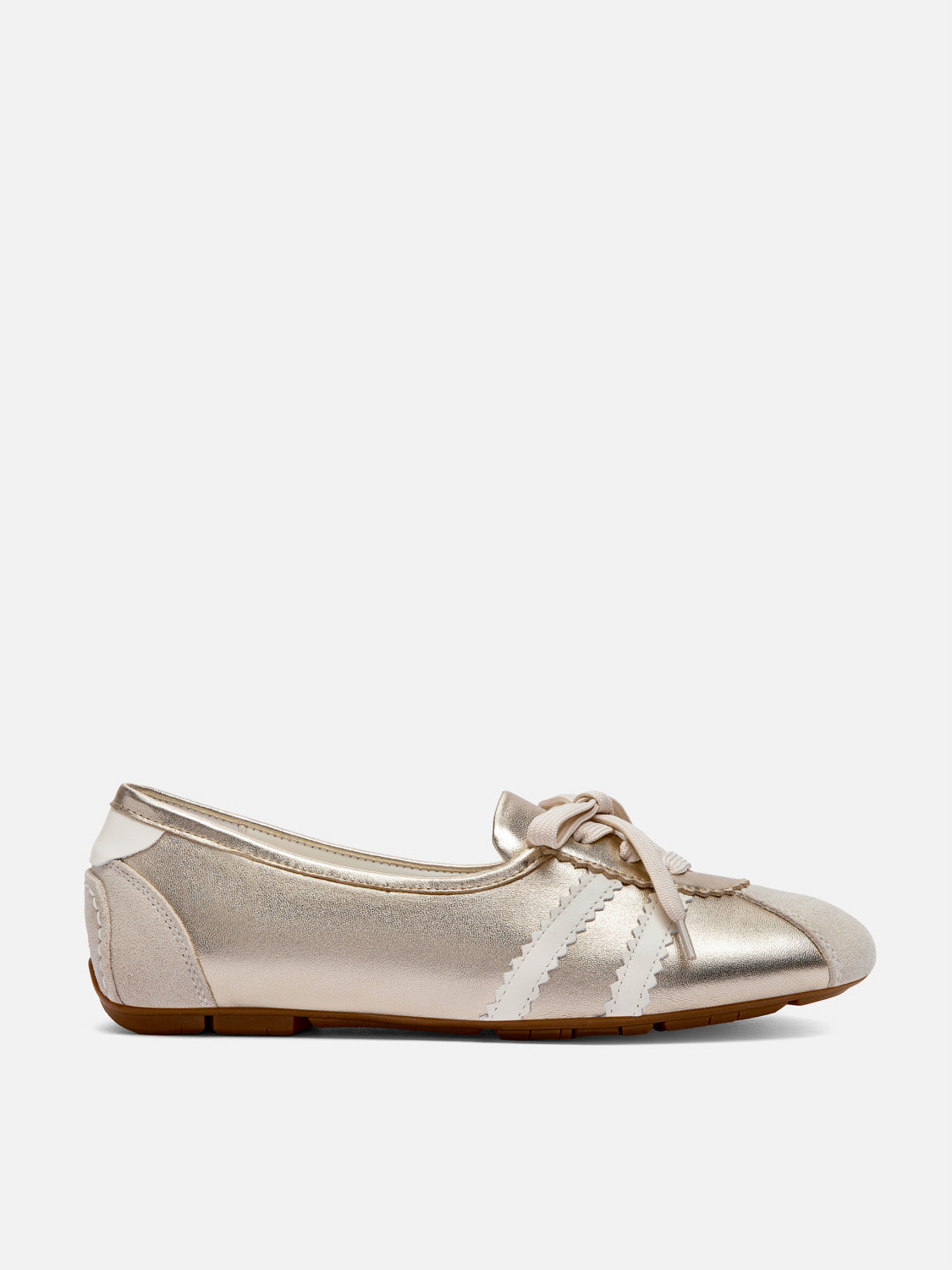
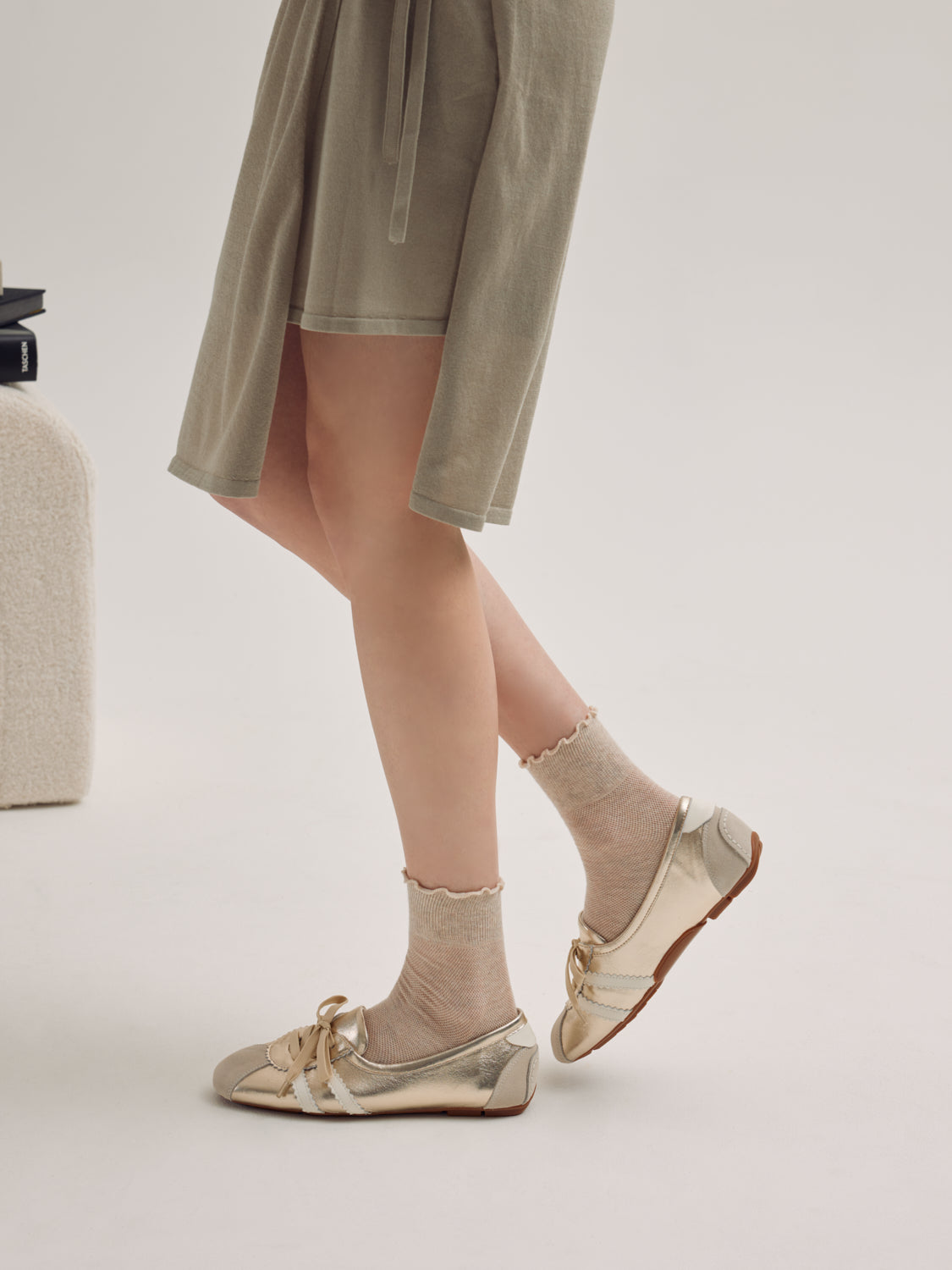
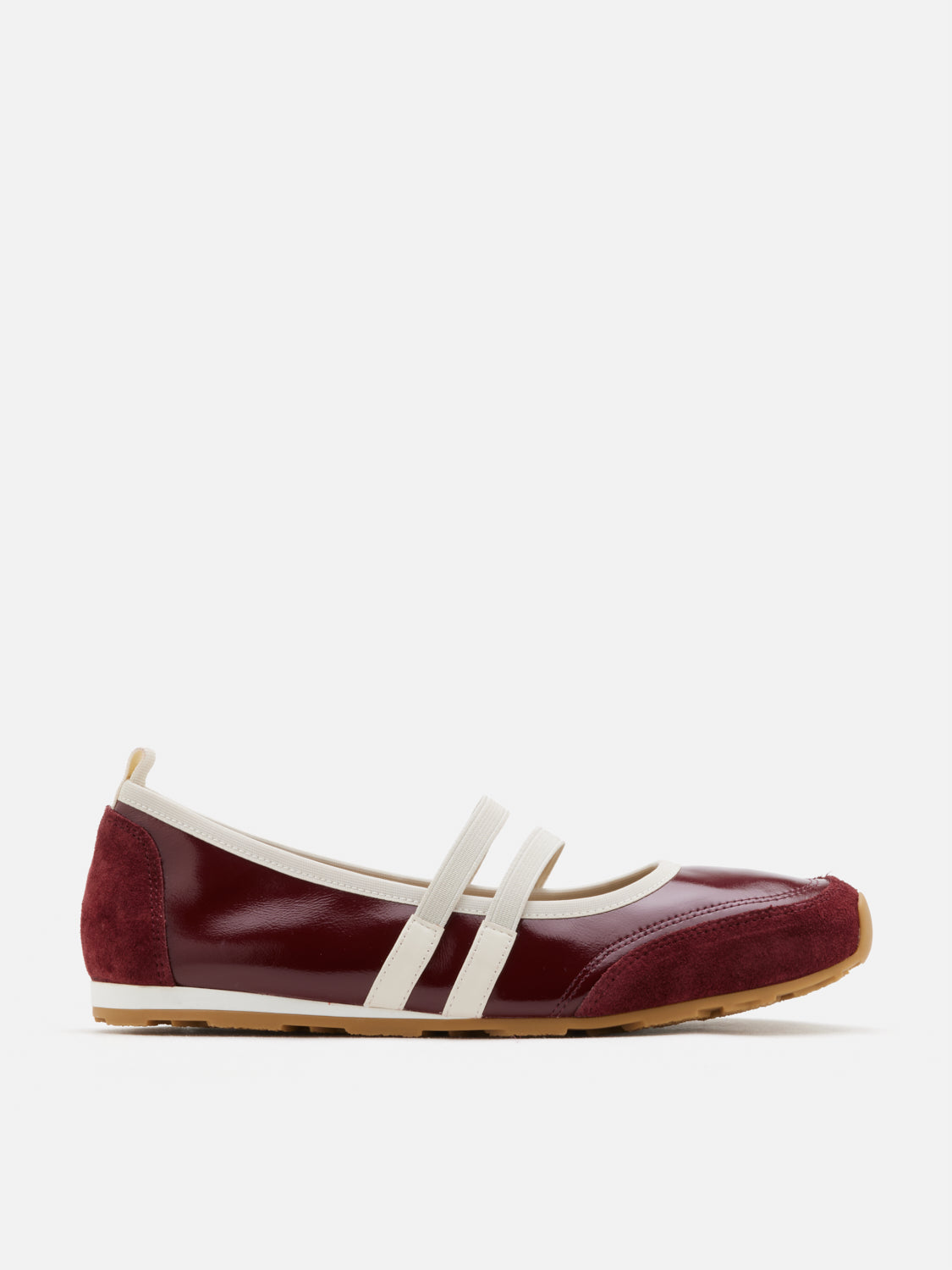
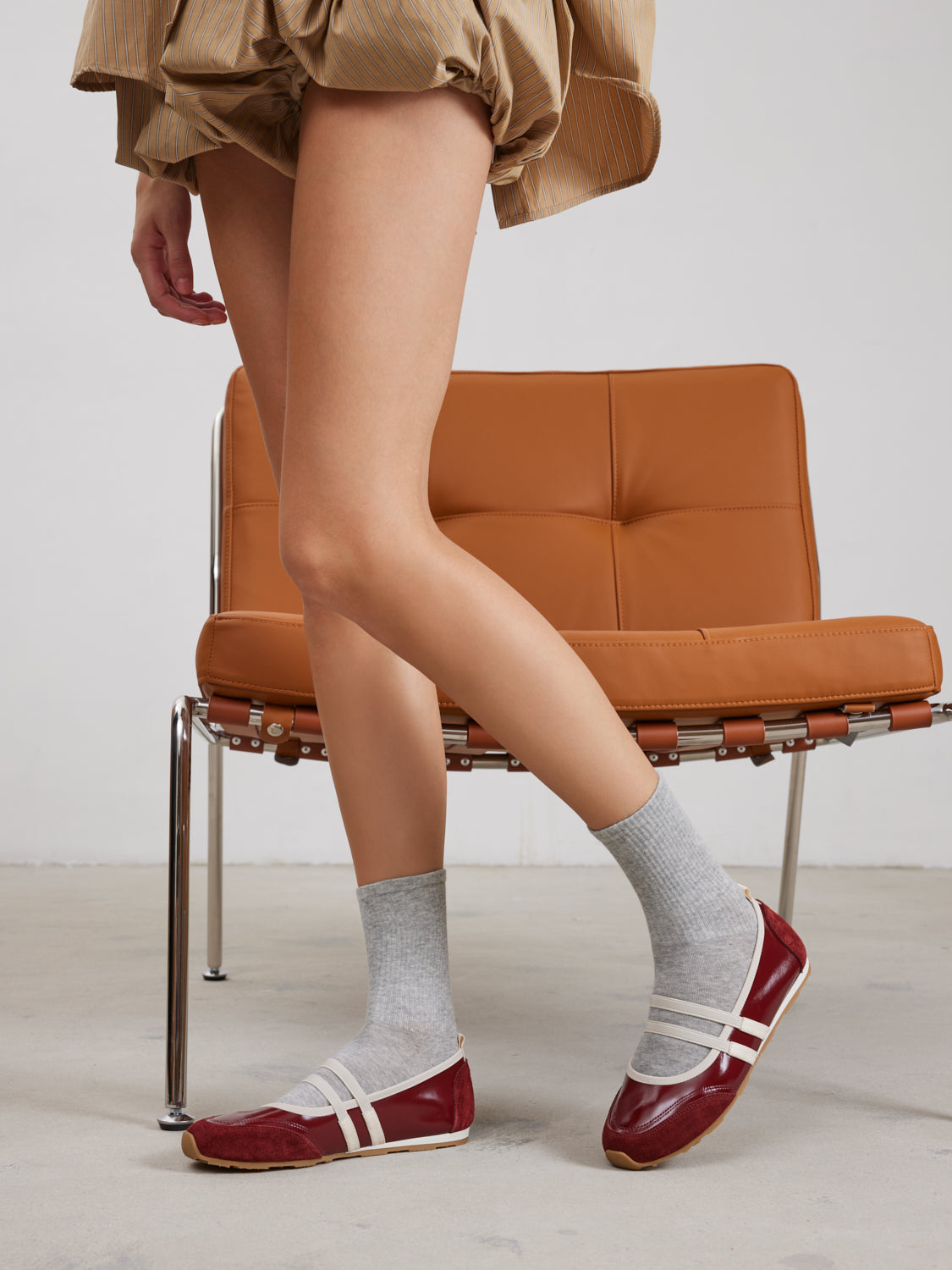
Wear: Alice Ballerina Sneakers · lambskin and cowhide suede with a lace-up closure, lambskin lining and insole, designed for effortless movement
-
Wear: Elodie Quilted Espadrilles · quilted lambskin with a soft lambskin lining and insole
Start with fit
No amount of cushioning can make up for a size that is slightly off, so start here. Measure your feet standing up: length from the tip of your longest toe to the back of your heel, and width at the widest part. Every Pazzion style lists the length and width of each size in centimetres, so compare your numbers with the chart, as fit varies between styles.
The Pazzion size guide gives a starting point for common cases. If you have longer toes, a wider forefoot or a high instep (the top of the foot), it suggests considering one size up. If your feet are narrow and you prefer a closer fit, consider one size down. Feet also tend to swell a little over a hot day, so a pair that feels exactly snug at 9am can feel tighter by mid-afternoon. A little room at the front, without the heel slipping, is the fit to aim for.
Give the toes room
The front of the shoe decides whether your toes can sit flat and spread a little as you walk. Look for enough width across the ball of the foot that the upper is not pulling in at the sides, and compare the shoe's width with your own rather than judging by the outline alone. Each toe shape gives a different amount of room, and our toe shape guide compares them.
What sits under the foot
Cushioning and arch support are two different things, and a comfortable shoe usually needs both. Cushioning is the softness you feel when you first step in. Arch support is the shaping under the middle of the foot that stops it from resting on a flat board all day. A pad that feels soft in the shop but has no shape under the arch can feel less comfortable by the afternoon than a firmer, contoured footbed (the insole and the shaping under it).
To check, press the insole with your thumb and look at its profile. It should give slightly, and it should rise gently under the arch rather than lie completely flat. Many Pazzion styles have padded or cushioned insoles, and the arch support shoes collection gathers styles with arch support, from ballet flats to heels. If you want the gentlest place to begin, the Comfort Series brings together flats, loafers and low heels made for all-day wear.
How the sole bends and grips
A sole should bend where your foot bends, at the ball of the foot, and stay supportive through the middle. Hold the shoe by the heel and toe and flex it. If it folds in half at the arch, there is little holding the foot up. If it will not bend at all, your foot has to work against it with every step.
Grip matters as much as flex in Singapore, where a polished mall floor and a wet pavement can be a few steps apart. A rubber grip, like the one on the Phoenix loafers, adds stability underfoot for a slip-on shoe.
Heel height and pitch
Height is only half of a heel. Pitch is the angle of the foot inside the shoe: the steeper it is, the more weight moves onto the ball of the foot. A low block heel of a few centimetres has a gentle pitch and a wide base, which is why low heels feel steady over a long day. The heel shape matters as much as the number, and our heels guide goes through block, stiletto and kitten in detail.
The upper, the weight and the heat
The upper is the part of the shoe that wraps over your foot, and it decides two things: whether the shoe softens to your shape, and whether it lets heat out. Natural materials like leather and suede tend to soften with wear and let air through, so a pair that feels firm on day one usually settles in after a few wears.
Weight is the quiet factor. A lighter shoe asks less of your legs over a day of walking, and in Singapore's heat and humidity it also holds less warmth against the foot. The walk from an air-conditioned office to a sunny pavement and back again is the everyday test, and a breathable lining helps with that transition.
Flats, loafers, sneakerinas or espadrilles?
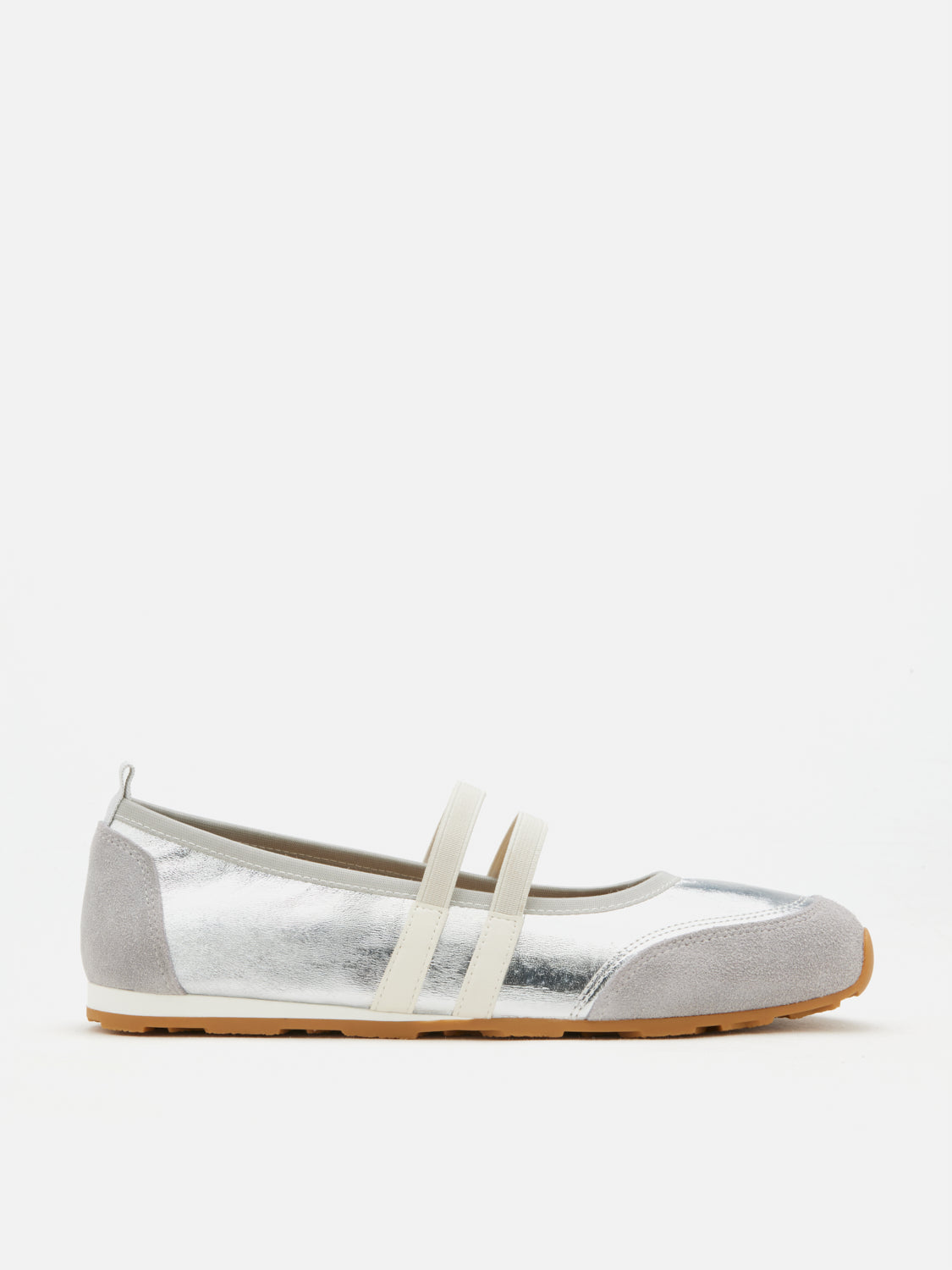
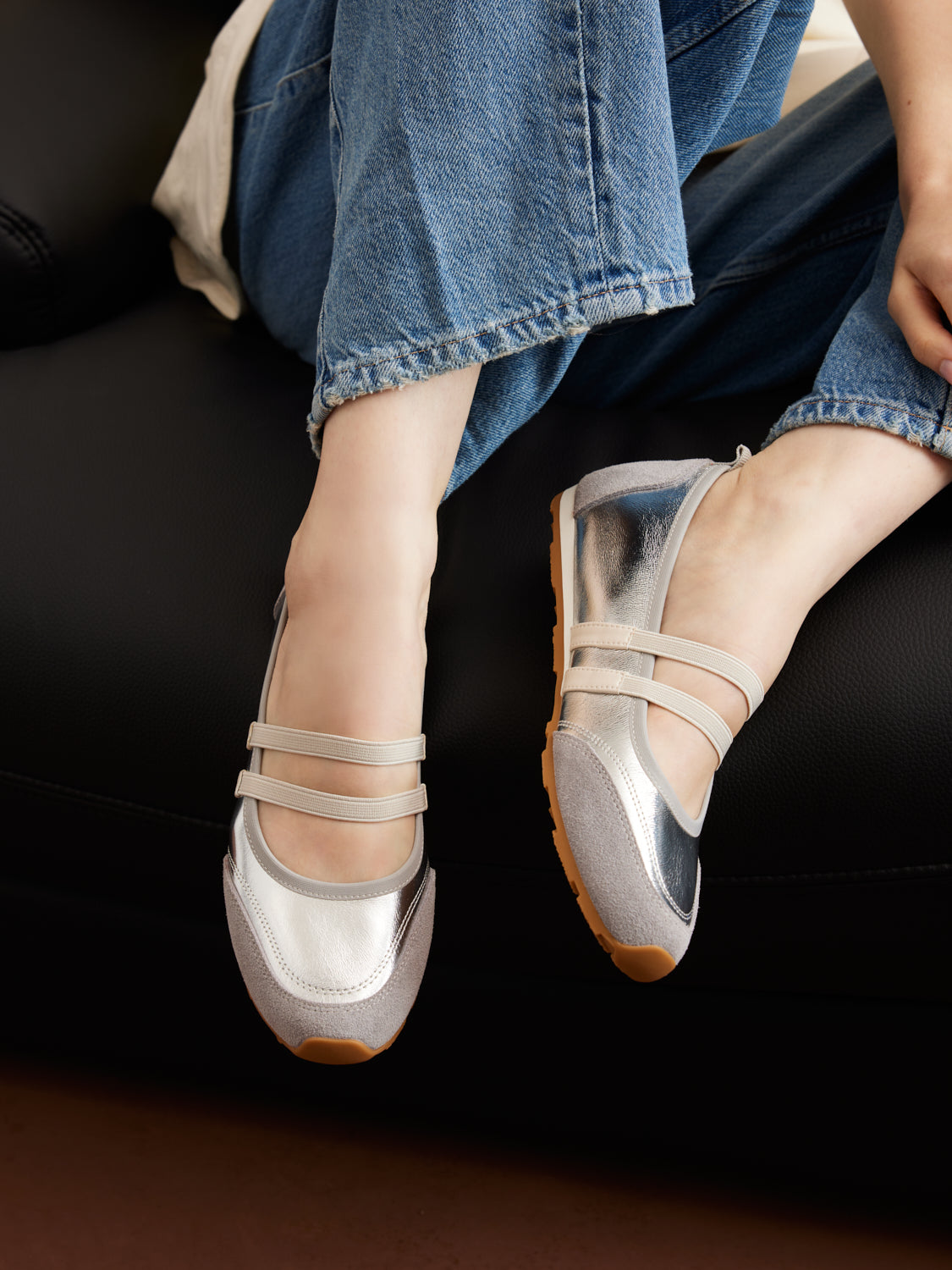
Flats are light and low-profile. The Avery flats pair a rounded toe with a lambskin lining and insole. They suit days that mix sitting, short walks and getting in and out of cars.
Loafers add a little more structure. A slip-on loafer like Phoenix holds the foot through the vamp (the top-front part of the shoe that covers the toes), and the rubber grip helps on smooth floors. For comfortable loafers, look for a secure vamp and grip underfoot. A pair like that comes into its own on long commutes and work days. Our guide to styling loafers in Singapore shows how to wear them once you have your pair.
Sneakerinas blend a ballerina's elegance with the ease of a sneaker. Alice's laces let you adjust the fit across the top of the foot, which is useful when your feet change over the day. Our Sneakerinas article explains the construction in full.
Espadrilles are the casual, easy-going choice. Elodie's quilted lambskin upper adds a soft, padded look. They suit relaxed weekends and warmer days. Our Espadrilles 101 guide covers how they wear across a full day.
When a pair feels almost right
A new pair that is nearly there usually points to one specific thing, and each has a different fix. Slipping at the heel suggests the shoe is slightly large, or that it needs a closure: a lace-up like Alice can be tightened, while a slip-on cannot. Pressure across the top of the foot or the sides of the toes suggests the pair is narrow for you, and the size guide's advice on wider forefeet and high insteps applies. Rubbing at the back of the heel often eases as a leather or suede upper softens over the first few wears. If the discomfort is sharp or does not ease, the pair is telling you it is the wrong shape for your foot, and a different size or style is the better answer than waiting it out.
A long day on your feet
Shoes for standing all day ask for a slightly different order of priorities. Put a well-sized fit and a cushioned footbed first, a stable base next, and style last. A low block heel or a flat with grip holds up better over hours than a slim heel. If you have a long day coming, wear the shoes for a few shorter outings beforehand rather than debuting them on the day.
Rotating between two pairs also helps: each pair loads your feet in a slightly different way, and gets time to air between wears.
Frequently asked questions
What is the most comfortable shoe for a woman?
It depends on the day. A flat or loafer suits a mix of sitting and walking, a sneakerina's laces give an adjustable fit for a busier day, and an espadrille suits a relaxed, warm day.
Can flats be comfortable for a full day?
Yes. Comfortable flats start with the right fit and a footbed that has some shape under the arch. A well-sized flat with a cushioned insole and a rounded or almond toe is easy to wear across a day of commuting and errands.
Find your comfortable pair
Browse the Comfort Series, Pazzion's edit of comfortable shoes for women, with flats, loafers and low heels made for all-day wear, and check your measurements against the size guide first.
Shop The Look